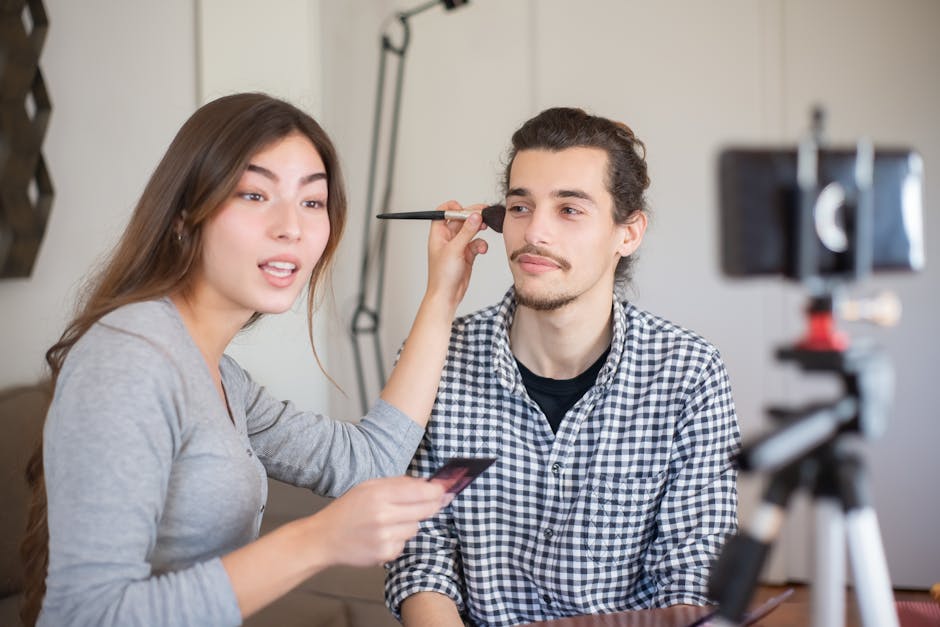
- Jools Lebron’s viral TikTok video revealed the cost of sudden fame on a private person.
- Her phrase ‘very demure, very mindful’ became a global meme, quoted by celebrities, politicians, and brands.
- The video resonated with viewers due to its relatable content of workplace anxiety and self-presentation.
- Jools’ deadpan delivery and contrast of subtle and exaggerated makeup styles added to the clip’s meme-worthiness.
- The video’s rapid spread across social media platforms spawned thousands of remixes, duets, and parodies.
In August 2024, a 24-year-old supermarket employee named Jools Lebron filmed a 42-second TikTok from her parked car during a work break. She was simply sharing her makeup routine with a small group of followers. But within 72 hours, that video had amassed over 10 million views. By the end of the week, her phrase—”very demure, very mindful”—had become a global meme, quoted by celebrities, politicians, and brands. The internet had seized on her words, but what no one asked was: what happens when a private person becomes public overnight? And at what cost does viral fame come when you’re not prepared for the spotlight?
What Made a Simple Makeup Video Go Viral?

Jools Lebron’s TikTok resonated because it distilled workplace anxiety and self-presentation into a single, ironic yet sincere phrase. Speaking directly to the camera, she contrasted her subtle, professional makeup with exaggerated styles she associated with cartoon characters like Marge, Patty, and Selma Simpson. Her deadpan delivery—”Very demure, very mindful”—became instantly quotable, a linguistic capsule of Gen Z humor that blended self-awareness, satire, and quiet rebellion against performative femininity. The clip spread rapidly across TikTok, Twitter, and Instagram, spawning thousands of remixes, duets, and parodies. Within days, major media outlets like Reuters and BBC News were analyzing the phenomenon, framing it as a cultural moment about identity, professionalism, and digital irony.
What Data and Experts Say About Viral Fame’s Psychological Toll

The speed and scale of Lebron’s viral ascent mirror patterns documented in digital psychology. According to a 2023 study published in Nature Human Behaviour, sudden online fame increases the risk of anxiety, depression, and identity fragmentation, especially when users lack media training or psychological support. Lebron’s follower count jumped from 12,000 to over 4 million in under two weeks. She later revealed in an interview with The Guardian that she began receiving hundreds of direct messages per hour—some supportive, others abusive or sexually explicit. Mental health professionals note that the lack of boundaries online can trigger trauma responses similar to public exposure without consent. Dr. Lena Chavez, a clinical psychologist specializing in digital stress, explained: “When a person’s private moment becomes public spectacle, it disrupts their sense of self-control, which is foundational to mental well-being.”
Are There Valid Criticisms of the Viral Backlash?

Not all responses to Lebron’s fame were negative, but some critics argued that the backlash reflected deeper societal tensions about class, race, and digital labor. Lebron, a Latina woman working a minimum-wage job, became a meme while wealthier influencers often gain fame through curated content and marketing teams. Some observers questioned why her offhand comment was mocked when similar phrases from celebrities went unremarked. Others defended the humor, arguing that memes are inherently reductive and not meant to be taken personally. Digital culture scholar Dr. Malik Greene noted: “The internet democratizes attention, but it doesn’t democratize dignity. When a working-class voice goes viral, it’s often stripped of context and repackaged for consumption.” Still, Lebron herself acknowledged the complexity, stating in a now-deleted post: “I get the joke. I really do. But I’m not just a soundbite.”
What Real-World Consequences Did Lebron Face?

Beyond mental strain, Lebron’s life changed in tangible ways. She was offered brand deals totaling six figures, but also faced harassment at her workplace, leading her to quit. She temporarily deactivated her TikTok account in September 2024, citing emotional exhaustion. Her image was used in unlicensed merchandise, political memes, and even corporate training videos—none of which she authorized. In January 2025, she filed a lawsuit against a major apparel brand for trademark infringement, reigniting debate about digital ownership and consent. Meanwhile, mental health advocates used her case to highlight the need for platform-based support systems for sudden fame. The World Health Organization has since cited her experience in a report on digital well-being, emphasizing that viral exposure should be treated as a public health consideration, not just a cultural trend.
What This Means For You
If you’ve ever posted online, Lebron’s story is a reminder that content can escape your control in seconds. What feels like a private joke among friends can become a global narrative shaped by strangers. Protecting your mental health in the digital age means setting boundaries, understanding platform algorithms, and recognizing when to step back. Viral moments may bring opportunity, but they can also bring invisible burdens. Think critically before sharing or mocking someone’s content—because behind every meme is a real person.
As internet culture continues to accelerate, one question remains: how can we create a digital world where virality doesn’t come at the cost of a person’s well-being? And if the next viral star is someone like Jools Lebron—a regular person with a moment of honesty—will we treat them with empathy, or just as content?
Source: The Guardian