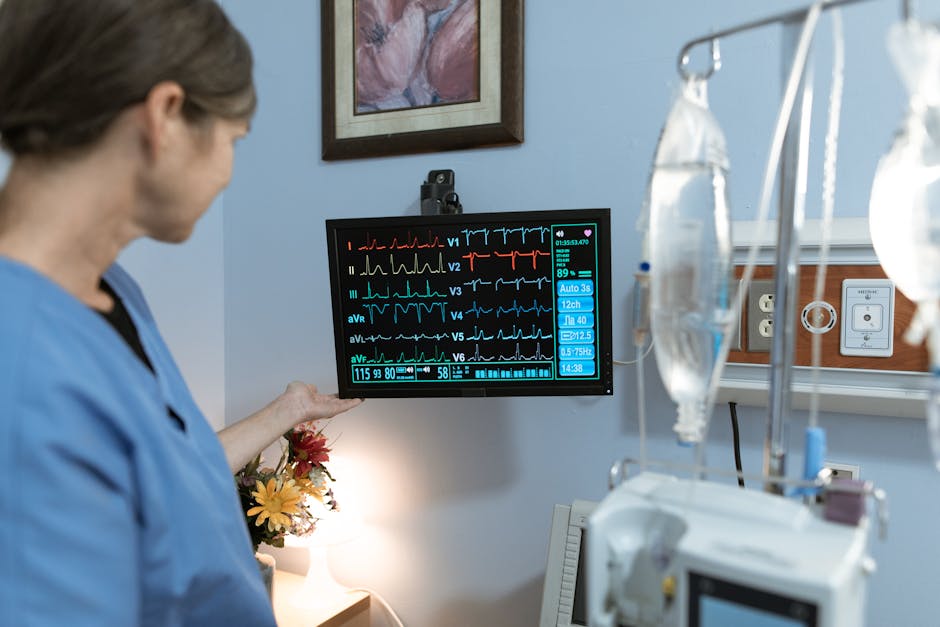
- Perimenopause is a critical window for heart disease prevention, with women twice as likely to have poor cardiovascular health during this phase.
- Changes in sleep, mood, metabolism, blood pressure, and cholesterol levels in perimenopause may be silent signals of cardiovascular strain.
- Early action during perimenopause can alter the course of a woman’s life, making it a public health inflection point.
- The decade-long perimenopause phase is a biological tipping point, affecting not just hormone levels but also overall cardiovascular health.
- Women in perimenopause are at risk of cardiovascular disease, but awareness and intervention can mitigate this risk.
In a quiet bedroom in suburban Chicago, 47-year-old Maria wakes up drenched in sweat for the third time that night, her heart pounding as if she’d just sprinted up a flight of stairs. She lies still, trying to steady her breath, wondering if this is just another hot flash or something more ominous. Across the country, thousands of women like her are navigating the murky waters of perimenopause — a physiological transition once dismissed as mere ‘hormonal changes’ but now emerging as a critical juncture for long-term health. No longer seen solely as a precursor to menopause, this decade-long phase is revealing itself as a biological tipping point, particularly for the heart. As sleep fractures and moods shift, so too do metabolic markers, blood pressure, and cholesterol levels — silent signals of a cardiovascular system under strain. What was once considered a private, passing discomfort is now recognized as a public health inflection point, where early action could alter the course of a woman’s life.
Perimenopause Doubles Risk of Poor Cardiovascular Health

Women in perimenopause are twice as likely to have a low cardiovascular health score compared to those with regular menstrual cycles, according to a comprehensive analysis of U.S. national health data published in the Journal of the American Heart Association. The study, which examined over 1,500 women aged 40 to 59, used the American Heart Association’s Life’s Essential 8 framework — a metric encompassing diet, physical activity, nicotine exposure, sleep health, body mass index, blood pressure, cholesterol, and blood glucose. Researchers found that perimenopausal women consistently scored lower across multiple categories, particularly in blood pressure regulation and metabolic health. Even after adjusting for age, socioeconomic status, and lifestyle factors, the association remained strong. The findings suggest that the hormonal fluctuations characteristic of perimenopause — especially declining estrogen levels — may directly influence cardiovascular physiology. This period, typically beginning in a woman’s 40s and lasting up to a decade, appears to accelerate vascular aging, making it a crucial target for preventive care. The study’s lead authors argue that integrating cardiovascular screening into routine perimenopausal care could help identify at-risk women before irreversible damage occurs.
The Hidden Transition: How We Got Here

For decades, cardiovascular research disproportionately focused on men, leading to a significant knowledge gap in women’s heart health. It wasn’t until the 1990s that major medical institutions began acknowledging that heart disease is the leading cause of death among women — a fact still under-recognized today. The perimenopausal transition, often dismissed as a reproductive issue, remained largely unexamined in clinical cardiology. Yet, hormonal shifts during this phase profoundly affect lipid metabolism, endothelial function, and insulin sensitivity. Estrogen, which has protective effects on blood vessels, begins to fluctuate unpredictably, contributing to increased visceral fat, arterial stiffness, and inflammation. These changes coincide with a woman’s fifth decade — a time when many are also managing career demands, caregiving responsibilities, and aging parents. The convergence of biological and social stressors creates a perfect storm. Only recently have researchers begun to treat perimenopause not as a footnote in reproductive health, but as a distinct physiological state with measurable, long-term health consequences.
The Clinicians and Scientists Reshaping the Narrative

Dr. JoAnn Manson, chief of preventive medicine at Brigham and Women’s Hospital and a leading investigator in women’s health, has spent decades advocating for better cardiovascular research in midlife women. She and colleagues at the Kronos Early Estrogen Prevention Study (KEEPS) have been instrumental in demonstrating that timing matters — initiating hormone therapy early in perimenopause may preserve vascular health, whereas starting it years after menopause could increase risk. Meanwhile, Dr. Stephanie Faubion, medical director of the North American Menopause Society, emphasizes that many clinicians still lack training in perimenopausal care. ‘We’re failing women by treating symptoms reactively instead of proactively addressing long-term health,’ she has said in multiple interviews. A growing cohort of cardiologists, endocrinologists, and primary care providers are now pushing for standardized screening protocols during this phase. Their motivation is clear: to shift the paradigm from symptom management to prevention, ensuring that women don’t ‘fall through the cracks’ during one of the most transformative periods of their lives.
Consequences for Women and the Healthcare System

The implications of these findings are far-reaching. With nearly 2 million American women entering perimenopause each year, the potential impact on public health is enormous. Left unaddressed, the cardiovascular decline seen during this phase can lead to higher rates of hypertension, type 2 diabetes, and ultimately, heart attacks and strokes. Women are more likely than men to die within a year of a heart attack, partly due to delayed diagnosis and atypical symptoms. Early intervention during perimenopause — including lifestyle counseling, lipid monitoring, and possibly tailored hormone therapy — could reduce this disparity. Moreover, integrating cardiovascular risk assessment into routine gynecological or primary care visits could improve patient engagement and outcomes. Health systems that adopt a life-course approach to women’s health stand to reduce long-term costs and improve quality of life for millions.
The Bigger Picture
This research is part of a broader reckoning in medicine: the recognition that women’s health extends far beyond reproduction. For too long, the female body has been studied through a narrow lens, with critical transitions like perimenopause treated as isolated events rather than systemic shifts. Understanding the cardiovascular implications of this phase forces a reevaluation of how we deliver care to midlife women. It also underscores the need for sex-specific research across all areas of medicine. As science begins to fill the gaps, the hope is that perimenopause will no longer be whispered about in hushed tones, but addressed with the same rigor and urgency as any other major health transition.
What comes next is a call to action — for clinicians to screen earlier, for researchers to deepen their investigations, and for women to advocate for their own health. The perimenopausal window is not just a time of change, but a unique opportunity to prevent disease before it begins. With awareness, education, and targeted care, this once-overlooked phase could become a cornerstone of lifelong cardiovascular wellness.
Source: MedicalXpress