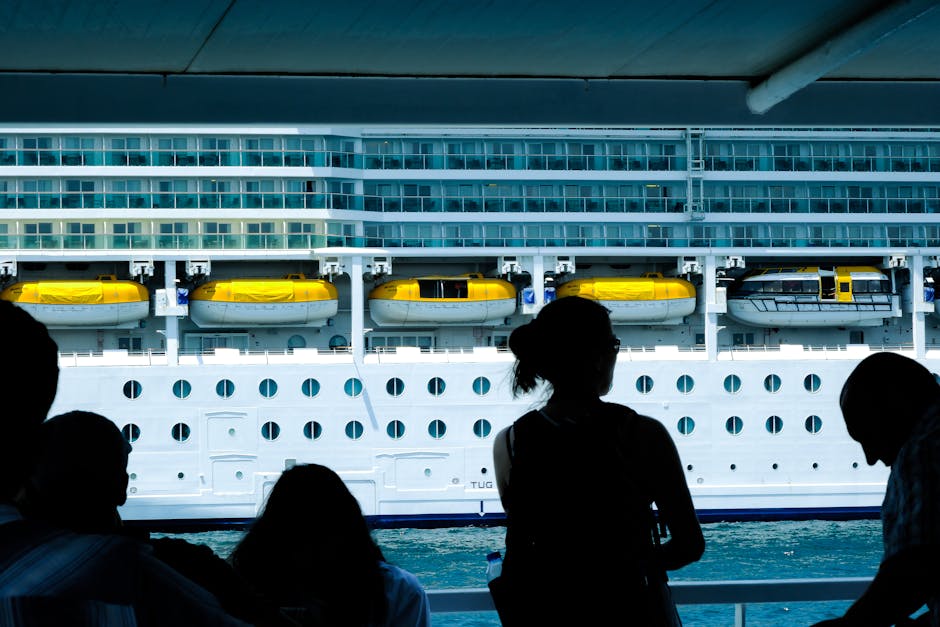
- The MV Hondius cruise ship experienced an outbreak of the Andes hantavirus, a rare and often fatal rodent-borne disease.
- The World Health Organization (WHO) confirmed human-to-human transmission of the Andes hantavirus for the first time.
- Eight individuals aboard the ship were hospitalized and tested positive for the virus.
- The Andes hantavirus is the only known hantavirus capable of spreading between people, particularly in close contact settings.
- The outbreak occurred on a cruise liner in one of the most isolated regions on Earth, highlighting the virus’s potential for global spread.
At the edge of the world, where glacial winds scythe across frozen seas and penguins scatter along ice-strewn shores, the MV Hondius cut silently through Antarctic waters—a vessel of scientific curiosity and tourist wonder. But beneath the awe of polar vistas, a quieter, deadlier current flowed through the ship’s corridors. Passengers fell ill with fevers, muscle aches, and difficulty breathing. By the time the vessel returned to Ushuaia, Argentina, eight individuals had been hospitalized, their fates entangled with a rare and lethal pathogen. The World Health Organization (WHO) would soon confirm what global health experts both feared and studied in theory: the Andes hantavirus, the only known strain capable of human-to-human transmission, had sparked an outbreak aboard a cruise liner in one of the most isolated regions on Earth.
Human-to-Human Transmission Confirmed

The World Health Organization announced Wednesday that eight individuals aboard the MV Hondius have tested positive for the Andes hantavirus, a rare and often fatal rodent-borne disease with a terrifying distinction: it is the only hantavirus proven to spread from person to person. Typically, hantaviruses infect humans through inhalation of aerosolized particles from rodent urine, droppings, or saliva—usually in rural or forested areas. The Andes virus, however, has demonstrated secondary transmission between close contacts, particularly in household or healthcare settings. While the exact mode of interpersonal spread remains under investigation, respiratory droplets and close physical contact are suspected pathways. All eight cases are linked to the same Antarctic expedition cruise, which sailed from December 20 to January 4. The ship has since been quarantined, and Argentine health authorities, in coordination with WHO, are conducting contact tracing among passengers and crew.
The Emergence of a Unique Pathogen

The Andes hantavirus, formally known as Andes virus (ANDV), belongs to the Hantaviridae family and is endemic to southern South America, particularly Argentina and Chile. First identified in the early 1990s during an outbreak in Patagonia, the virus is carried by the long-tailed pygmy rice rat (Oligoryzomys longicaudatus). Unlike other hantaviruses such as Sin Nombre in North America, which rarely transmit between humans, Andes virus has repeatedly shown clusters of secondary cases. A landmark 2007 study published in The Lancet documented human-to-human transmission during an outbreak in El Bolson, Argentina, sparking renewed interest in its epidemiological behavior. Since then, researchers have warned that confined environments—such as homes, hospitals, and now cruise ships—could amplify spread. The current outbreak aboard the MV Hondius represents the first documented instance of such transmission in a maritime expedition setting, raising concerns about biosecurity protocols in remote tourism.
The Scientists, Doctors, and Survivors

At the forefront of the response are Argentine epidemiologists from the National Administration of Laboratories and Health Institutes (ANLIS) and WHO field investigators trained in emerging pathogens. Dr. María Solé, a virologist at ANLIS, described the outbreak as “a wake-up call for expedition medicine.” The passengers included biologists, retirees, and adventure travelers—many with no prior exposure to rodent habitats. Yet the virus likely entered the ship via contaminated material, perhaps through provisioning supplies in southern Chile where the rice rat is prevalent. One theory suggests infected rodents may have boarded during a port stop, leaving viral particles in storage areas. Crew members, particularly those handling cargo or cleaning, may have been first exposed. The fact that secondary cases emerged days after departure points to incubation periods of one to three weeks, consistent with hantavirus pulmonary syndrome (HPS), the severe respiratory condition caused by the virus.
Implications for Global Health and Travel

The outbreak has immediate implications for cruise operations, polar tourism, and infectious disease surveillance. Cruise ships, long recognized as potential amplifiers of respiratory pathogens—as seen during the early days of the COVID-19 pandemic—are now under scrutiny for zoonotic risks. Unlike airborne viruses such as influenza or SARS-CoV-2, hantaviruses are less contagious but far deadlier, with case fatality rates for Andes virus reaching 36%, according to the U.S. Centers for Disease Control and Prevention. There is no approved vaccine or specific antiviral treatment. Management relies on early detection and intensive supportive care. The MV Hondius incident underscores the need for enhanced biosecurity checks on supplies, rodent control measures in embarkation zones, and rapid diagnostic capabilities in remote expedition medicine.
The Bigger Picture
This event fits into a broader pattern of spillover diseases emerging at the intersection of human activity and fragile ecosystems. As climate change alters rodent habitats and ecotourism expands into wilderness frontiers, the risk of zoonotic outbreaks increases. The Andes virus, once considered a localized threat, now reveals how globalization and adventure travel can transport pathogens into novel environments. Its human-to-human transmission capability adds urgency to surveillance and containment strategies, particularly in closed settings where medical resources are limited.
What comes next is a meticulous investigation into the source of contamination and a reevaluation of health protocols for polar expeditions. The WHO has issued interim guidelines for cruise operators in hantavirus-endemic regions, urging pre-departure education, onboard symptom monitoring, and post-travel medical follow-up. For the survivors of the MV Hondius voyage, recovery will be long. For the global health community, the message is clear: even in the most remote corners of the planet, the next outbreak is only a breath away.
Source: MedicalXpress