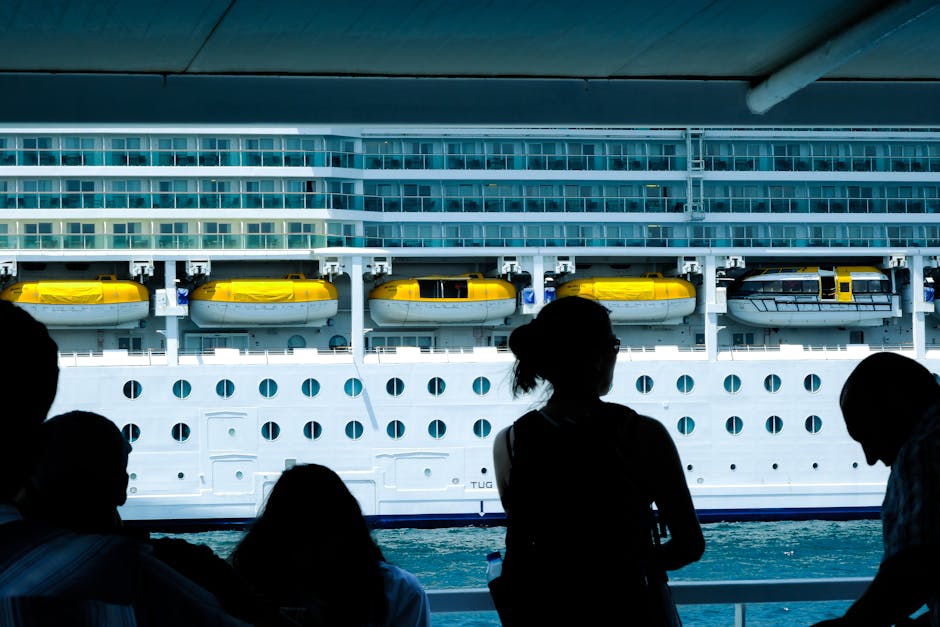
- A hantavirus outbreak has been reported on the MS Celestia cruise ship, with 12 confirmed cases linked to a recent voyage.
- Hantavirus, typically associated with rural rodent exposure, was detected in luxury cabins and buffet dinners on the ship.
- The outbreak has prompted a quarantine, hazmat suits, and frantic contact tracing, raising concerns about global health security.
- Health officials are investigating potential indirect exposure pathways, including contaminated surfaces and ventilation systems.
- Two patients are in critical condition and require mechanical ventilation, highlighting the severity of the outbreak.
It began quietly, as most outbreaks do—not with sirens, but with aches, fevers, and a growing unease among passengers aboard the MS Celestia as it cut through the North Atlantic. What started as isolated reports of flu-like symptoms soon coalesced into a pattern too consistent to ignore. By the time the ship docked in Halifax, 12 passengers had been hospitalized, three in critical condition. Lab tests confirmed a rare but dangerous culprit: hantavirus, a pathogen typically associated with rural rodent exposure, not luxury cabins and buffet dinners. The scene that unfolded—quarantines, hazmat suits on dockside, frantic contact tracing—was more reminiscent of a pandemic thriller than a routine cruise. Yet here it was, real and unfolding under the glare of global media.
The Current Outbreak: Scope and Response

As of the latest report from the Pan American Health Organization (PAHO), 12 confirmed cases of hantavirus pulmonary syndrome (HPS) have been linked to the MS Celestia’s recent voyage from Southampton to New York, with intermediate stops in Iceland and Nova Scotia. All cases are being treated in Canadian and U.S. facilities, with two patients requiring mechanical ventilation. Though hantavirus is not transmitted easily between humans, health officials are investigating potential indirect exposure pathways, particularly through contaminated surfaces or ventilation systems. The U.S. Centers for Disease Control and Prevention (CDC) has issued a health advisory for recent passengers, urging those with fever, muscle aches, or shortness of breath to seek immediate care. Meanwhile, the cruise line has voluntarily suspended the ship’s operations, and intensive decontamination procedures are underway, focusing on crew quarters and storage areas where rodent intrusion may have occurred. The CDC notes that while person-to-person transmission is exceedingly rare, environmental persistence of the virus in dried rodent excreta remains a serious concern.
How We Got Here: Hantavirus in the Modern World

Hantavirus is not new. First identified during the Korean War, it gained wider recognition in the U.S. in 1993 during an outbreak in the Four Corners region, where it was traced to the deer mouse. The virus belongs to a family of pathogens hosted by rodents, which shed it in urine, droppings, and saliva. In rural settings, infection typically occurs when people inhale aerosolized particles from disturbed nest materials. What makes the cruise ship case unusual is the setting: a tightly sealed, climate-controlled environment far from traditional hantavirus zones. Historically, cruise ships have been associated with norovirus or Legionnaires’ disease, not rodent-borne viruses. Yet global travel, shifting climate patterns, and supply chain logistics may have created new vulnerabilities. Rodents stowing away in food shipments or cargo containers could have boarded during port calls, establishing temporary harborage in poorly sealed storage areas. The World Health Organization (WHO) emphasizes that while hantavirus outbreaks remain sporadic, urban and semi-urban encroachments into wild habitats are expanding human-rodent interfaces, raising the risk of spillover events.
The People Behind the Response

The investigation is being led by an international team including epidemiologists from the CDC, Canada’s Public Health Agency (PHAC), and the European Centre for Disease Prevention and Control (ECDC). Dr. Lucy Woodham, a leading virologist at the London School of Hygiene & Tropical Medicine, has been advising public health authorities and addressing public concerns through media briefings. “People are frightened because this feels out of place,” she said in a recent interview. “We associate hantavirus with cabins in the woods, not chandeliers and room service. But viruses don’t read travel brochures.” Frontline medical staff in Halifax and Boston are also playing a critical role, managing patients under strict isolation protocols. Meanwhile, cruise industry executives face mounting pressure to review biosecurity standards. Some crew members, speaking anonymously, have expressed concern about inconsistent pest control inspections across international ports, highlighting gaps in global regulatory oversight.
Consequences for Travel and Public Health

The immediate impact of the outbreak extends beyond the infected individuals. The cruise line faces potential litigation, reputational damage, and increased scrutiny from maritime health regulators. More broadly, the incident underscores the fragility of disease containment in high-density travel environments. Unlike airborne viruses such as influenza or SARS-CoV-2, hantavirus does not spread through casual contact, but its high fatality rate—approaching 40% in some strains—demands extreme caution. Public health experts warn that complacency in sanitation and rodent control could lead to future incidents. Insurance providers may begin reassessing risk models for cruise operators, while travelers could see new health screening protocols implemented. For public health agencies, the event serves as a reminder that emerging infectious diseases are not confined to tropical forests or remote villages—they can emerge anywhere global supply chains and human mobility intersect.
The Bigger Picture
This outbreak is a microcosm of a larger trend: the globalization of zoonotic risk. As human activity expands into previously undisturbed ecosystems and global trade networks grow more complex, the chances of pathogens jumping species and locations increase. Hantavirus on a cruise ship is not just a medical anomaly—it’s a signal. It reflects how interconnected our world has become, and how quickly a localized threat can gain international visibility. Climate change, deforestation, and urban sprawl are altering rodent migration and behavior, potentially bringing hantavirus and similar diseases into new regions. The cruise ship incident may be isolated, but it mirrors broader vulnerabilities in how we manage health across borders and industries.
What comes next will depend on coordination. Improved surveillance, standardized biosecurity measures across international shipping and tourism, and better public education about rodent-borne diseases are essential. While the risk to the general public remains low, this event should serve as a wake-up call. The next outbreak may not be on a ship—it could be in a warehouse, a hotel, or a port city. But with stronger systems in place, we may just catch it in time.
Source: BBC