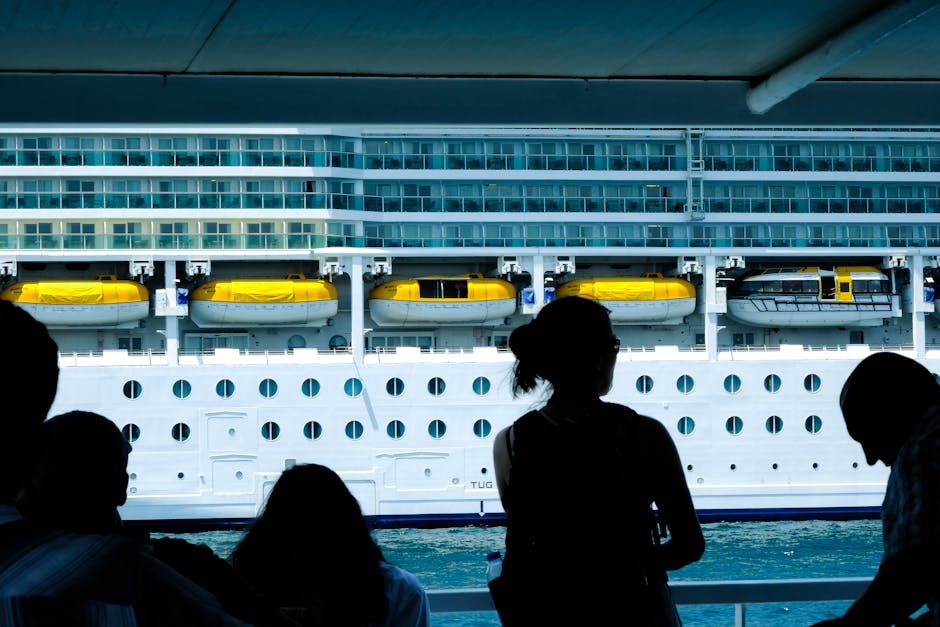
- A suspected norovirus outbreak on a French cruise ship has led to the quarantine of over 1,700 passengers and crew.
- The rapid spread of the virus in the ship’s enclosed environment has raised concerns about hygiene protocols and response systems.
- Norovirus is rarely fatal in healthy individuals, but underlying health conditions can increase the risk of severe illness or death.
- The GII.4 Sydney strain of norovirus was identified in the outbreak, a common variant associated with global outbreaks since 2012.
- High-density, closed settings like cruise ships are vulnerable to infectious disease outbreaks, highlighting the need for effective containment measures.
French public health officials have placed more than 1,700 passengers and crew under medical confinement aboard a cruise ship docked in Marseille following a suspected norovirus-related death. Initial reports indicate that the outbreak began with a cluster of gastrointestinal illnesses, which rapidly spread in the vessel’s enclosed environment. While norovirus is rarely fatal in healthy individuals, the case has raised alarms due to the patient’s underlying health conditions and the speed of transmission. This incident underscores the persistent risks of infectious disease outbreaks in high-density, closed settings such as cruise ships, where hygiene protocols and rapid response systems are critical to containment.
Confirmed Cases and Transmission Rates

According to data released by France’s Regional Health Agency (ARS), at least 320 individuals aboard the MS Bleu de Marseille have reported symptoms consistent with norovirus, including severe vomiting, diarrhea, and dehydration. Testing confirmed the presence of the virus in 47 stool samples, with genomic sequencing identifying the GII.4 Sydney strain—the most common variant associated with global outbreaks since 2012. The ship’s confined spaces, shared dining areas, and communal restrooms have likely accelerated transmission, with an estimated secondary attack rate of 18% among passengers and 22% among crew. The suspected fatality involved a 78-year-old passenger with a history of cardiovascular disease, though official confirmation of the cause of death is pending toxicology and virology reports. The World Health Organization (WHO) notes that norovirus infects 685 million people annually, causing over 200,000 deaths, primarily in vulnerable populations..
Key Actors: Health Agencies and Cruise Operator

The response has been led by French health authorities in coordination with the European Centre for Disease Prevention and Control (ECDC) and the cruise line, Oceanic Voyages SA. The company has activated its Infectious Disease Response Protocol, halting all disembarkation and limiting internal movement. Medical teams onboard are administering oral rehydration therapy and isolating symptomatic individuals in designated cabins. Meanwhile, Marseille’s hospitals have been placed on alert to receive severe cases if needed, though no transfers have occurred. The French Ministry of Health has dispatched a rapid intervention unit to conduct contact tracing and environmental swabbing of high-touch surfaces. Oceanic Voyages has suspended its entire fleet for enhanced sanitation checks, affecting over 12,000 future passengers. The company faces potential regulatory scrutiny, particularly regarding its pre-boarding health screening procedures, which did not include norovirus testing—a standard not currently mandated by international maritime health guidelines.
Trade-Offs Between Public Safety and Economic Impact

The confinement presents a complex balance between public health safety and economic consequences. While isolation prevents further community spread, it disrupts travel plans, strains onboard resources, and incurs significant costs for the cruise operator. Each day of delay costs Oceanic Voyages an estimated €500,000 in lost revenue and logistical expenses. Passengers face psychological stress, limited medical care, and uncertainty about repatriation. On the other hand, swift containment could prevent regional transmission, particularly as Marseille serves as a major Mediterranean port with frequent international connections. Past outbreaks, such as the 2019 norovirus incident on a Royal Caribbean vessel that infected 450, resulted in long-term brand damage and litigation. Health experts argue that investing in advanced air filtration, real-time syndromic surveillance, and rapid diagnostic kits could mitigate future risks, though such upgrades may raise ticket prices and operational complexity.
Timing and Seasonal Disease Patterns

The outbreak coincides with the peak norovirus season in temperate regions, which typically runs from October to April. Cold weather drives people indoors, increasing person-to-person transmission, while travel holidays amplify mobility risks. This incident follows a broader resurgence in gastrointestinal infections post-pandemic, as reduced population immunity from limited exposure during 2020–2022 has left many more susceptible. According to the ECDC, norovirus detections in Europe are 34% higher this season compared to the 2019 baseline. The timing also highlights gaps in international maritime health regulations, which have not been substantially updated since the International Health Regulations (IHR) 2005. With over 30 million cruise passengers globally in 2023—a return to pre-pandemic levels—the frequency of such outbreaks may increase without stronger preventive frameworks.
Where We Go From Here
In the next 6 to 12 months, three scenarios could unfold. First, improved onboard surveillance and rapid testing could lead to earlier detection and shorter quarantines, minimizing disruption. Second, if outbreaks persist, governments may impose mandatory health checks for cruise travelers, similar to aviation protocols during the pandemic. Third, public confidence could wane, leading to decreased bookings and financial strain on the industry, prompting consolidation or innovation in health-safe travel. The outcome will depend on cooperation between cruise operators, public health agencies, and international regulators. Lessons from this event may catalyze the development of a global maritime health standard, integrating real-time data sharing and unified response protocols.
Bottom line — this outbreak reveals the fragility of disease control in confined travel environments and demands a coordinated, evidence-based overhaul of health safeguards in the global cruise industry.
Source: Verity