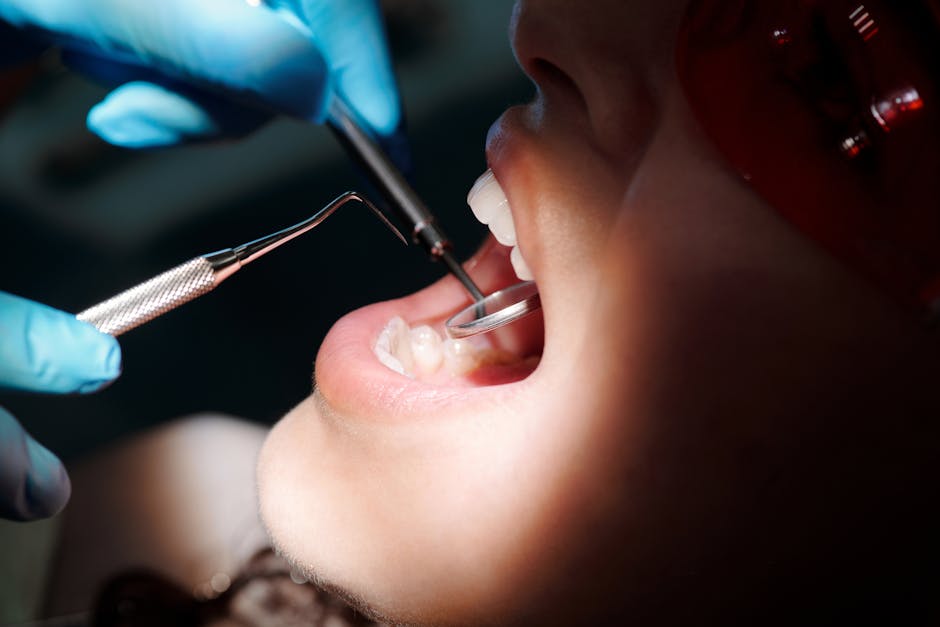
- Over 12,000 patients of a Sydney dental clinic are being warned of potential HIV and hepatitis exposure due to infection control breaches.
- The breaches include reused single-use instruments, inadequate sterilization, and improper handling of contaminated materials.
- No confirmed transmissions have been reported, but patients are being urged to undergo immediate testing for bloodborne viruses.
- The incident highlights the importance of adherence to infection control standards in healthcare settings.
- Australia’s reliance on self-audits and periodic inspections leaves room for lapses in infection control practices.
In a rare and alarming public health alert, more than 12,000 patients of a Sydney dental clinic are being urged to undergo immediate testing for bloodborne viruses, including HIV, hepatitis B, and hepatitis C. The warning, issued by New South Wales Health, follows an investigation that uncovered serious deficiencies in infection control practices at the Nowra-based dental practice. Officials have identified lapses such as the reuse of single-use instruments, inadequate sterilization of equipment, and improper handling of contaminated materials—breaches that could have allowed pathogens to spread between patients. While no confirmed transmissions have been reported to date, the potential exposure has triggered one of the largest patient notification campaigns in Australia’s recent medical history, underscoring the critical importance of adherence to infection control standards in healthcare settings.
Why This Breach Raises National Concern

The Nowra dental clinic incident has reignited scrutiny over compliance with national infection control guidelines in private healthcare facilities. Although Australia maintains rigorous standards for clinical hygiene, enforcement relies heavily on self-audits and periodic inspections, leaving room for lapses—especially in understaffed or overburdened clinics. The warning affects patients treated between 2015 and 2023, a nearly decade-long window that amplifies the challenge of tracking and notifying individuals. Public health experts stress that breaches of this nature are exceptionally rare, but when they occur, the consequences can be severe. Bloodborne pathogens like HIV and hepatitis C can remain asymptomatic for years, meaning infections may go undetected without proactive screening. This incident highlights vulnerabilities in oversight mechanisms and raises questions about whether current regulatory frameworks are sufficient to prevent patient harm in outpatient medical environments.
What Happened at the Nowra Clinic

The dental practice, operated by a single dentist in the South Coast town of Nowra, was investigated after a routine audit revealed multiple deviations from the National Health and Medical Research Council’s Infection Prevention and Control Guidelines. Inspectors found that instruments designated for single use had been reused, sterilization logs were incomplete or falsified, and autoclaves—devices used to sterilize equipment—were not functioning properly. In some cases, dental tools were cleaned with chemical wipes instead of undergoing high-temperature sterilization, a practice that fails to eliminate resilient viruses like hepatitis B. The clinic had also failed to implement proper staff training protocols, increasing the likelihood of cross-contamination. The dentist, whose identity has not been disclosed, is no longer practicing, and the facility has been shuttered pending further investigation by the Dental Board of Australia.
Analysis: How Infection Control Failures Occur

Experts point to systemic pressures as contributing factors in such lapses. Dental practices, particularly in rural or regional areas, often face staffing shortages, financial constraints, and limited access to training and equipment. These conditions can lead to corner-cutting, even among well-intentioned providers. A 2021 study published in Infection Control & Hospital Epidemiology found that non-compliance with sterilization protocols occurred in nearly 15% of small private clinics surveyed across Australia and New Zealand. In the Nowra case, investigators suspect that inadequate oversight and a lack of third-party audits allowed the issues to persist for years. Moreover, the dental profession’s traditionally autonomous culture may discourage external scrutiny. Without mandatory, unannounced inspections and real-time monitoring systems, such breaches may remain undetected until patient harm occurs—or is narrowly avoided.
Who Is Affected and What They Should Do

The affected patients, treated over an eight-year period, are being contacted via letter and public announcements urging them to seek free blood testing through NSW Health services. Testing is available regardless of symptoms, and counseling is being offered to address anxiety and uncertainty. While the risk of actual transmission remains low—estimated by health officials at less than 0.1% for HIV and slightly higher for hepatitis C—the psychological impact is significant. Many patients report distress over delayed diagnoses, potential stigma, and the disruption to their lives. Vulnerable populations, including the elderly and immunocompromised, face heightened risks if infections are confirmed. The incident also affects trust in the broader healthcare system, particularly in regional areas where access to care is already limited. Restoring confidence will require transparent communication, ongoing monitoring, and systemic reforms.
Expert Perspectives
Public health specialists are divided on how best to prevent future incidents. Dr. Jane Collins, an epidemiologist at the University of Sydney, argues for mandatory accreditation and unannounced audits of all private clinics. “We can’t rely on self-regulation when patient safety is at stake,” she said in a recent interview. In contrast, Dr. Mark Fenwick, representing the Australian Dental Association, emphasizes education over enforcement, stating that “punitive measures may drive non-compliance underground.” He advocates for better support systems, including subsidized sterilization equipment and continuing education. Both agree, however, that early detection through routine audits is essential to prevent patient exposure.
Looking ahead, authorities are reviewing national dental safety protocols, with recommendations expected by late 2024. Key questions remain: How many other clinics may be operating under similar conditions? And can a balance be struck between regulatory rigor and clinical autonomy? As thousands await test results, the Nowra case serves as a stark reminder that in healthcare, even minor lapses can have life-altering consequences.
Source: BBC