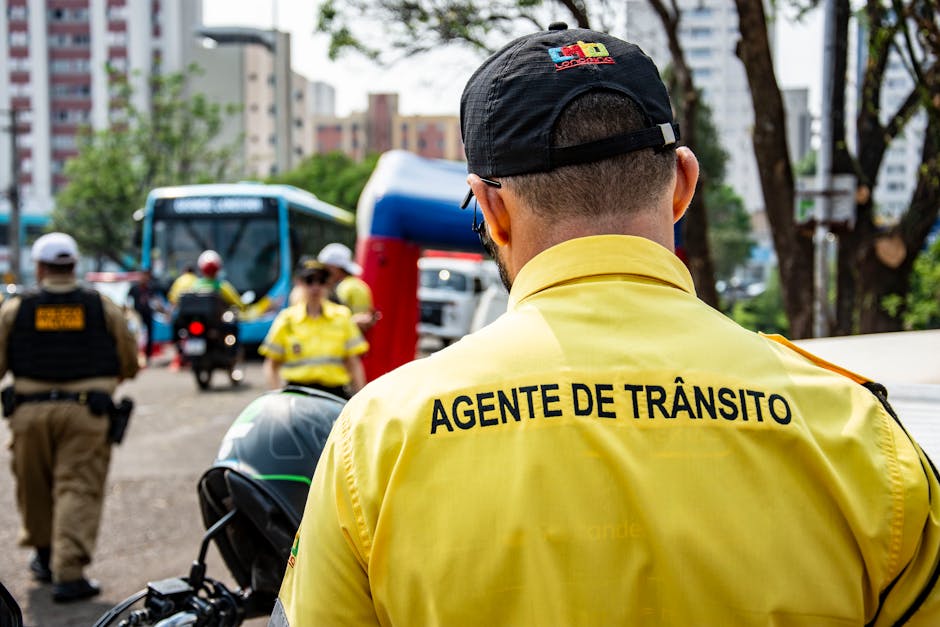
- US involvement in Mexico’s drug war has escalated with CIA conducting covert, lethal operations targeting high-level cartel figures.
- These operations involve drone surveillance, targeted neutralizations, and sabotage, indicating a shift in US strategy.
- The CIA has reportedly carried out at least a dozen covert operations in Mexico since 2022, targeting Sinaloa and CJNG cartels.
- US support for anti-narcotics efforts has historically been limited to intelligence sharing and training, but direct intervention is now being considered.
- The increased US involvement in Mexico’s drug war may redefine US-Mexico relations and the broader war on drugs.
Is the United States now conducting a shadow war inside Mexico? That’s the question reverberating across diplomatic channels and security circles after reports emerged that the CIA has carried out a series of covert, lethal operations targeting high-level cartel figures on Mexican soil. While the U.S. has long supported anti-narcotics efforts through intelligence sharing and training, direct intervention—especially involving armed action—has historically been off-limits to respect sovereignty. But as fentanyl floods American streets and cartel power grows unchecked, Washington appears to be rewriting the rules. These clandestine missions, some involving drone surveillance and targeted neutralizations, suggest a dramatic shift in strategy, one that could redefine U.S.-Mexico relations and the broader war on drugs.
\n\n
What Are the CIA’s Secret Operations in Mexico?

\n
The Central Intelligence Agency has reportedly conducted at least a dozen covert operations inside Mexico since 2022, targeting leadership figures in the Sinaloa and Jalisco New Generation (CJNG) cartels, according to classified intelligence documents reviewed by Reuters. These missions, often carried out in collaboration with elite U.S. special forces and local informants, include surveillance, sabotage, and in several cases, direct kinetic action resulting in cartel operatives’ deaths. Unlike traditional intelligence gathering, these operations involve direct intervention—sometimes without prior notification to Mexican authorities. While the U.S. government officially denies conducting lethal operations abroad without host-nation consent, sources within the intelligence community confirm that the Biden administration has authorized certain actions under a revised interpretation of self-defense, citing the national security threat posed by fentanyl. The operations are framed as targeting transnational criminal organizations that threaten American lives, but they tread a fine line between cooperation and overreach.
\n\n
What Evidence Supports the Escalation?

\n
Multiple sources, including former intelligence officials and defense analysts, confirm the uptick in CIA activity. In 2023, satellite data analyzed by the Defense Intelligence Agency showed increased drone flights along the U.S.-Mexico border, with some penetrating deep into Mexican territory. One operation in Sonora, detailed in a declassified memo, led to the destruction of a fentanyl processing lab using precision-guided munitions—likely delivered by drone. Mexican military officials initially attributed the explosion to inter-cartel violence, but U.S. intelligence logs later linked it to a covert strike. The BBC reported that Mexican President Andrés Manuel López Obrador was briefed on several incidents only after they occurred, sparking internal debates over sovereignty. Additionally, leaked communications from cartel cells mention “gringo hunters” operating in remote zones, suggesting awareness of foreign operatives on the ground. These developments point to a significant, if undeclared, expansion of U.S. paramilitary engagement in Mexico’s internal security landscape.
\n\n
What Are the Counterarguments and Risks?

\n
Not all experts agree that covert intervention is the right path. Critics argue that unilateral U.S. actions could destabilize Mexico’s fragile security framework and erode trust between allies. Laura Velázquez, a security analyst at ITAM in Mexico City, warns that “these operations risk turning Mexico into a battlefield for American interests without Mexican consent.” She notes that past interventions, such as the controversial DEA-led raids in the 1990s, often led to backlash and corruption scandals. Moreover, some Mexican officials view the CIA’s actions as a violation of international law and national sovereignty. In September 2023, Mexico’s Foreign Ministry issued a formal protest over unauthorized drone incursions, though it stopped short of naming the U.S. There’s also concern that eliminating cartel leaders may worsen violence by triggering power struggles—exactly what happened after the capture of Joaquín “El Chapo” Guzmán. Without a coordinated strategy, covert strikes could create chaos rather than order.
\n\n
What Is the Real-World Impact of These Missions?

\n
The consequences are already unfolding. In Chihuahua, a suspected CIA-led raid in early 2023 led to the death of a mid-level cartel enforcer, which triggered retaliatory attacks on local police, leaving six officers dead. Families of victims have since filed legal complaints, demanding transparency from both governments. Meanwhile, fentanyl seizures at U.S. ports of entry have slightly declined, but the drug remains widely available, suggesting that supply chains are adapting faster than enforcement can disrupt them. On the diplomatic front, Mexico has quietly restricted access for U.S. intelligence personnel and paused joint surveillance programs. Yet paradoxically, some Mexican security forces privately welcome the help, acknowledging that cartel firepower often exceeds their capacity. The situation reflects a tense duality: public condemnation versus private reliance on American intervention.
\n\n
What This Means For You
\n
If you’re an American concerned about the opioid crisis, these operations reflect a high-stakes attempt to cut off fentanyl at its source. But they also carry hidden costs—risks of blowback, diplomatic friction, and unintended violence. For Mexican citizens, the presence of foreign operatives raises alarms about sovereignty and civilian safety. The broader takeaway is that the war on drugs is evolving into a hybrid conflict, blending intelligence, military tactics, and transnational law enforcement in legally ambiguous ways. As these operations expand, accountability and oversight become more critical than ever.
\n\n
Yet one question remains unanswered: How long can the U.S. justify secret wars on allied soil in the name of domestic security? As cartels grow more sophisticated and political resistance mounts, the sustainability of this covert campaign will face growing scrutiny—both in Congress and across the border.
Source: Edition