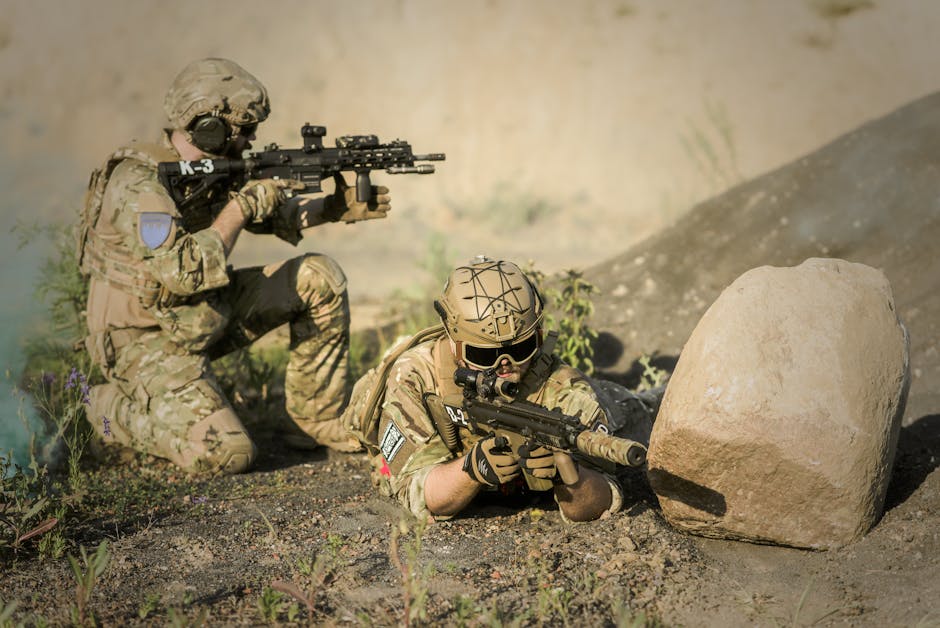
- Belarus has announced plans to mobilize military units, citing external threats from NATO and the Ukraine conflict.
- The move is seen as a significant escalation, potentially impacting regional stability and global security.
- Belarusian President Alexander Lukashenko has emphasized the need to defend national sovereignty and security.
- The country has begun mobilizing up to 100,000 troops, according to data from the Belarusian Ministry of Defense.
- Regional tensions are escalating, with neighboring countries and the West expressing concern over Belarus’s military intentions.
As tensions rise in Eastern Europe, a pressing question on many minds is: what is driving Belarus’s sudden preparation for war? With the Belarusian president, Alexander Lukashenko, recently announcing plans to mobilize units, concerns about the country’s military intentions are growing. The situation has sparked intense debate and speculation, with many wondering what this means for regional stability and global security.
Understanding the Context of Belarus’s War Preparations

Lukashenko’s statement that Belarus is preparing for war comes amidst heightened tensions with neighboring countries and the West. The president has cited the need to defend against external threats, pointing to the presence of NATO troops in nearby countries and the ongoing conflict in Ukraine. According to Lukashenko, the mobilization of Belarusian units is a necessary measure to ensure the country’s sovereignty and security. This move is seen by many as a significant escalation of the situation, with potential implications for the entire region.
Evidence and Reactions to Belarus’s War Plans

Data from the Belarusian Ministry of Defense indicates that the country has indeed begun to mobilize its military units, with reports suggesting that up to 100,000 troops could be involved. Reuters has quoted analysts as saying that this is one of the largest military mobilizations in Belarus’s history. The international community has reacted with concern, with the BBC reporting that diplomats from several countries have urged calm and called for a peaceful resolution to the situation. Meanwhile, officials from NATO have stated that they are monitoring the situation closely, emphasizing the importance of de-escalation.
Counter-Perspectives and Skepticism

Not everyone is convinced that Belarus’s war preparations are solely defensive in nature. Some skeptics argue that Lukashenko’s actions are a ploy to distract from domestic issues, such as the country’s struggling economy and human rights concerns. Others point out that the president has a history of making bold statements to assert his authority and maintain control. Alternative views suggest that the situation could be more complex, with some analysts proposing that Belarus may be seeking to negotiate a stronger position with the West or to demonstrate its loyalty to Russia, its long-time ally.
The Real-World Impact of Belarus’s War Preparations

The potential consequences of Belarus’s war preparations are far-reaching and could have significant real-world impacts. If the situation escalates, it could lead to a destabilization of the region, potentially drawing in other countries and resulting in a wider conflict. The economic implications could also be severe, with trade and investment in the region likely to suffer. Furthermore, the humanitarian consequences of war would be devastating, with the potential for significant loss of life and displacement of civilians. As the situation continues to unfold, the international community is watching with bated breath, hoping for a peaceful resolution.
What This Means For You
For the average person, the situation in Belarus may seem distant and unrelated to daily life. However, the potential consequences of war in the region could have far-reaching impacts, from economic instability to increased global tensions. As such, it is essential to stay informed about the situation and to support efforts towards peaceful resolution and diplomacy. By doing so, individuals can play a role in promoting global understanding and stability.
As the world waits to see how the situation in Belarus will unfold, a crucial question remains: what will be the catalyst for de-escalation, and how can the international community work together to prevent conflict? The answer to this question will depend on a complex interplay of diplomatic efforts, political will, and the actions of key stakeholders. As events continue to develop, one thing is clear: the need for a peaceful and negotiated solution has never been more pressing.
Source: United24media