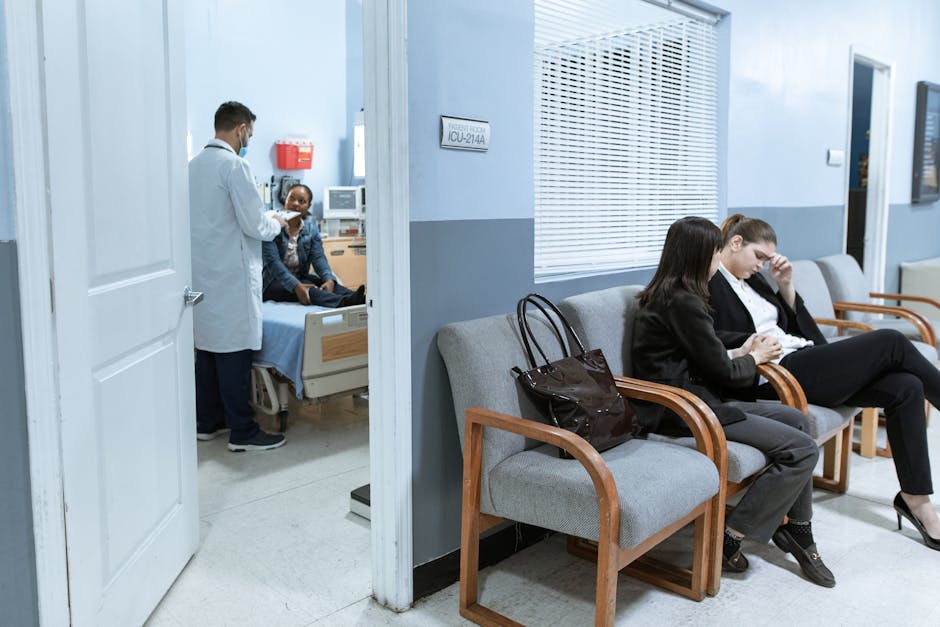
- Some NHS hospital trusts reported shorter waiting times after doctor strikes due to streamlined administrative processes and empowered non-clinical staff.
- Quickly adapting to doctor strikes can lead to improved patient flow, reduced bottlenecks, and faster clinical decisions.
- Under specific conditions, doctor strikes can act as a catalyst for rethinking rigid hospital hierarchies and operational inefficiencies.
- Shorter wait times and improved efficiency were not universal outcomes, but rather observed in trusts that adapted to the strikes.
- The NHS may be able to sustain these benefits without relying on industrial action if they can implement changes to hospital operations.
Could striking doctors actually improve patient care? That’s the surprising question emerging from recent industrial actions across the UK’s National Health Service. While strikes are traditionally seen as disruptive, some hospital trusts report that previous walkouts have led to shorter waiting times, quicker clinical decisions, and calmer emergency departments. These paradoxical outcomes challenge long-held assumptions about healthcare labor disputes. If pausing services can, in some cases, enhance efficiency, what does that say about how hospitals normally operate? And more urgently, can these benefits be sustained without relying on industrial action? As the NHS faces record demand and workforce shortages, the answers could reshape how care is delivered.
Do Doctor Strikes Improve Hospital Efficiency?

Yes—under specific conditions, doctor strikes have coincided with measurable improvements in hospital performance. According to internal data and interviews with NHS trust managers cited by the BBC, some hospitals experienced shorter patient wait times in emergency departments following consultant and junior doctor strikes between 2023 and 2024. The improvement wasn’t universal, but in trusts that adapted quickly, non-clinical staff were empowered to make triage decisions, administrative bottlenecks were streamlined, and patient flow improved. These changes suggest that strikes acted as a catalyst for rethinking rigid hierarchies and operational inertia. Importantly, the benefits emerged not from the absence of care, but from the emergency measures adopted to maintain essential services—measures that, in some cases, proved more efficient than standard protocols.
What Evidence Supports Improved Care During Strikes?

Data from NHS England and local trust reports indicate that hospitals under pressure during strikes implemented rapid-response protocols that inadvertently boosted efficiency. For example, a 2023 strike by junior doctors saw some trusts delegate triage responsibilities to senior nurses and advanced paramedics, reducing initial assessment times by up to 30%. In one London hospital, emergency department discharge rates increased by 15% during a strike week, attributed to faster bed turnover and reduced over-cautious admissions. A senior clinician from a Midlands trust told the BBC that “the corridors were calmer, decisions were sharper” when the usual cascade of consultations was compressed. While patient safety remained a top priority, temporary changes in workflow—such as streamlined handovers and real-time capacity tracking—demonstrated that existing systems may be overly reliant on physician availability, even when their input isn’t clinically essential.
Are There Risks or Downsides to These Improvements?

Yes—many clinicians and health policy experts warn against romanticizing industrial action as a pathway to efficiency. The British Medical Association (BMA) has stressed that strikes are a last resort, undertaken only after failed negotiations over pay, workload, and patient safety. They argue that temporary gains in flow do not offset the risks of delayed elective surgeries, postponed diagnoses, and increased stress on remaining staff. Some specialists also caution that the observed improvements may reflect selection bias: hospitals that adapted well were already better resourced or had more flexible leadership. Furthermore, extended strikes could lead to clinical backlogs and worsen long-term outcomes. As Dr. Sarah Reynolds, a public health researcher at the University of Manchester, notes, “Efficiency during a crisis doesn’t mean the system is working—it means it’s surviving.”
What Are the Real-World Impacts on Patients and Staff?

The real-world impact of these strike-induced changes varies by region and specialty. In some areas, patients reported shorter waits for emergency care but longer delays for non-urgent procedures like cataract surgery or endoscopies. Meanwhile, non-striking staff—especially nurses and mid-level practitioners—faced heavier workloads, raising concerns about burnout. Yet, the experience has prompted some trusts to retain post-strike protocols, such as faster discharge planning and expanded nurse-led triage. One trust in Sheffield has since formalized a “rapid response” team to manage surges without relying solely on consultants. For patients, this could mean more agile care—if such reforms are implemented without further disruption. However, without permanent staffing and funding solutions, hospitals risk reverting to pre-strike inefficiencies once the pressure lifts.
What This Means For You
If you rely on the NHS, these findings suggest that systemic inefficiencies—not just staffing levels—may be contributing to long waits. The strike-related improvements highlight that care can be delivered more swiftly when hierarchies are flattened and decision-making is decentralized. Patients may benefit if hospitals adopt these adaptive practices permanently. For healthcare workers, it underscores the potential of team-based, flexible models that value all roles equally. The key takeaway: crisis-driven innovation can reveal better ways to operate, but lasting change requires investment and structural reform, not just temporary fixes born of labor disputes.
So if strikes can unlock hidden efficiencies, why can’t the NHS replicate these gains without industrial action? And what would it take to make calmer corridors and faster decisions the norm, not the exception? Answering these questions may be the next critical step in building a more resilient, responsive healthcare system.
Source: BBC