- A single hantavirus case on a cruise liner led to the evacuation of over 2,000 passengers and 984 crew members.
- The MV Aurora was denied entry at multiple ports due to concerns about the spread of the disease.
- Passengers and crew members are being processed through a triage system at the port in Tenerife.
- Those showing symptoms of hantavirus are being isolated at a local hospital for further treatment.
- A coordinated public health effort is underway to supervise the offloaded passengers and monitor for any further cases.
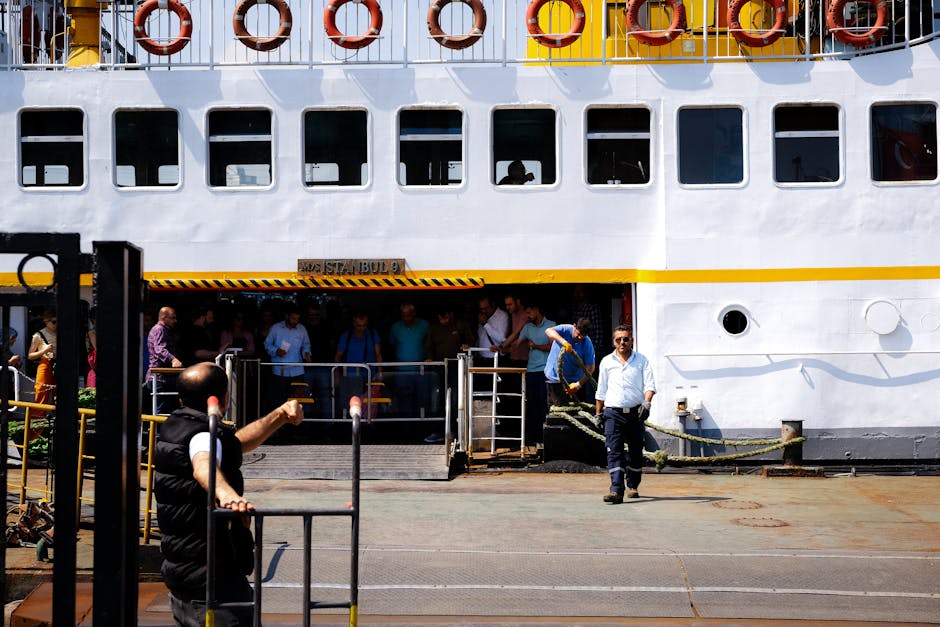
Under a slate-gray sky, the ocean liner MV Aurora glided into the port of Santa Cruz de Tenerife, its white hull streaked with salt and silence. Normally a vessel of laughter, karaoke nights, and sun-drenched decks, it now carried an invisible threat. Over 2,000 passengers, once eager for island excursions and wine tastings, stood behind stateroom windows, masked and watching. Medical personnel in full protective gear lined the docks, waiting. The ship had become a floating quarantine zone after a single passenger tested positive for hantavirus—a rare but potentially fatal disease transmitted through rodent excreta. For days, the vessel drifted in legal and medical limbo, denied entry at multiple ports. Now, in the Canary Islands, a fragile solution emerged: offload all passengers and send them home under coordinated public health supervision.
Emergency Disembarkation Underway

The MV Aurora, operated by Seabreeze Cruises, docked in Tenerife on Wednesday morning following negotiations between Spanish health authorities, the World Health Organization, and the cruise line’s emergency response team. All 2,147 passengers and 984 crew members are being processed through a triage system established at the port. Passengers showing symptoms of hantavirus pulmonary syndrome—including fever, muscle aches, and respiratory distress—are being isolated at Hospital Universitario Nuestra Señora de Candelaria. The rest will undergo rapid antigen and PCR screening before being escorted to military-chartered flights bound for the United States, Germany, Canada, and the United Kingdom. Spanish officials emphasized that no one will be allowed to enter the general population without clearance. The Canary Islands government activated its Level 3 health emergency protocol, calling in epidemiologists from Madrid and activating contact tracing units trained during the 2020–2023 pandemic years.
From Isolation to International Response

The crisis began ten days earlier when a 54-year-old American woman from Colorado fell ill after returning from a shore excursion in the Azores. Initially diagnosed with flu-like symptoms, her condition worsened rapidly. Upon retesting at sea, she tested positive for the Sin Nombre virus, a strain of hantavirus common in North America but exceedingly rare in Europe. The ship’s medical team notified authorities, but multiple nations—including Portugal, Morocco, and France—refused docking rights, citing fears of contagion. For 72 hours, the MV Aurora circled off the coast of West Africa, burning fuel and morale. The breakthrough came when Spain, citing humanitarian obligations under the International Health Regulations (2005), agreed to accept the vessel under strict conditions. Tenerife, already equipped with biosafety labs and quarantine infrastructure from prior outbreaks, was chosen as the safest point of entry. The WHO commended the decision as a model of global health diplomacy in action.
The People Behind the Crisis Response

Dr. Elena Márquez, Spain’s Deputy Director of Public Health Emergencies, led the interagency task force that orchestrated the disembarkation. A veteran of Ebola and COVID-19 responses, she insisted on balancing containment with compassion. “We cannot let fear dictate policy,” she told Reuters. “These are not vectors—they are people who need care and clarity.” Onboard, Chief Medical Officer Dr. Rajiv Patel worked around the clock to monitor passengers and prevent panic. Seabreeze Cruises CEO Diana Langston appeared in a video statement, apologizing for the ordeal and pledging full cooperation with investigators probing how rodents might have infiltrated the ship’s lower storage decks. Meanwhile, families of passengers anxiously tracked updates from home, many criticizing the lack of transparency in the early days of the outbreak.
Health and Economic Repercussions

The incident has triggered immediate consequences across the cruise industry and public health sectors. The U.S. Centers for Disease Control and Prevention (CDC) issued a Level 2 travel health notice for all Seabreeze vessels, recommending enhanced rodent control and pre-boarding screenings. European health agencies are now reviewing biosecurity protocols for all commercial cruise lines operating in the Mediterranean and Atlantic. Economically, Seabreeze Cruises’ stock dropped 22% in after-hours trading, and several travel insurers have announced temporary suspensions of coverage for cruise-related medical evacuations. For passengers, the trauma extends beyond physical health—many face quarantine orders upon return and stigma from communities fearing transmission. Hantavirus, while not contagious between humans, carries a 38% fatality rate in severe cases, according to the CDC, amplifying public anxiety despite low transmission risk.
The Bigger Picture
This event underscores the fragility of global mobility in the face of emerging pathogens. As climate change alters rodent migration patterns and international travel rebounds post-pandemic, the risk of zoonotic spillover on confined vessels grows. The MV Aurora incident is not merely a logistical challenge—it’s a test of how well the world has learned from past health crises. The coordinated response in Tenerife offers hope, but also reveals gaps in maritime health governance. Without binding international standards for cruise ship biosecurity, similar situations may arise with even deadlier agents.
As the last passenger boards a chartered flight to Frankfurt, the MV Aurora remains docked, undergoing deep fumigation and forensic inspection. Health officials will monitor all evacuees for 42 days—the longest documented incubation window for hantavirus. Seabreeze Cruises has canceled its next three sailings. The broader industry now faces pressure to adopt real-time pathogen surveillance and onboard isolation units. The sea may be vast, but on a cruise ship, there is no such thing as isolation—only the next wave of risk.
Source: The New York Times