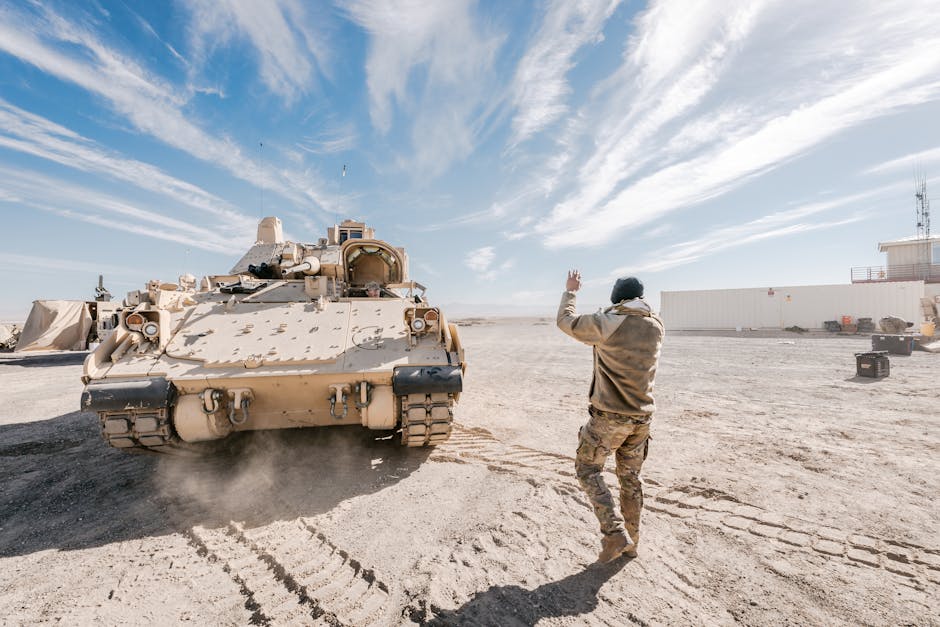
- US and Iran negotiations have reached an impasse, with Iran rejecting the latest US proposal.
- Iran deems the US proposal ‘totally unacceptable’, citing a 30-day extension and reopening of the Strait of Hormuz.
- Tensions between the two nations have surged, prompting a significant increase in military deployments and economic sanctions.
- The US has deployed an additional 1,000 troops to the region, while Iran has increased its military presence in the Strait of Hormuz.
- The fragile relationship between the US and Iran continues to deteriorate, leaving the international community uncertain about the future.
Executive summary: The United States and Iran have reached an impasse in their negotiations, with Iran deeming the latest US proposal “totally unacceptable”. The proposal, which included a 30-day extension to their cease-fire and a reopening of the Strait of Hormuz, has been rejected by Iran, leading to a surge in tensions between the two nations. As the situation continues to deteriorate, the international community is left wondering what the future holds for the fragile relationship between the US and Iran.
Evidence of Escalating Tensions

Hard data and numbers illustrate the severity of the situation, with a significant increase in military deployments and economic sanctions. According to a report by the Reuters, the US has deployed an additional 1,000 troops to the region, while Iran has responded by increasing its military presence in the Strait of Hormuz. Primary sources, including statements from both governments, confirm that the situation is increasingly volatile, with the US imposing further economic sanctions on Iran and Iran threatening to retaliate.
Key Players and Their Roles

The key actors in this conflict, including the US and Iranian governments, have been engaging in a war of words, with each side blaming the other for the breakdown in negotiations. The US has been pushing for Iran to comply with the terms of the Joint Comprehensive Plan of Action (JCPOA), while Iran has been demanding that the US lift its economic sanctions. Recent moves by both sides, including the US withdrawal from the JCPOA and Iran’s decision to breach the agreement’s limits on uranium enrichment, have contributed to the escalating tensions.
Trade-Offs and Consequences

The costs and benefits of the proposed 30-day ceasefire extension and reopening of the Strait of Hormuz must be carefully weighed, as the consequences of failure could be severe. On one hand, a ceasefire extension could provide a much-needed respite from the violence and allow for a return to negotiations. On the other hand, the US may be seen as weakening its stance, while Iran may view the proposal as an attempt to impose its will. The risks and opportunities associated with this proposal are complex and multifaceted, requiring careful consideration by both sides.
Timing and Circumstances

The timing of the proposed ceasefire extension and reopening of the Strait of Hormuz is crucial, as the situation on the ground continues to deteriorate. The US and Iran have been engaged in a series of tit-for-tat exchanges, with each side responding to the other’s actions. The recent rejection of the US proposal by Iran has led to a significant escalation in tensions, with the US imposing further economic sanctions and Iran threatening to retaliate. The question on everyone’s mind is why now, and what has changed to lead to this breakdown in negotiations.
Where We Go From Here
Looking ahead to the next 6-12 months, there are several possible scenarios that could play out. One scenario is that the US and Iran will engage in further negotiations, leading to a breakthrough in the talks and a reduction in tensions. Another scenario is that the situation will continue to deteriorate, leading to a full-scale conflict between the two nations. A third scenario is that the international community will intervene, imposing its own solution on the conflict and forcing the US and Iran to comply. Whatever the outcome, one thing is certain: the situation between the US and Iran will continue to be a major source of instability in the region.
Bottom line: The rejection of the US proposal by Iran has led to a significant escalation in tensions between the two nations, and the international community is holding its breath as it waits to see what will happen next.
Source: The New York Times