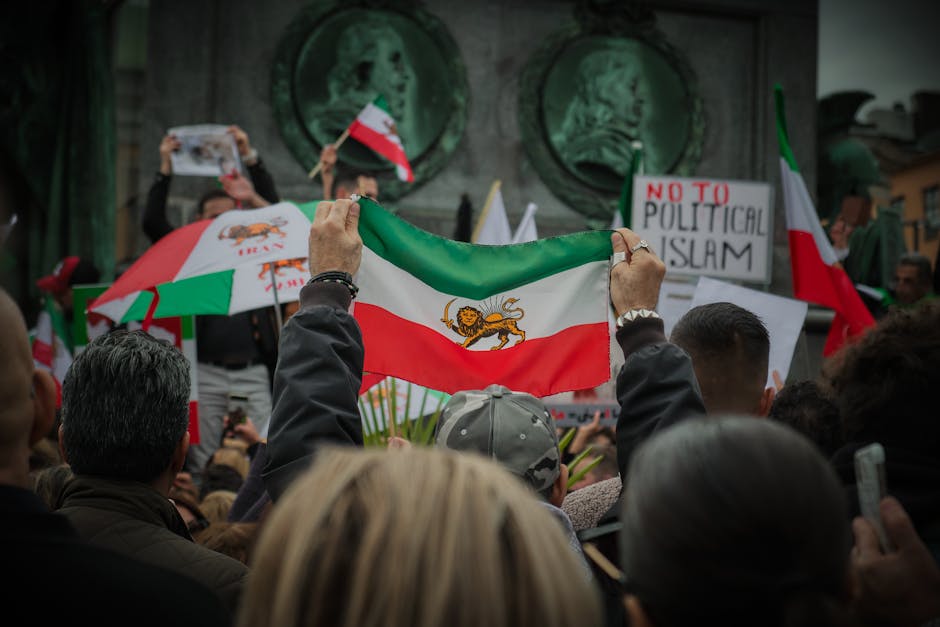
- Trump’s rejection of the cease-fire significantly escalated tensions between the US and Iran, creating global economic uncertainty.
- The fragile cease-fire is now in jeopardy, potentially leading to prolonged conflict and instability in the region.
- Global oil prices are rapidly increasing, and trade routes are being disrupted, impacting economies worldwide.
- The International Monetary Fund and World Bank warn of potential recession and downgraded economic growth forecasts.
- A deepening humanitarian crisis is unfolding, with rising refugee numbers and urgent calls for international diplomatic intervention.
The sun had barely risen over the bustling streets of Tehran when the news broke: President Trump had rejected the fragile cease-fire between the United States and Iran, calling the truce plan ‘garbage’. The announcement sent shockwaves through the global economy, as nations braced for the potential long-term consequences of escalated tensions. The streets, once filled with the sounds of merchants and traders, were now abuzz with worry and uncertainty. As one resident noted, ‘The future is uncertain, and the economy is on the brink of collapse’.
The Current State of Affairs

The current situation is precarious, with the fragile cease-fire hanging by a thread. Key facts indicate that the conflict has already had a significant impact on the global economy, with oil prices soaring and trade routes disrupted. The International Monetary Fund has warned of a potential recession, and the World Bank has downgraded its growth forecasts. As Reuters reports, the conflict has also led to a surge in refugee numbers, with thousands fleeing the affected areas. The humanitarian crisis is deepening, and the international community is calling for calm and diplomacy.
A History of Tensions

The story behind the story is one of long-standing tensions between the United States and Iran. The historical context is complex, with the two nations having a fraught relationship dating back to the 1979 Iranian Revolution. The conflict has escalated in recent years, with the United States withdrawing from the Joint Comprehensive Plan of Action (JCPOA) and imposing stringent sanctions on Iran. The Iranian government has responded with aggression, including the downing of a US drone and attacks on oil tankers. As Wikipedia notes, the conflict has its roots in a deep-seated mistrust and competing interests in the region.
The Key Players

The people shaping this conflict are motivated by a complex array of factors. President Trump’s rejection of the truce plan is seen as a negotiating tactic, aimed at extracting concessions from the Iranian government. The Iranian leadership, on the other hand, is driven by a desire to maintain its sovereignty and resist external pressure. As The New York Times reports, the leaders of other nations, including India and China, are urging calm and diplomacy, while also pursuing their own interests in the region. The motivations of these key players are multifaceted, and their actions will have far-reaching consequences.
Consequences and Implications

The consequences of this conflict will be far-reaching, with stakeholders around the world feeling the impact. The global economy is already showing signs of strain, with trade disruptions and oil price shocks affecting businesses and consumers alike. The humanitarian crisis is deepening, with thousands of refugees fleeing the affected areas. As WHO notes, the conflict also poses significant health risks, including the spread of disease and the disruption of medical supplies. The international community is calling for urgent action to address these consequences and prevent further escalation.
The Bigger Picture
This conflict matters in a broader context because it has the potential to destabilize the entire region. The Middle East is a critical hub for global trade and energy production, and any disruption to these flows will have far-reaching consequences. The conflict also highlights the need for diplomacy and international cooperation, as nations work together to address the complex challenges of the 21st century. As BBC reports, the conflict is a reminder of the importance of multilateralism and the need for nations to work together to address common challenges.
In the end, the question on everyone’s mind is: what comes next? Will the conflict escalate further, or will diplomacy prevail? The answer is uncertain, but one thing is clear: the world is watching, and the consequences of inaction will be severe. As nations brace for the potential long-term economic woes, one thing is certain: the road ahead will be fraught with challenges, and only time will tell what the future holds.
Source: The New York Times