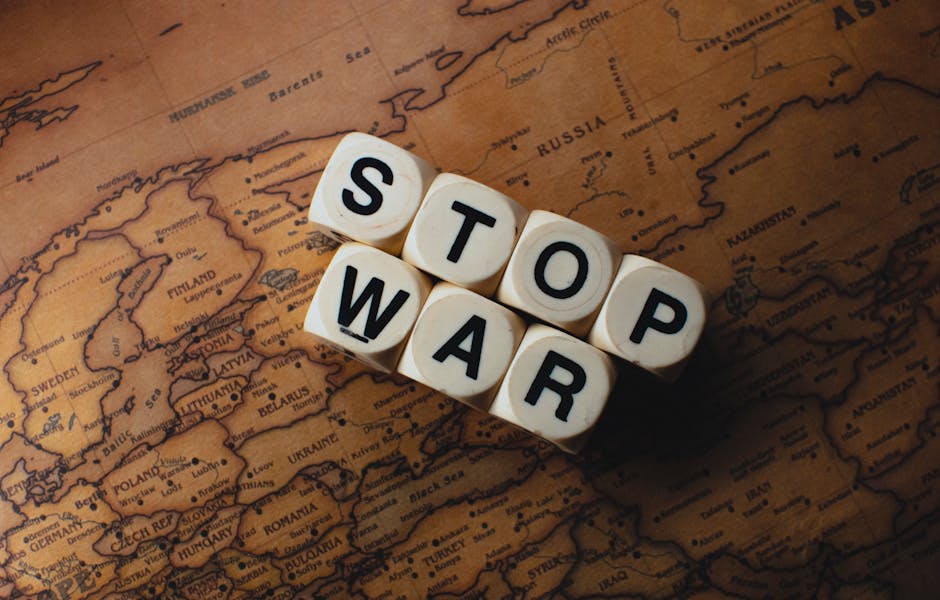
- India is concerned about the escalating US-Iran conflict due to its substantial diaspora and economic ties in the Middle East.
- Prime Minister Modi has advised Indian citizens to limit foreign travel, particularly to the Middle East, as a safety precaution.
- The crisis originated from a US drone strike that killed a high-ranking Iranian military commander, triggering retaliatory missile attacks.
- India is attempting to balance its traditionally good relationships with both the US and Iran amidst heightened regional instability.
- The government’s travel advisory signals a serious assessment of the situation and a desire to safeguard Indian citizens abroad.
As the world watches the escalating tensions between the US and Iran, India has found itself in a precarious position. With a large diaspora community in the Middle East and significant economic interests in the region, the Indian government is taking no chances. Prime Minister Narendra Modi has urged Indians to work from home and limit foreign travel, especially to the Middle East, as a precautionary measure. This move has sparked concerns among Indians, with many wondering what this means for their safety and the country’s economic stability.
Understanding the Iran Conflict

The current crisis began when the US launched a drone strike that killed top Iranian military commander Qasem Soleimani, prompting Iran to retaliate with missile strikes on US bases in Iraq. The situation has been volatile ever since, with both sides engaging in a war of words and actions. India, which has traditionally maintained good relations with both the US and Iran, is walking a tightrope to ensure its interests are protected. The government’s advisory is a clear indication that it is taking the situation seriously and wants to minimize risks for its citizens.
Evidence of a Region in Turmoil

The Middle East is a powder keg of tensions, and the current conflict has only added to the instability. Reuters reports that the region has seen a significant increase in military activity, with many countries bolstering their defenses. The BBC notes that the conflict has also had a humanitarian impact, with many civilians caught in the crossfire. India’s decision to urge caution is based on these developments, as it seeks to protect its citizens and interests in the region.
Counter-Perspectives and Criticisms

Not everyone is convinced that India’s measures are sufficient or even necessary. Some critics argue that the government is overreacting, and that the situation is not as dire as it seems. Others point out that the advisory is too vague and does not provide clear guidance for citizens. Additionally, there are concerns that the move could have economic implications, particularly for industries that rely on international trade and travel. As Dr. Mohan Kumar, a leading expert on international relations, notes, “The government needs to strike a balance between caution and economic pragmatism.”
Real-World Impact and Consequences

The consequences of the Iran conflict are already being felt in India. Many Indians working in the Middle East are on edge, unsure of what the future holds. The Indian rupee has also taken a hit, with investors becoming increasingly risk-averse. Furthermore, the conflict has raised concerns about global oil prices, which could have a significant impact on India’s economy. As the situation continues to unfold, it is clear that India will need to navigate this complex geopolitical landscape carefully to minimize the fallout.
What This Means For You
For Indians, the government’s advisory is a clear signal to exercise caution. If you have travel plans to the Middle East, it may be wise to reconsider or postpone them. Additionally, being informed about the situation and following official guidance can help minimize risks. As the situation develops, it is essential to stay vigilant and adapt to changing circumstances.
As the world waits with bated breath to see how the Iran conflict will play out, one thing is certain – the coming days and weeks will be crucial in determining the course of global events. Will the situation escalate further, or can diplomatic efforts calm the tensions? Only time will tell, but for now, India remains on high alert, bracing itself for any eventuality.
Source: BBC