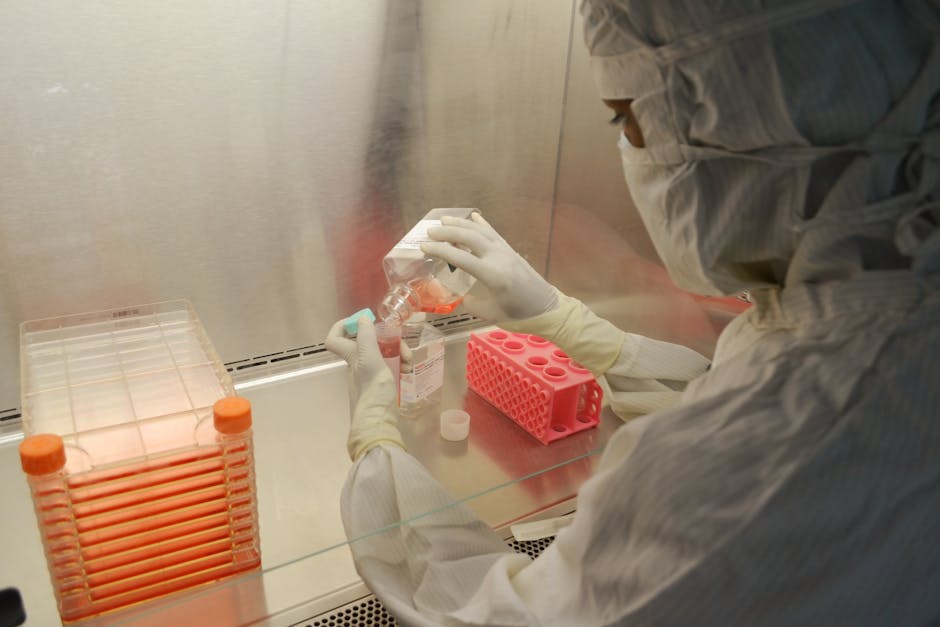
- Gene editing of donor stem cells has shown a 40% reduction in cancer relapse in blood cancer patients.
- The technique removes a protein involved in immune recognition, reducing post-transplant toxicity and strengthening the body’s cancer-fighting ability.
- Allogeneic stem cell transplantation with gene editing can harness the graft-versus-leukemia effect while minimizing graft-versus-host disease risk.
- The CRISPR-Cas9 gene editing tool allows for precise modification of donor cells to improve transplant outcomes.
- This advancement may represent a significant leap forward in cancer immunotherapy, offering new hope for high-risk blood cancer patients.
Can a single genetic tweak to donor stem cells dramatically improve outcomes for patients battling aggressive blood cancers? For patients with acute myeloid leukemia, lymphoma, and other high-risk hematologic malignancies, stem cell transplantation offers a rare shot at cure—but success is often undermined by cancer relapse or life-threatening immune complications. Even when the transplant takes, up to half of patients see their cancer return. Now, a groundbreaking clinical trial is raising hopes that gene editing could tilt the odds in patients’ favor. By modifying donor cells to remove a specific protein involved in immune recognition, researchers have not only reduced post-transplant toxicity but also potentially strengthened the body’s ability to keep cancer at bay. Could this be the next leap in cancer immunotherapy?
How does editing donor stem cells improve transplant outcomes?

The answer lies in a refined form of allogeneic stem cell transplantation, where donor immune cells not only rebuild the patient’s blood system but also launch a targeted attack against residual cancer cells—a phenomenon known as the graft-versus-leukemia (GVL) effect. However, this powerful immune response often comes with a dangerous downside: graft-versus-host disease (GVHD), where donor T cells attack the patient’s healthy tissues. In the new trial conducted at Washington University School of Medicine in St. Louis, researchers used gene editing—specifically CRISPR-Cas9 technology—to delete the CD70 protein from donor stem cells. CD70 plays a role in activating immune responses, and its removal appears to temper overactive T cells that cause GVHD while preserving those that target cancer. This dual benefit could allow for more effective post-transplant therapies without increasing toxicity, a long-standing challenge in hematologic oncology.
What evidence supports the effectiveness of CD70-edited transplants?

Preliminary data from the Phase 1 trial, published in Nature Medicine, showed that patients receiving CD70-edited stem cells had significantly lower rates of severe GVHD compared to historical controls—dropping from around 30% to just over 10%. More strikingly, the relapse rate within the first year was reduced by nearly 40%, a critical improvement given that relapse is the leading cause of death post-transplant. Dr. John F. DiPersio, the trial’s lead investigator and deputy director of the Siteman Cancer Center, stated, “We’re seeing a separation between graft-versus-host and graft-versus-leukemia effects—something we’ve tried to achieve for decades.” Additionally, patients tolerated maintenance therapies like immune checkpoint inhibitors better, suggesting that the edited cells create a more favorable environment for follow-up treatment. These findings build on earlier work in mouse models, where CD70 deletion enhanced T cell memory and anti-tumor activity.
Are there risks or limitations to this gene-editing approach?

Despite the promising results, experts urge caution. Some immunologists question whether reducing CD70 might inadvertently weaken long-term immune surveillance. “While dampening GVHD is beneficial, we must ensure we’re not blunting the very immune response needed to prevent late relapses,” said Dr. Catherine Bollard, a cellular therapy expert at George Washington University, who was not involved in the study. Others point out the small sample size—fewer than 30 patients—and the lack of a randomized control group. There are also concerns about off-target effects of CRISPR, though comprehensive genomic analyses in the trial detected no unintended edits. Furthermore, the approach currently requires access to specialized manufacturing facilities, limiting its availability to major academic centers. And because the edited cells still rely on donor matching, patients without suitable donors won’t benefit—highlighting the need for future “off-the-shelf” versions using universal donor cells.
What real-world impact could this breakthrough have?

If confirmed in larger trials, this technique could transform the standard of care for high-risk blood cancer patients. Take the case of 54-year-old Marcus Reed from Kansas City, a trial participant with relapsed acute myeloid leukemia. After a conventional transplant failed, he received the gene-edited cells and remained in remission for over 18 months—longer than expected—with minimal GVHD. “I’m back at work, seeing my grandkids. It’s been life-changing,” he said during a hospital follow-up. For health systems, reducing GVHD could slash hospitalization rates and cut millions in supportive care costs. Pharmaceutical companies are already exploring partnerships with academic labs to scale up production. Moreover, the success of CD70 editing opens the door to targeting other immune checkpoints, potentially expanding the approach to solid tumors and autoimmune diseases in the future.
What This Means For You
If you or a loved one faces an aggressive blood cancer, this research offers tangible hope: future transplants may be both safer and more effective. While still experimental, gene-edited stem cell therapy could soon become a standard option, especially for those at high risk of relapse. The key benefit is dual protection—lower chances of deadly side effects and stronger cancer control. As trials expand, talk to your oncologist about eligibility for emerging cellular therapies. This isn’t a cure-all yet, but it’s a meaningful step toward longer, healthier survival.
Will gene-edited transplants eventually replace conventional ones, and can they be made accessible beyond elite medical centers? As researchers push toward off-the-shelf, universally compatible cell products, the next few years will determine whether this innovation can deliver on its promise for patients worldwide.
Source: MedicalXpress