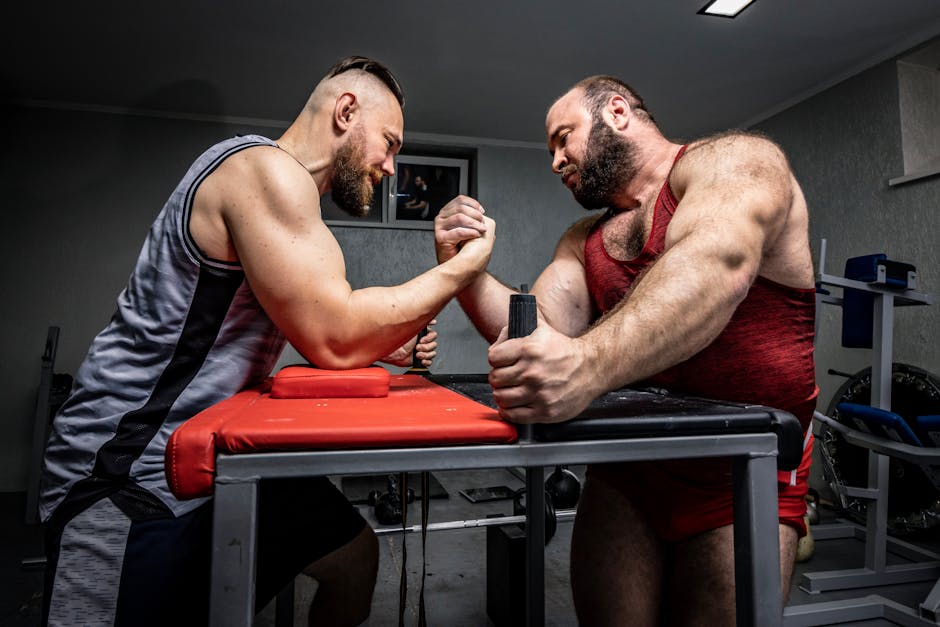
- A simple strength test can predict how long you live, particularly among older women.
- Women who performed well on strength tests had a lower risk of death over the next eight years.
- Every 0.1 kg increase in hand grip strength was associated with a 1.5% reduction in mortality risk.
- Strength training can be an effective strategy for improving longevity and overall health.
- Muscle strength is a key indicator of overall physical function in older adults.
Executive summary: A recent study has shed light on the importance of muscle strength in predicting longevity, particularly among older women. The research, which involved over 5,000 women, found a significant correlation between simple signs of strength, such as a firm hand grip or the ability to quickly stand up from a chair, and a lower risk of death over the next eight years. As the global population ages, this discovery could have significant implications for public health policy and individual wellness strategies.
The Evidence: Muscle Strength as a Predictor of Longevity

The study, which was published in a reputable medical journal, analyzed data from a large cohort of women aged 60-90 years. The researchers used a variety of metrics to assess muscle strength, including hand grip strength, chair stand time, and walking speed. The results showed that women who performed well on these tests had a significantly lower risk of death over the next eight years, compared to those who performed poorly. According to the study, every 0.1 kg increase in hand grip strength was associated with a 1.5% reduction in mortality risk. These findings are supported by previous research on the importance of physical function in older adults.
The Players: Who Benefits from Strength Training

The study’s findings have significant implications for older women, who are at higher risk of age-related declines in muscle mass and strength. However, the benefits of strength training are not limited to this demographic. Other groups, such as older men and individuals with chronic diseases, may also benefit from incorporating strength exercises into their fitness routine. Key actors, including healthcare providers, fitness professionals, and policymakers, play a crucial role in promoting strength training as a vital component of healthy aging. For example, the World Health Organization recommends regular physical activity, including strength training, as a way to reduce the risk of chronic diseases.
The Trade-Offs: Balancing Benefits and Risks

While the benefits of strength training are clear, there are also potential risks and trade-offs to consider. For example, high-intensity strength training may increase the risk of injury, particularly among older adults or those with pre-existing medical conditions. Additionally, some individuals may need to balance the benefits of strength training with other health considerations, such as managing chronic pain or avoiding overexertion. However, the risks of inactivity far outweigh the potential risks of strength training, and the benefits of regular exercise can be achieved with moderate-intensity activities, such as brisk walking or bodyweight exercises.
Timing: Why Strength Matters Now

The importance of strength training has never been more pressing, given the rapidly aging global population and the rising burden of age-related diseases. As people live longer, they are more likely to experience declines in physical function, including muscle mass and strength. However, with the right strategies and support, older adults can maintain their physical function and reduce their risk of chronic diseases. The current study’s findings highlight the need for healthcare providers and fitness professionals to prioritize strength training as a key component of healthy aging, particularly among older women.
Where We Go From Here
Looking ahead to the next 6-12 months, there are several potential scenarios for the role of strength training in promoting healthy aging. One possible scenario is that strength training becomes a widely accepted and integrated component of public health policy, with healthcare providers and fitness professionals working together to promote regular exercise and physical activity. Another scenario is that the benefits of strength training are oversold, leading to unrealistic expectations and potential risks among older adults. A third scenario is that the current study’s findings are replicated and expanded upon, leading to a deeper understanding of the complex relationships between muscle strength, physical function, and longevity.
Bottom line: In conclusion, the current study’s findings highlight the critical importance of muscle strength in predicting longevity, particularly among older women, and underscore the need for healthcare providers and fitness professionals to prioritize strength training as a vital component of healthy aging.
Source: ScienceDaily