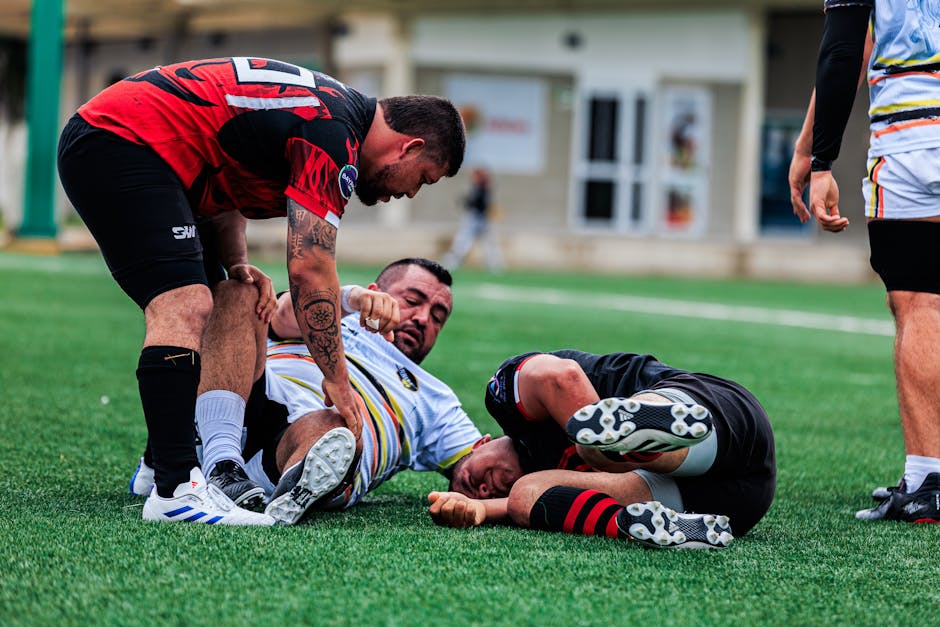
- Former Georgia rugby captain Merab Sharikadze has been banned for 11 years over doping violation.
- The ban is one of the harshest ever imposed in rugby, citing repeated breaches of anti-doping regulations.
- Sharikadze tested positive for performance-enhancing drugs including anabolic steroids and masking agents.
- The scandal threatens to tarnish Georgia’s reputation for clean competition in world rugby.
- The case highlights growing scrutiny over doping enforcement in Tier 2 and Tier 3 rugby nations.
One of rugby’s most prominent figures in the international game now faces an 11-year ban after testing positive for multiple prohibited substances. Merab Sharikadze, the former captain of the Georgia national rugby team, has been sanctioned by the International Rugby Board (World Rugby) following a comprehensive investigation into repeated breaches of anti-doping regulations. The penalty, one of the harshest ever imposed in rugby, stems from findings that Sharikadze used performance-enhancing drugs including anabolic steroids and masking agents across multiple competitive seasons. With Georgia having established itself as a rising force in world rugby—particularly through its dominant scrum and consistent Rugby World Cup appearances—the scandal threatens to tarnish the nation’s hard-earned reputation for clean competition. The case underscores growing scrutiny over doping enforcement in Tier 2 and Tier 3 rugby nations, where testing infrastructure can be inconsistent.
Why This Ban Sends Shockwaves Through Global Rugby

Sharikadze’s ban is not merely a personal downfall but a pivotal moment for the sport’s integrity framework. As a long-standing captain and figurehead of Georgian rugby, his leadership on and off the pitch helped inspire a generation of players in a country where rugby is second only to football in national passion. The 11-year sanction, effective retroactively from the date of his provisional suspension, effectively ends any possibility of a professional comeback and disqualifies all competitive results from the period under investigation. World Rugby’s Anti-Doping Judicial Panel emphasized the “aggravating circumstances” of the case, citing both the variety and duration of prohibited substance use. This decision may prompt a reevaluation of testing frequency and oversight in emerging rugby powers, particularly in Eastern Europe and Central Asia, where regulatory capacity varies significantly.
The Breakdown of Sharikadze’s Anti-Doping Violations

The case against Sharikadze began in early 2023 when routine out-of-competition testing revealed the presence of trenbolone, nandrolone, and hydrochlorothiazide—a combination indicating both muscle-building enhancement and deliberate attempts to mask drug use. Subsequent investigation by the World Rugby Doping Control Authority uncovered evidence of repeated violations dating back to 2021, including sample manipulation and evasion of testers on two documented occasions. Sharikadze, who played for Lyon in France’s Top 14 league before returning to Georgia, was charged under World Rugby Regulation 21, which governs anti-doping policy. He contested the charges initially but withdrew his appeal after the accumulation of biochemical and procedural evidence, including irregularities in urinary testosterone-to-epitestosterone ratios across multiple samples. His club, the Georgian Rugby Union, has since distanced itself from the former captain, calling the violations “a betrayal of the sport’s values.”
Analyzing the Causes and Systemic Gaps in Doping Enforcement

While individual accountability is central, experts suggest Sharikadze’s case may reflect broader systemic vulnerabilities. According to Dr. Luca Ferraro, a sports pharmacologist cited in a 2023 The Guardian investigation, “Athletes from nations with limited anti-doping infrastructure are at higher risk of exposure to contaminated supplements or inadequate education.” Georgia, despite its strong on-field performance, has historically received lower funding for anti-doping programs compared to Western European nations. This disparity can lead to delayed testing, fewer unannounced checks, and reduced athlete awareness. Moreover, the pressure to perform on the global stage—especially for players representing countries striving for recognition—can create incentives to seek unfair advantages. Data from the World Anti-Doping Agency (WADA) shows a 23% increase in reported violations from Eastern European athletes between 2018 and 2022, a trend that raises concerns about equitable enforcement and support.
Who Is Affected by the Fallout from This Decision?

The consequences of Sharikadze’s ban extend beyond the individual. The Georgian national team, which relied on his experience and leadership during critical qualifiers, must now rebuild its core ahead of the 2027 Rugby World Cup. Younger players who looked to him as a mentor face a disillusioning message about integrity. Sponsors and broadcasters may also grow cautious about investing in emerging rugby markets if doping allegations persist. Meanwhile, teammates and staff implicated in the investigation, though not formally charged, are under unofficial scrutiny. At the institutional level, the Georgian Rugby Union faces pressure to demonstrate robust internal reforms, including mandatory anti-doping education and increased transparency in testing protocols. Failure to act could jeopardize the country’s standing in World Rugby rankings and eligibility for international tournaments.
Expert Perspectives
Opinions on the severity of the ban are divided. Some, like former WADA compliance officer Elena Petrova, argue that “An 11-year penalty sends a necessary deterrent message, especially in sports where doping culture is evolving.” Others, including sports ethicist James Mwangi, caution that “While accountability is essential, disproportionate sanctions risk alienating athletes from nations with unequal access to clean sport resources.” The debate reflects a larger tension in global sports governance between zero-tolerance policies and context-sensitive adjudication.
Looking ahead, World Rugby is expected to release a revised anti-doping strategy in 2025, with a focus on equity and early intervention. Whether Sharikadze’s case becomes a turning point for reform or a cautionary tale of enforcement imbalance remains to be seen. One thing is certain: the integrity of the sport depends not only on punishing violations but on ensuring every athlete competes on a level playing field.
Source: Reddit