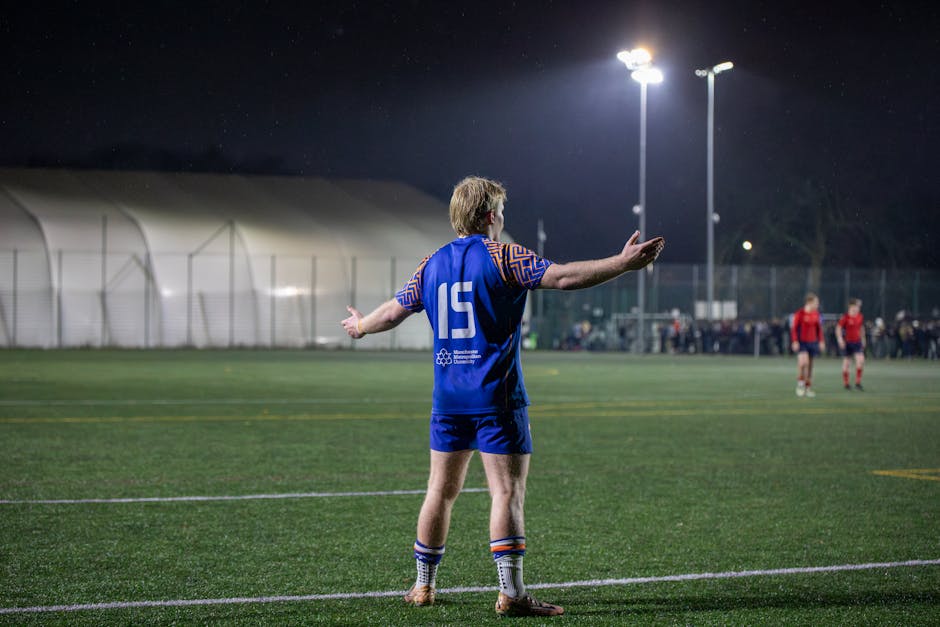
- Rugby player Merab Sharikadze has been handed an 11-year ban for his role in a urine-swapping scheme.
- Five of Sharikadze’s team-mates have also been suspended for periods of up to six years.
- The bans were imposed by the governing body of rugby to eradicate doping from the sport.
- The scandal is a major blow to Georgian rugby, highlighting the widespread nature of the scheme.
- The incident serves as a stark reminder of the importance of fair play and anti-doping rules in sports.
The rugby world was left reeling as news broke of a shocking urine-swapping scheme involving former Georgia captain Merab Sharikadze and several of his team-mates. The scandal, which has sent shockwaves through the sporting community, has resulted in Sharikadze being handed an 11-year ban from the sport. The severe penalty is a stark reminder of the importance of fair play and the need for athletes to adhere to strict anti-doping rules. As the news broke, fans and fellow players alike were left to ponder the circumstances that led to such a drastic measure.
Current State of Affairs

The current situation is a dire one for Georgian rugby, with Sharikadze’s ban being the most severe penalty handed down. Five of his team-mates have also been suspended for periods of up to six years, highlighting the widespread nature of the scheme. The bans have been imposed by the governing body of rugby, which has been working tirelessly to eradicate doping from the sport. As the news sinks in, the rugby community is left to pick up the pieces and wonder how such a blatant disregard for the rules could have occurred. According to BBC Sport, the bans are a major blow to Georgian rugby.
A History of Doping Scandals

The story behind the urine-swapping scheme is a complex one, with roots in the historical context of doping in sports. For decades, athletes have been seeking ways to gain an unfair advantage, from using performance-enhancing substances to manipulating test results. The use of urine-swapping as a means of avoiding detection is a particularly egregious example of the lengths to which some athletes will go to cheat. As Wikipedia notes, doping has been a persistent problem in sports, with various scandals and controversies emerging over the years.
Key Players Involved

At the center of the scandal is Merab Sharikadze, the former captain of the Georgian rugby team. Sharikadze’s motivations for involvement in the scheme are unclear, but it is likely that the pressure to perform and the desire for success played a significant role. The involvement of five of his team-mates suggests that the scheme was not an isolated incident, but rather a coordinated effort to cheat. As the news broke, fans and fellow players alike were left to wonder how such a respected figure in the sport could have been involved in such a blatant disregard for the rules.
Consequences of the Scandal

The consequences of the scandal will be far-reaching, with the bans imposed on Sharikadze and his team-mates having a significant impact on the sport as a whole. The reputation of Georgian rugby has been severely damaged, and the trust of fans and fellow players has been broken. The scandal also raises questions about the effectiveness of anti-doping measures in sports, and whether more needs to be done to prevent such incidents from occurring in the future. As Reuters reports, the scandal has sparked a wider debate about doping in sports.
The Bigger Picture
The bigger picture is one of a sport in crisis, with the urine-swapping scandal being just the latest in a long line of doping controversies. The incident highlights the need for stricter anti-doping measures and a greater commitment to fair play from athletes and governing bodies alike. As the sporting community comes to terms with the scandal, it is clear that a fundamental shift in culture is needed to prevent such incidents from occurring in the future. The Guardian notes that the scandal has sparked a wider debate about the role of doping in sports.
In the end, the urine-swapping scandal will be remembered as a dark day for rugby, but it also presents an opportunity for the sport to come together and reaffirm its commitment to fair play. As the news sinks in and the dust settles, one thing is clear: the road to redemption will be long and difficult, but it is a journey that must be taken. The future of the sport depends on it, and it is up to the athletes, governing bodies, and fans to ensure that such a scandal never happens again.
Source: BBC