- Six Georgian rugby players were suspended for their roles in a large-scale urine-swapping scheme to bypass anti-doping protocols.
- The scandal involved a coordinated effort, including sample substitution, deception, and a betrayal of the sport’s integrity.
- A network of coordination was used, including the use of synthetic bladders and external help from individuals outside the team.
- One player received an 11-year ban, the longest in recent rugby history, for their involvement in the scheme.
- The scandal has sent shockwaves through the global rugby community, damaging the sport’s reputation.
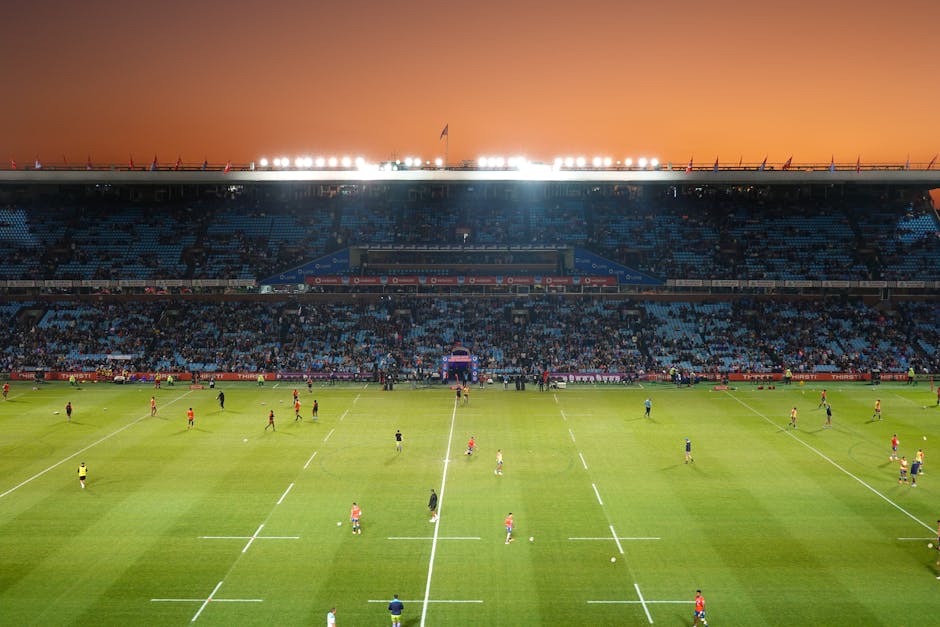
Under the bright stadium lights of Tbilisi’s Mikheil Meskhi Stadium, where chants once echoed with pride and the thunder of scrums reverberated through the Caucasus foothills, a different kind of drama has unfolded—one that stains the sport’s reputation far beyond the pitch. The grass may have been freshly mowed, the jerseys immaculately pressed, but beneath the surface, a conspiracy brewed: Georgian rugby players, once hailed as national heroes, now stand disgraced. In a scandal that has sent shockwaves through the global rugby community, six athletes have been suspended for their roles in a meticulously planned urine-swapping scheme designed to beat anti-doping protocols. This was not a momentary lapse in judgment but a coordinated effort, involving sample substitution, deception, and a calculated betrayal of the sport’s integrity. The image of rugby as a game of honor, respect, and fair play now confronts one of its darkest chapters.
The Doping Scheme Uncovered

World Rugby’s independent disciplinary panel confirmed that the six players from Georgia’s national team conspired to substitute their urine samples with clean ones during out-of-competition testing in 2022 and 2023. The investigation, led by the International Testing Agency (ITA), revealed a network of coordination that included the use of synthetic bladders and external help from individuals outside the team. One player received an 11-year ban—the longest in recent rugby history—while the others were suspended for periods ranging from four to eight years. The scheme involved smuggling clean urine into testing facilities using concealable devices, a method long associated with high-level doping fraud. According to the tribunal’s findings, the athletes attempted to exploit gaps in monitoring procedures during unsupervised collection windows. Evidence presented included text messages, surveillance footage, and testimony from whistleblowers within the team’s support staff. The sanctions underscore not only the severity of the violations but also World Rugby’s determination to enforce strict anti-doping standards, even in nations where oversight has historically been inconsistent.
Roots of Doping in Georgian Rugby

While doping scandals are not new to international sports, their emergence in Georgian rugby reveals deeper systemic vulnerabilities. Georgia has long been a powerhouse in the forward positions, famed for its dominant scrum and physicality, but its rise has been shadowed by persistent questions about strength enhancement. The country’s rugby culture emphasizes raw power and endurance, traits that, in recent years, have raised eyebrows among international observers. For decades, limited funding and oversight left anti-doping enforcement under-resourced, creating an environment where unethical practices could flourish. Though Georgia has participated in every Rugby World Cup since 2003, its domestic testing regime has lagged behind those of top-tier nations. The ITA only began managing testing for Georgia in 2020, following pressure from World Rugby to standardize procedures. This gap allowed for a culture of impunity to develop, where players and staff believed they could manipulate the system with minimal risk. The urine-swapping scandal is not an isolated incident but a symptom of years of inadequate governance and oversight.
The Players and Enablers

The six banned athletes include two international forwards and four domestic league players, all of whom held prominent roles in Georgia’s domestic and regional rugby circuits. While the names of the players have been made public by the ITA, the identities of the individuals who assisted in the scheme—including a former team physio and a logistics coordinator—remain partially redacted pending further investigation. Testimony suggests that the group operated under the belief that enhanced performance was necessary to remain competitive against wealthier European teams with superior training infrastructure. One player reportedly justified the actions by stating, “We don’t have access to the same recovery technology or nutritionists—this was our way of leveling the field.” Yet the decision to engage in outright fraud undermines that narrative, transforming a struggle for equity into a case of deliberate deception. The motivations appear to be a mix of national pride, personal ambition, and a distorted sense of entitlement fostered by a system that rewarded results over integrity.
Consequences for Georgian Rugby

The fallout extends far beyond the individual bans. Georgia’s national team now faces reputational damage that could affect sponsorship, international invitations, and player eligibility for future tournaments. World Rugby has announced a mandatory audit of Georgia’s national anti-doping framework, with potential sanctions if reforms are not swiftly implemented. Clubs linked to the players may lose funding or accreditation, and young athletes could lose role models at a critical time for grassroots development. Moreover, the scandal casts doubt on past performances—raising questions about whether previous victories were achieved fairly. International rivals, particularly teams from the Six Nations, have called for stricter monitoring of emerging rugby nations. While Georgia has long been respected for its passion and physicality, this incident threatens to reframe its legacy around suspicion and scandal. Restoring trust will require not only punitive measures but systemic cultural change.
The Bigger Picture
This scandal is a stark reminder that doping is not merely a personal failing but a systemic one. Across sports, from track and field to cycling, the lure of victory has repeatedly outpaced ethical boundaries. The Georgian case illustrates how structural inequities—uneven funding, inconsistent oversight, and pressure to compete—can create fertile ground for corruption. While anti-doping agencies have become more sophisticated, so too have evasion tactics. The use of synthetic delivery devices signals an arms race between testers and cheaters. To preserve the integrity of sport, global governing bodies must invest not only in detection but in equity—ensuring all nations have access to clean, transparent, and well-resourced athletic programs. Otherwise, the temptation to cheat will persist, especially in regions where opportunity is scarce and glory is hard-won.
What comes next will test the resilience of Georgian rugby and the resolve of its international overseers. Reforms must go beyond punishment—addressing education, transparency, and infrastructure. The banned players may never return to the field, but their actions have sparked a necessary reckoning. If met with genuine reform, this scandal could become a turning point—one where the sport chooses integrity over illusion, and fairness over fraud.
Source: Sky Sports