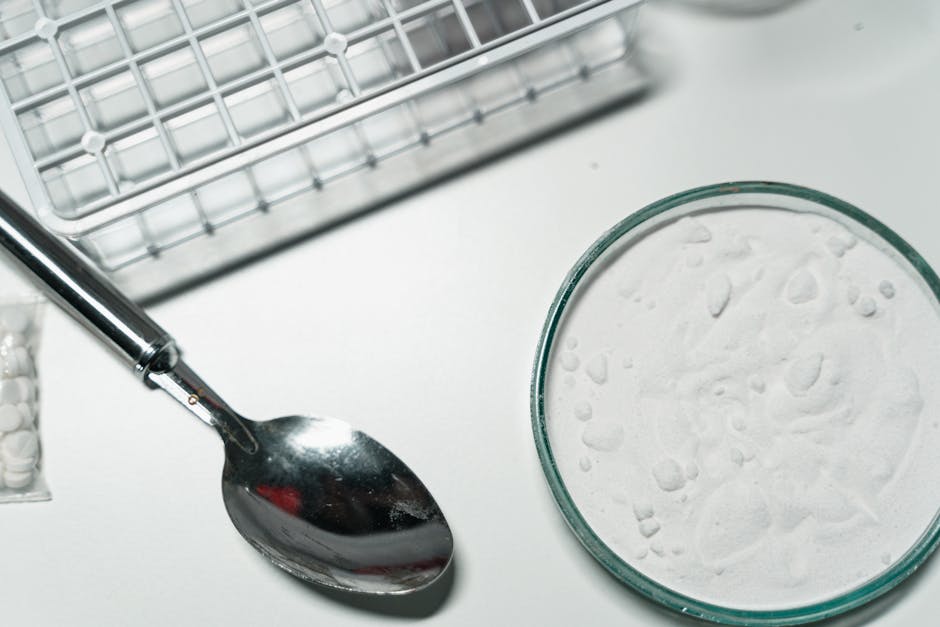
- Synthetic opioids are linked to over 80% of US overdose deaths, with new compounds emerging rapidly.
- Isotonitazene and metonitazene are two potent synthetic opioids up to 20 times more potent than fentanyl.
- Synthetic opioids are often mixed with other drugs or mislabeled, creating deadly surprises for users.
- Nitazenes, a class of opioids, are not federally scheduled in the US, allowing them to circulate in legal gray zones.
- East Tennessee is experiencing an alarming trend of synthetic opioids laced with street drugs like fentanyl and cocaine.
More than 100,000 drug overdose deaths occurred in the United States in the past year, with synthetic opioids implicated in over 80% of cases. In East Tennessee, an alarming new trend is emerging: street drugs such as fentanyl, cocaine, and even counterfeit pills are being laced with powerful, barely regulated opioids like isotonitazene and metonitazene—compounds up to 20 times more potent than fentanyl. Dr. Juan Carlos Diaz, the chief medical examiner for Knox County, is on the front lines, using forensic chemistry and autopsy data to detect these hidden killers before they claim more lives. His lab has identified at least five novel synthetic opioids in the past 18 months, underscoring a rapidly evolving threat that is outpacing both regulation and public awareness.
The Hidden Chemistry of Street Drugs

Synthetic opioids, once developed for research or pain management, have increasingly found their way into illicit drug markets due to their high potency and low production cost. Unlike heroin or traditional pharmaceuticals, compounds such as nitazenes—a class of opioids originally synthesized in the 1950s—are not federally scheduled in the U.S., allowing them to circulate in legal gray zones until banned. These substances are now appearing in powder, tablet, and even vaping form, often mislabeled or mixed with other drugs. Dr. Diaz’s team has found nitazenes in samples labeled as oxycodone or methamphetamine, creating deadly surprises for users who believe they are consuming a known substance. According to the Centers for Disease Control and Prevention, such contamination is a key driver behind the recent uptick in fatal overdoses, particularly among younger populations.
A Forensic Race Against Time

At the Knox County Medical Examiner’s office, Dr. Diaz and his team conduct toxicology screenings on every overdose death, but identifying new analogs is a constant challenge. Standard drug tests often miss novel compounds because they’re calibrated for known substances like heroin or fentanyl. To catch these elusive molecules, the lab uses advanced mass spectrometry and collaborates with the Tennessee Bureau of Investigation and federal agencies to update detection protocols. When a death shows signs of opioid toxicity but tests negative for common opioids, suspicion turns to emerging synthetics. In one recent case, a 28-year-old woman died after taking a single pill she believed to be hydrocodone; postmortem analysis revealed metonitazene, a substance so potent that just two milligrams can be lethal. Dr. Diaz has since pushed for real-time data sharing between medical examiners and public health officials to trigger faster alerts.
Why These Opioids Are Especially Dangerous

Nitazenes and similar analogs bind more tightly to the brain’s mu-opioid receptors than fentanyl, making them not only more intoxicating but also more resistant to naloxone, the standard overdose reversal drug. In some cases, first responders have had to administer ten or more doses of naloxone to revive a single person—and even then, respiratory depression may return hours later. This pharmacological unpredictability complicates emergency care and increases fatality rates. Moreover, because these drugs are manufactured in unregulated labs, often overseas, their composition varies batch by batch, heightening the risk of accidental overdose. A 2023 study published in Scientific Reports found that 60% of nitazene-related overdoses occurred in individuals with no prior history of opioid use, suggesting widespread exposure through contaminated supply chains.
Who Is at Risk and Why It Matters

The infiltration of synthetic opioids into non-opioid drugs means that even casual users of stimulants like cocaine or MDMA are now at risk of opioid poisoning. This shift has upended traditional harm reduction strategies, which often focus on opioid-specific risks. In Knoxville, public health officials have begun distributing naloxone more widely, including in college campuses and music venues, recognizing that overdose risk is no longer confined to known opioid users. Marginalized communities, particularly those with limited access to healthcare or drug testing services, are disproportionately affected. The economic burden is also mounting: each overdose death costs an estimated $1.5 million in medical, legal, and lost productivity expenses, according to the CDC. As these compounds spread, regional medical examiners like Dr. Diaz are becoming de facto sentinels in a national public health emergency.
Expert Perspectives
Public health experts are divided on the best response. Dr. Sarah Wakeman, an addiction specialist at Massachusetts General Hospital, argues for expanding access to supervised consumption sites and drug checking technologies to prevent exposure. Others, like Dr. Nora Volkow of the National Institute on Drug Abuse, emphasize the need for tighter international controls on precursor chemicals. Meanwhile, some law enforcement officials advocate for harsher penalties, though critics warn this could drive the market further underground. Dr. Diaz steers clear of politics: “Our job is to identify the cause of death accurately so that prevention efforts can be targeted,” he says. “But without better tools and coordination, we’re always one step behind.”
Looking ahead, the fight against synthetic opioids will depend on faster detection, real-time data sharing, and broader access to life-saving interventions. The emergence of even more potent analogs, such as protonitazene, suggests the crisis is far from over. As forensic labs across the country adopt new screening protocols, the role of medical examiners as early warning systems will only grow. The question remains: can public health infrastructure evolve quickly enough to match the pace of chemical innovation in the illicit drug trade?
Source: The New York Times