- Consuming 10% more ultra-processed foods daily is linked to a 12% higher heart disease risk and 15% greater likelihood of cardiovascular death.
- Ultra-processed foods now make up over 50% of the average Western diet, contributing to rising rates of chronic illnesses.
- High consumption of these foods is associated with a 50% increased risk of coronary artery disease and atrial fibrillation.
- Ultra-processed foods are engineered to be hyper-palatable, designed to override natural satiety signals and encourage overconsumption.
- These products often contain high levels of free sugars, sodium, trans fats, and artificial additives that can harm health.
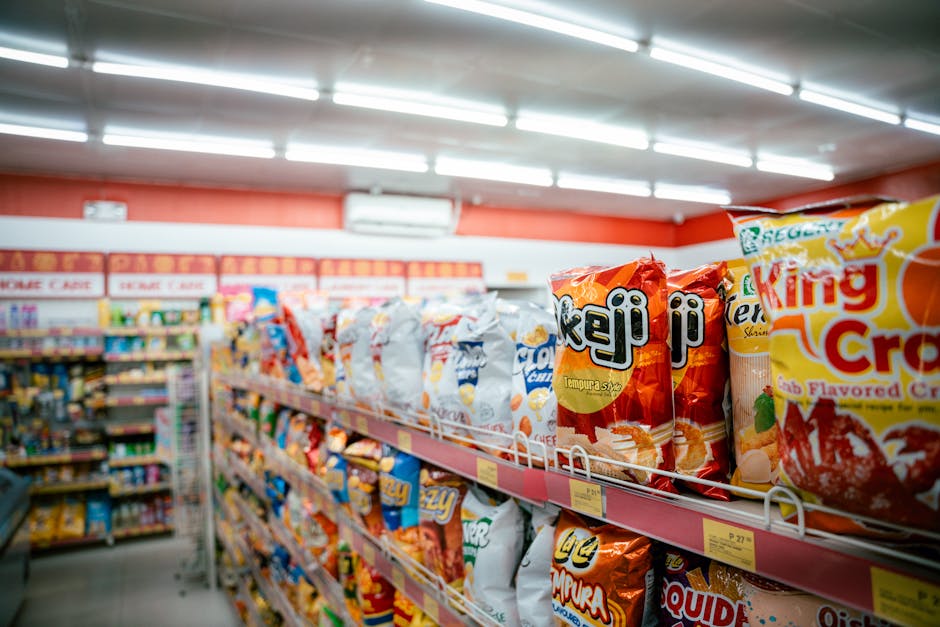
Consuming just 10% more ultra-processed foods in daily diet is associated with a 12% higher risk of cardiovascular disease and a 15% greater likelihood of cardiovascular death, according to a comprehensive analysis published by the European Society of Cardiology. These foods—ranging from packaged snacks and sugary cereals to ready-to-eat meals and processed meats—now make up over 50% of the average Western diet. The study, which tracked more than 200,000 individuals across multiple European countries for over a decade, reveals that those in the highest consumption group faced up to a 50% increased risk of coronary artery disease and atrial fibrillation. Despite widespread availability and aggressive marketing, including labels like ‘low-fat’ or ‘fortified with vitamins,’ these products are increasingly implicated in the global rise of chronic illnesses.
\n
The Hidden Toll of Convenience Eating

\n
The growing reliance on ultra-processed foods has coincided with rising rates of obesity, type 2 diabetes, and cardiovascular conditions worldwide. What sets these products apart is not just their nutritional poverty, but their engineered hyper-palatability—designed to override natural satiety signals and encourage overconsumption. A 2023 report from the World Health Organization highlighted that ultra-processed items often contain high levels of free sugars, sodium, trans fats, and artificial additives, while lacking fiber, protein, and essential micronutrients. As food environments shift toward industrialized supply chains, public health experts warn that dietary guidelines must evolve to address not just *what* people eat, but *how* their food is made. The ESC findings add urgency to calls for stricter labeling and regulatory policies aimed at curbing consumption.
\n
What Defines an Ultra-Processed Food?

\n
Ultra-processed foods are industrially formulated substances derived from natural ingredients but altered beyond recognition through processes like hydrogenation, extrusion, and chemical modification. According to the NOVA food classification system, widely used in nutritional epidemiology, these products include soft drinks, packaged cookies, instant noodles, reconstituted meat products, and many breakfast cereals—even those marketed as ‘natural’ or ‘organic.’ Researchers in the ESC study categorized foods based on ingredient lists and manufacturing methods, focusing on the presence of non-culinary additives such as emulsifiers, flavor enhancers, and preservatives. Participants whose diets consisted of more than 75% ultra-processed items were significantly more likely to develop hypertension, insulin resistance, and abnormal lipid profiles. Notably, the association remained strong even after adjusting for socioeconomic status, physical activity, and smoking.
\n
Metabolic Disruption and Chronic Inflammation

\n
The biological mechanisms behind the health risks are increasingly clear: ultra-processed foods disrupt gut microbiota, promote systemic inflammation, and impair metabolic regulation. A landmark 2019 clinical trial conducted by the National Institutes of Health demonstrated that individuals on an ultra-processed diet consumed approximately 500 more calories per day than those eating whole foods, despite meals being matched for macronutrients. Scientists attribute this to rapid eating speed, low satiety, and the neurobehavioral effects of flavor additives. Additionally, emulsifiers like carboxymethylcellulose and polysorbate-80—common in processed snacks and ice creams—have been shown in animal studies to damage the intestinal lining and trigger low-grade inflammation, a known precursor to atherosclerosis. These findings suggest that the harm extends beyond calorie count or nutrient imbalance.
\n
Who Is Most at Risk?

\n
The health consequences of ultra-processed food consumption do not affect all populations equally. Lower-income communities, particularly in urban settings, often face limited access to fresh produce and are disproportionately targeted by aggressive marketing of cheap, shelf-stable processed goods. Children are especially vulnerable; early exposure to sweetened cereals, flavored yogurts, and processed snacks can shape lifelong eating behaviors and increase the risk of early-onset metabolic disorders. Adolescents consuming high quantities of ultra-processed foods show higher rates of non-alcoholic fatty liver disease and elevated LDL cholesterol. Moreover, the convenience factor appeals strongly to time-pressed adults, making these foods a default choice despite growing awareness of their risks. Without structural changes in food policy and urban planning, experts warn the burden will continue to grow.
\n
Expert Perspectives
\n
While there is broad consensus on the harms of ultra-processed diets, experts differ on how best to respond. Dr. Maira Bes-Rastrollo, a nutritional epidemiologist at the University of Navarra, Spain, advocates for mandatory front-of-package warning labels, similar to those adopted in Chile and Uruguay. ‘We need transparent information so consumers can make informed choices,’ she says. Others, like Dr. Kevin Hall of the NIH, caution against oversimplification, noting that not all processed foods are equally harmful and that food processing has historically improved food safety and accessibility. Still, the collective evidence points to a need for redefining ‘healthy eating’ in the context of modern food science and industrial practices.
\n
Looking ahead, researchers are calling for longitudinal studies that examine the cumulative impact of ultra-processed food consumption across the lifespan. Policymakers may soon face pressure to restrict advertising, especially to children, and to incentivize the production of minimally processed alternatives. As the global food system evolves, one question remains urgent: can public health keep pace with the speed of industrial innovation?
Source: ScienceDaily