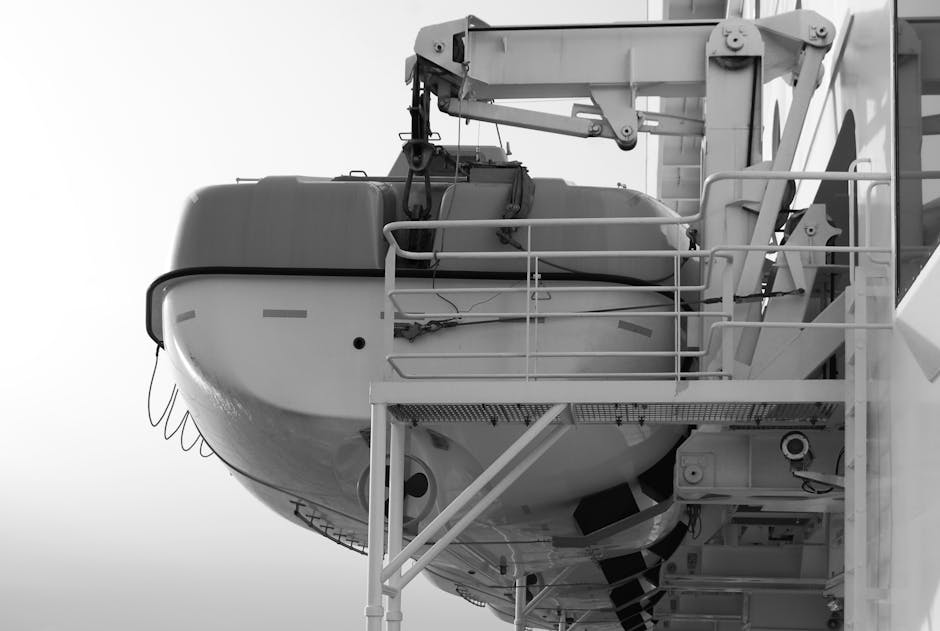
- A suspected hantavirus outbreak on the MV Celestia has led to a mobile quarantine zone in the Atlantic Ocean.
- The last passengers and crew members displaying flu-like symptoms disembarked in Gran Canaria under strict health protocols.
- One individual preliminarily tested positive for hantavirus, prompting an international health response.
- The ship is under the control of a 28-member decontamination crew trained in biohazard protocols.
- The MV Celestia is scheduled to sail to Rotterdam, despite concerns over the potential spread of hantavirus.
Under a pale Atlantic dawn, the MV Celestia slipped away from the port of Las Palmas like a ghost ship, its decks eerily vacant, its usual symphony of laughter and music replaced by silence. Only a skeleton crew remained aboard, shadows moving behind sealed windows as tugboats nudged the vessel into open water. Behind it, the Canary Islands receded into the mist—landscapes once associated with tourism and sunbathers now marked by medical alerts and containment zones. The ship, once a floating paradise, had become a mobile quarantine zone, suspected of harboring a rare but deadly pathogen: hantavirus. With no passengers remaining and health officials on high alert across Europe, the Celestia’s journey toward Rotterdam became less a voyage and more a controlled biological transfer.
Outbreak Response and Current Status

The last of the evacuees—passengers and crew displaying flu-like symptoms—disembarked in Gran Canaria over a 72-hour period under strict health protocols administered by Spanish and Dutch authorities. One individual, a 54-year-old Dutch national, tested preliminarily positive for hantavirus, according to the Netherlands’ National Institute for Public Health and the Environment (RIVM). While confirmation is pending through serological analysis, the case has triggered an international health response. The ship, operated by EuroCruise Lines, is now under the control of a 28-member decontamination crew trained in biohazard protocols. It is scheduled to arrive in Rotterdam in approximately five days, where it will enter a designated maritime quarantine dock for deep disinfection, guided by World Health Organization (WHO) guidelines for rodent-borne pathogens. The WHO notes that hantaviruses are primarily transmitted via aerosolized rodent excreta, making thorough sanitation critical.
Tracing the Outbreak’s Origins

The MV Celestia’s two-week Mediterranean cruise began in Barcelona on March 3, with planned stops in Naples, Malta, and the Canary Islands. By mid-March, several crew members reported fever, muscle aches, and shortness of breath—symptoms consistent with early hantavirus pulmonary syndrome (HPS). Initial suspicions pointed to foodborne illness, but when three staff from the galley fell severely ill, port medical teams escalated the investigation. Retrospective analysis revealed rodent activity in storage compartments near the lower decks, including gnawed packaging and excrement. Genetic sequencing of samples collected from the ship’s hold identified the presence of Dobrava-Belgrade virus, a strain of hantavirus known in parts of Southern Europe. Though rare, this strain can cause severe respiratory illness in humans. The Canary Islands’ government declared a health advisory on March 18, halting all disembarkation until rapid testing could be completed. This marked the first known instance of a commercial cruise vessel being linked to a hantavirus cluster.
Key Players in the Crisis

The response has been coordinated by a triad of agencies: EuroCruise Line’s crisis management team, Spain’s Ministry of Health, and the Dutch Center for Infectious Disease Control (LCI). Dr. Elara Mensdorff-Pouilly, head of outbreak response at RIVM, has emerged as a central figure, advocating for transparency and intergovernmental cooperation. Meanwhile, EuroCruise executives face mounting pressure to explain how routine pest inspections failed to detect rodent infestation prior to departure. Whistleblower reports from junior crew suggest that pest control logs were falsified to avoid port delays—a claim now under investigation by maritime regulators. Onboard medical staff, many of whom worked without proper personal protective equipment during the initial outbreak, have called for independent review of the company’s health protocols. Their accounts, shared anonymously with Reuters, describe a chain of miscommunication that delayed isolation procedures by nearly 48 hours.
Public Health and Industry Implications

The incident has far-reaching consequences for both public health and the cruise industry. Hantavirus, though not contagious between humans, poses a significant risk in confined, poorly ventilated environments where rodent exposure is possible. With over 30 million people expected to cruise in 2024, regulatory bodies are calling for mandatory biosecurity audits across the sector. The European Centre for Disease Prevention and Control (ECDC) has issued new guidance recommending routine environmental sampling for zoonotic pathogens on all vessels operating in high-risk regions. For EuroCruise, the financial and reputational toll could be severe—bookings for upcoming voyages have dropped by 40% in the past week. More critically, health officials warn that delayed detection on mobile platforms like ships could allow pathogens to spread across borders before containment begins.
The Bigger Picture
This episode underscores a growing vulnerability in global travel: the intersection of climate change, urbanized shipping, and emerging infectious diseases. Rodent populations are expanding into new territories due to warming temperatures and supply chain disruptions, increasing the likelihood of zoonotic spillover. Cruise ships, with their complex ecosystems of food storage, waste management, and human density, serve as potential amplifiers. As international health frameworks struggle to keep pace with mobile risk vectors, the Celestia’s journey becomes a case study in prevention failure—and a warning. The era of pathogen surveillance can no longer stop at airport thermometers; it must extend to the decks and holds of the vessels that connect continents.
What comes next is not just the disinfection of a ship, but a reassessment of how maritime travel manages biological risk. The MV Celestia will be scrubbed, inspected, and likely returned to service. But the questions it leaves in its wake—about accountability, preparedness, and the invisible threats lurking in global transit—will take far longer to resolve. As the North Sea awaits the arrival of a contaminated liner, the world watches, one breath at a time.
Source: The New York Times