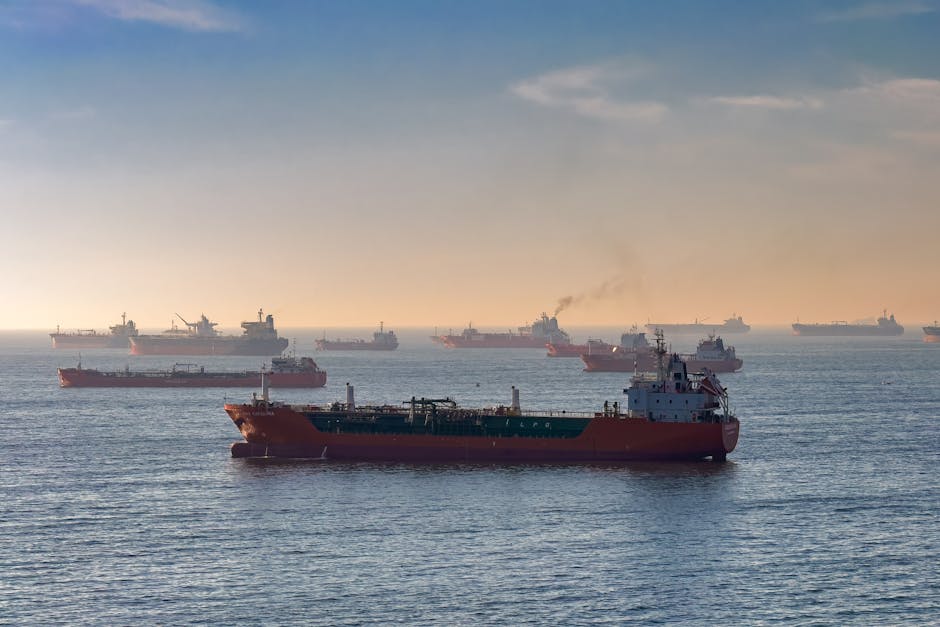
- French President Emmanuel Macron pushes for the reopening of the Strait of Hormuz to ease tensions between the US and Iran.
- The strait is a critical oil shipping route, with 20% of the world’s oil passing through it.
- Macron believes reopening the strait could help reduce tensions and facilitate negotiations between the two nations.
- The Strait of Hormuz closure would disrupt oil supplies and have far-reaching economic consequences.
- Macron’s proposal has sparked a mix of optimism and skepticism due to associated risks and challenges.
The Strait of Hormuz, a critical oil shipping route, has been at the center of heightened tensions between the United States and Iran. Recently, French President Emmanuel Macron has been pushing for the reopening of the strait, even before the formal end of the US-Iran conflict. This move is seen as an attempt to ease the escalating situation and prevent further escalation. According to reports, Macron believes that reopening the strait could help reduce tensions and create a more conducive environment for negotiations between the two nations. The strait, which connects the Persian Gulf to the Gulf of Oman, is a vital waterway for international oil trade, with approximately 20% of the world’s oil passing through it.
Background and Significance

The ongoing conflict between the US and Iran has significant implications for global oil markets and the broader Middle East region. The closure of the Strait of Hormuz would not only disrupt oil supplies but also have far-reaching economic consequences. As such, Macron’s proposal to reopen the strait has been met with a mix of optimism and skepticism. While some see it as a step in the right direction, others are concerned about the potential risks and challenges associated with such a move. The French president’s initiative highlights the complexities of the situation and the need for a multifaceted approach to resolve the conflict. For more information on the Strait of Hormuz, visit the Wikipedia page on the topic.
Key Developments and Players

Macron’s plan to reopen the Strait of Hormuz involves a series of diplomatic efforts, including negotiations with both the US and Iran. The French president has been in close contact with leaders from both countries, urging them to consider the proposal. Meanwhile, other European nations, such as Germany and the UK, have expressed support for the initiative, recognizing the need to reduce tensions in the region. However, the success of the plan depends on the willingness of the US and Iran to engage in constructive dialogue and make concessions. As reported by Reuters, the US has shown cautious optimism about the proposal, while Iran has been more reserved in its response.
Analysis and Implications

The potential reopening of the Strait of Hormuz has significant implications for global oil markets and the broader Middle East region. If successful, the move could help reduce tensions and create a more stable environment for international trade. However, there are also risks associated with the plan, including the potential for miscalculations or unforeseen consequences. Analysts point out that the situation is complex and multifaceted, requiring a nuanced approach that takes into account the interests and concerns of all parties involved. According to a report by the BBC, the US and Iran have been engaged in a war of words, with both sides accusing each other of aggression and provocation.
Regional and Global Consequences

The repercussions of the US-Iran conflict and the potential reopening of the Strait of Hormuz are far-reaching, affecting not only the Middle East region but also global oil markets and the international community. The situation has significant implications for countries that rely heavily on oil imports, such as China, Japan, and South Korea. Furthermore, the conflict has the potential to draw in other regional players, including Saudi Arabia and Israel, which could further escalate the situation. As noted by the Associated Press, the US has been working to build a coalition of nations to support its efforts in the region.
Expert Perspectives
Experts and analysts have weighed in on Macron’s proposal, offering varying perspectives on its potential success and implications. Some see the move as a positive step towards reducing tensions, while others are more skeptical, citing the complexities of the situation and the challenges of negotiating with Iran. According to Dr. Sanam Vakil, a specialist on Middle East politics at Chatham House, the proposal has the potential to create a more favorable environment for negotiations, but its success depends on the willingness of all parties to engage in constructive dialogue.
Looking ahead, the situation in the Middle East remains uncertain, with many questions still unanswered. Will the US and Iran be able to reach a negotiated settlement, and what role will the reopening of the Strait of Hormuz play in the process? As the situation continues to unfold, it is clear that a comprehensive and nuanced approach will be necessary to address the complex challenges and interests at stake. For the latest updates on the situation, visit the New York Times website.
Source: The New York Times