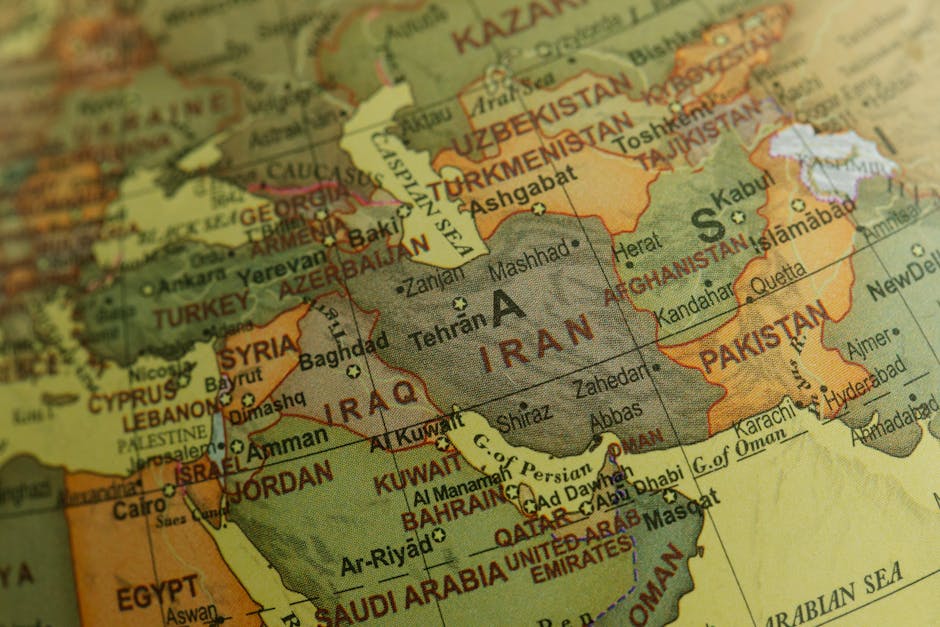
- The Strait of Hormuz is a critical shipping lane, with nearly a third of the world’s oil passing through it every day.
- The US has paused its efforts to guide ships through the strait due to concerns over safety and security.
- Iran has been seizing foreign vessels, including a British tanker, in recent weeks, escalating tensions with the US.
- The US has a naval presence in the region to ensure the free flow of traffic through the strait.
- The US is reassessing its strategy in the region due to Iran’s recent actions and rising tensions.
The question on everyone’s mind is: what’s happening in the Strait of Hormuz? The strategic waterway, which connects the Persian Gulf to the Gulf of Oman, has been a focal point of rising tensions between the US and Iran. With President Trump announcing that the US is pausing efforts to guide ships through the strait, which has been blocked by Iran, many are left wondering what this means for global trade and regional stability.
Understanding the Strait of Hormuz

The Strait of Hormuz is a critical shipping lane, with nearly a third of the world’s oil passing through it every day. The US has long considered it a vital interest to keep the strait open, and has maintained a naval presence in the region to ensure the free flow of traffic. However, with Iran’s recent actions, including the seizure of several foreign vessels, the US has been forced to reassess its strategy. According to a statement from the New York Times, the US is now pausing its efforts to guide ships through the strait, citing concerns over safety and security.
Evidence of Escalating Tensions

There is mounting evidence that tensions between the US and Iran are escalating. In recent weeks, Iran has seized several foreign vessels, including a British tanker, and has been accused of attacking several other ships in the region. The US has responded by deploying additional troops and military equipment to the region, and has imposed new sanctions on Iran. As reported by Reuters, the US has also been working to build a coalition of allies to help protect shipping in the region. However, with the US now pausing its efforts to guide ships through the strait, it remains to be seen how effective these efforts will be.
Counter-Perspectives and Criticisms

Not everyone agrees with the US decision to pause its efforts to guide ships through the strait. Some critics argue that the move is a sign of weakness, and will only embolden Iran to take further aggressive actions. Others argue that the US should be taking a more diplomatic approach, and working to negotiate a resolution to the crisis. As noted by BBC News, the European Union has called for calm and restraint, and has urged all parties to avoid taking any actions that could escalate the situation.
Real-World Impact

The real-world impact of the US decision to pause its efforts to guide ships through the strait is already being felt. Several major shipping companies have announced that they will be rerouting their vessels to avoid the strait, which will likely lead to increased costs and delays. Additionally, the price of oil has risen in response to the news, which could have a major impact on the global economy. According to a report by AP News, the US is working to mitigate the impact of the crisis, but it remains to be seen how effective these efforts will be.
What This Means For You
So what does this mean for the average person? In the short term, it’s likely that the crisis in the Strait of Hormuz will have a limited impact on daily life. However, if the situation continues to escalate, it could have major implications for the global economy and regional stability. As reported by The Guardian, the US is urging all citizens to remain vigilant and to stay informed about the situation.
As the situation in the Strait of Hormuz continues to unfold, one question remains: what’s next? Will the US and Iran be able to find a way to resolve their differences, or will the crisis continue to escalate? Only time will tell, but one thing is certain: the world will be watching with bated breath as this critical situation continues to develop.
Source: The New York Times