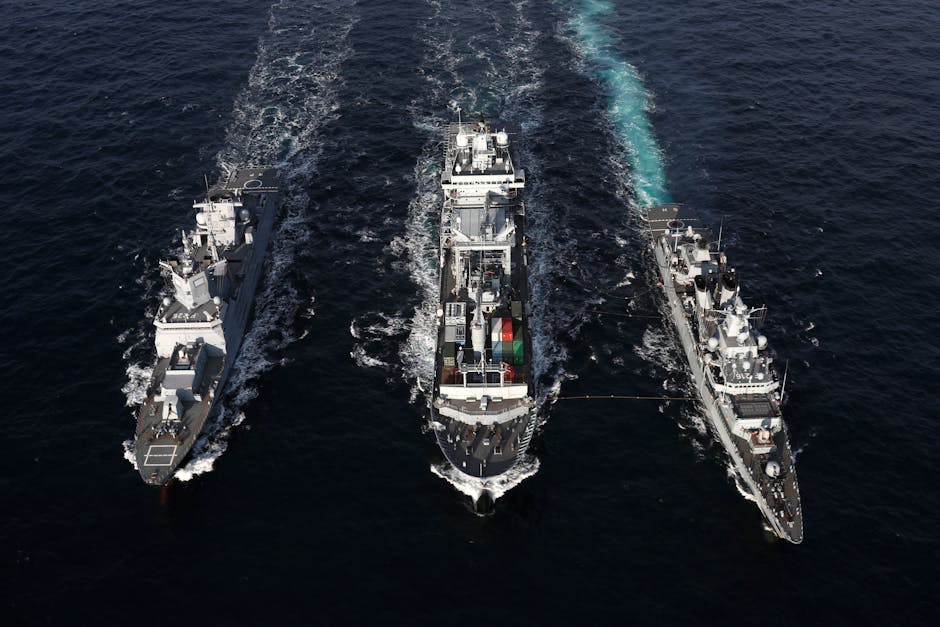
- US paused Strait of Hormuz escorts amid progress in Iran nuclear talks.
- Escorting ships through the strait was a response to oil tanker attacks blamed on Iran.
- Tensions between the US and Iran have been rising over the nuclear deal and sanctions.
- Iran agreed to return to the negotiating table, signaling a potential deal.
- The pause in escorts has significant implications for global oil markets.
The Strait of Hormuz, a critical waterway for international oil trade, has been at the center of rising tensions between the US and Iran. Recently, the Trump administration announced that it would pause its plan to escort ships through the strait, citing progress in negotiations with Iran over its nuclear program. This move has significant implications for global oil markets and the ongoing conflict between the two nations. According to reports, the decision to halt the escort plan was made in response to positive signals from Iran regarding a potential nuclear deal.
Background and Context

The US plan to escort ships through the Strait of Hormuz was initially announced in response to a series of attacks on oil tankers in the region, which the US blamed on Iran. The attacks led to a significant increase in tensions between the two nations, with the US imposing additional sanctions on Iran and Iran responding by enriching uranium beyond the limits set by the 2015 nuclear deal. However, in recent weeks, there have been signs that both sides are willing to negotiate, with Iran agreeing to return to the negotiating table and the US easing some of its sanctions. The pause in the escort plan is seen as a further sign of easing tensions.
Key Details and Players

The decision to pause the escort plan was reportedly made by President Trump himself, following consultations with his national security team. The plan had been widely criticized by other nations, including European allies, who argued that it would only serve to increase tensions in the region. The US has maintained a significant military presence in the region, with several warships and aircraft stationed in the Persian Gulf. The pause in the escort plan is seen as a sign that the US is willing to reduce its military footprint in the region, at least for the time being. However, the US has also made it clear that it will continue to monitor the situation closely and will not hesitate to take action if necessary.
Analysis and Implications

The pause in the escort plan has significant implications for global oil markets, as well as for the ongoing conflict between the US and Iran. The Strait of Hormuz is a critical waterway for international oil trade, with millions of barrels of oil passing through it every day. Any disruption to oil shipments through the strait could have significant consequences for the global economy. The pause in the escort plan is seen as a positive sign for oil markets, as it reduces the risk of further conflict in the region. However, the situation remains volatile, and any further escalation in tensions could have significant consequences for the global economy.
Regional and Global Implications

The pause in the escort plan also has significant implications for the region as a whole. The US has long been a major player in the Middle East, and its decision to reduce its military footprint in the region could have significant consequences for the balance of power in the region. The move is seen as a sign that the US is willing to give diplomacy a chance, at least for the time being. However, the situation remains complex, and any further escalation in tensions could have significant consequences for the region. The international community has welcomed the pause in the escort plan, with many nations calling for a peaceful resolution to the conflict.
Expert Perspectives
Experts have welcomed the pause in the escort plan, with many seeing it as a positive sign for the region. However, some have also warned that the situation remains volatile, and that any further escalation in tensions could have significant consequences. According to analysts at the Brookings Institution, the pause in the escort plan is a sign that the US is willing to give diplomacy a chance, but that the situation remains complex and uncertain. Others have argued that the move is a sign of weakness on the part of the US, and that it could embolden Iran to take further action.
As the situation continues to unfold, it remains to be seen what the long-term implications of the pause in the escort plan will be. The US has made it clear that it will continue to monitor the situation closely, and that it will not hesitate to take action if necessary. However, for now, the pause in the escort plan is seen as a positive sign for the region, and a sign that diplomacy may yet prevail. The international community will be watching the situation closely in the coming weeks and months, as the US and Iran continue to negotiate and the situation in the Strait of Hormuz continues to evolve.
Source: CNBC