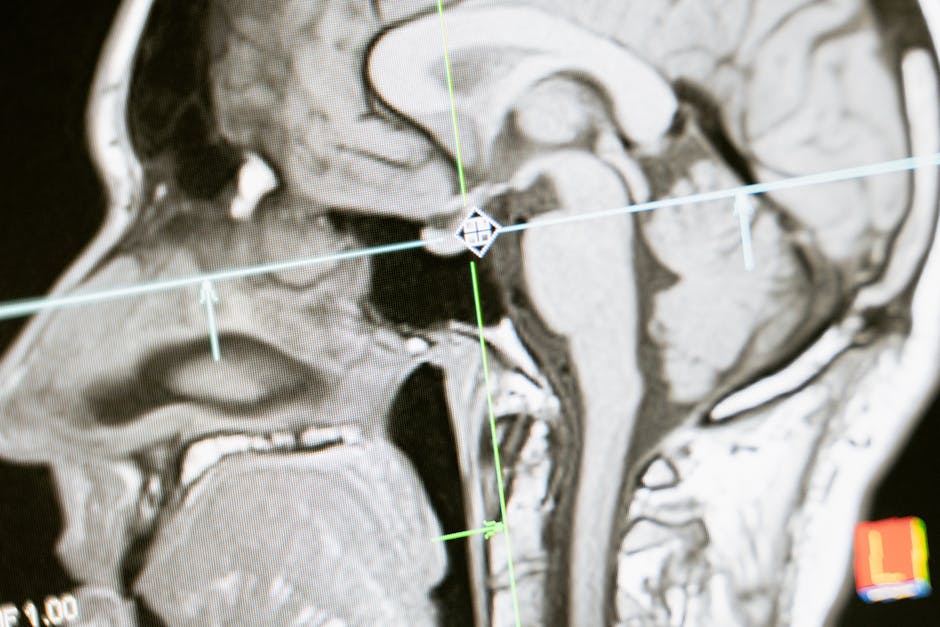
- Daytime sleep-like brain waves, also known as slow-wave oscillations, are linked to attention lapses in ADHD.
- Individuals with ADHD exhibit more prevalent slow-wave oscillations during periods of attentional demand.
- Reduced cortical excitability is thought to be the underlying cause of impaired attentional processing in ADHD.
- The association between slow-wave oscillations and ADHD is particularly pronounced, requiring further investigation.
- Understanding the neural basis of ADHD could lead to the development of novel therapeutic strategies.
As researchers continue to unravel the complexities of attention deficit hyperactivity disorder (ADHD), a new question has emerged: what role do daytime sleep-like brain waves play in attention lapses associated with the condition? This query has sparked intense interest in the scientific community, with many seeking to understand the underlying mechanisms that contribute to the characteristic attention deficits seen in individuals with ADHD. The answer to this question has significant implications for the development of novel therapeutic strategies and a deeper understanding of the neural basis of ADHD.
Uncovering the Neural Correlates of Attention Lapses

Recent studies have provided a direct answer to this question, suggesting that daytime sleep-like brain waves, also known as slow-wave oscillations, are indeed linked to attention lapses in ADHD. These brain waves, typically associated with sleep and relaxation, have been found to be more prevalent in individuals with ADHD during periods of attentional demand. This phenomenon is thought to reflect a state of reduced cortical excitability, leading to impaired attentional processing and increased distractibility. According to research published in Nature, this association is particularly pronounced in individuals with ADHD, highlighting the need for further investigation into the neural mechanisms underlying this relationship.
Evidence from Neurophysiological Studies

A wealth of data from neurophysiological studies supports the notion that daytime sleep-like brain waves contribute to attention lapses in ADHD. For example, electroencephalography (EEG) studies have consistently shown that individuals with ADHD exhibit increased slow-wave activity during tasks requiring sustained attention. Furthermore, research highlighted on ScienceDaily has demonstrated that this increased slow-wave activity is associated with poorer attentional performance and increased symptoms of ADHD. Quotes from leading researchers in the field, such as “The presence of slow-wave oscillations during attentional tasks is a hallmark of ADHD,” underscore the significance of this finding and emphasize the need for continued research into the neural correlates of attention lapses.
Counter-Perspectives and Alternative Views

While the link between daytime sleep-like brain waves and attention lapses in ADHD is compelling, not all researchers agree on the underlying mechanisms. Some skeptics argue that the relationship between slow-wave oscillations and attentional deficits may be more complex, involving multiple neural systems and processes. Alternative views suggest that other factors, such as cognitive load or emotional arousal, may also contribute to attention lapses in ADHD. For instance, an article in The New York Times highlighted the potential role of stress and anxiety in exacerbating attentional deficits in individuals with ADHD. These counter-perspectives underscore the need for continued research and debate in the field, as a comprehensive understanding of the neural basis of ADHD remains an elusive goal.
Real-World Impact and Implications

The discovery of a link between daytime sleep-like brain waves and attention lapses in ADHD has significant real-world implications. For individuals with ADHD, this knowledge may lead to the development of novel therapeutic strategies, such as neurofeedback training or cognitive-behavioral therapies, aimed at reducing slow-wave oscillations and improving attentional functioning. Moreover, this research may also inform the development of more effective diagnostic tools, enabling earlier and more accurate identification of ADHD. As the Centers for Disease Control and Prevention (CDC) note, the prevalence of ADHD is increasing, highlighting the need for continued research into the causes and consequences of this condition.
What This Means For You
For individuals with ADHD, as well as their families and caregivers, this research offers a practical takeaway: attention lapses are not simply a matter of motivation or willpower, but rather a complex neurobiological phenomenon. By recognizing the role of daytime sleep-like brain waves in attentional deficits, individuals with ADHD may be able to better manage their symptoms and develop more effective coping strategies. Additionally, this knowledge may also reduce stigma and promote greater understanding and empathy for those affected by ADHD.
As researchers continue to explore the neural basis of ADHD, an open question remains: how can we harness this knowledge to develop more effective treatments and improve the lives of individuals with ADHD? Further investigation into the relationship between daytime sleep-like brain waves and attention lapses is needed, as well as a deeper understanding of the complex interplay between neural systems and processes that contribute to this condition. By pursuing this line of inquiry, scientists may uncover new avenues for therapeutic intervention and ultimately improve the outcomes for individuals with ADHD.
Source: Psypost