- ADHD is not a single disorder, but a complex condition comprising three distinct subtypes with unique brain activity patterns.
- A newly identified subtype of ADHD is marked by heightened impulsivity, emotional volatility, and disrupted self-regulation, affecting nearly one-third of ADHD patients.
- Standard stimulant medications may not be effective for individuals with this extreme form of ADHD, highlighting the need for personalized treatment approaches.
- The discovery of ADHD subtypes offers a biological framework for a condition previously defined by symptoms alone, revolutionizing the field of psychiatric neuroscience.
- Machine learning analysis of neuroimaging data has revealed the underlying brain connectivity patterns driving ADHD subtypes, paving the way for more accurate diagnosis and treatment.
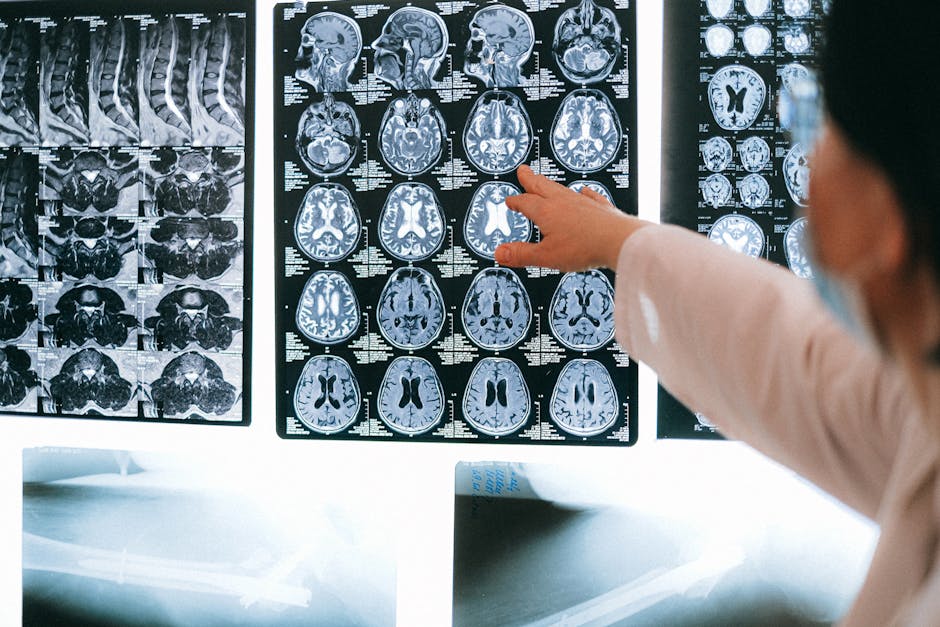
For decades, attention-deficit/hyperactivity disorder (ADHD) has been diagnosed through behavioral checklists and subjective evaluations, often leading to inconsistent treatment outcomes. Now, a groundbreaking study using functional MRI scans has revealed that ADHD is not a single disorder but comprises three distinct subtypes—each with unique brain activity patterns. Most striking is a newly identified subtype marked by heightened impulsivity, emotional volatility, and disrupted connectivity in brain regions governing self-regulation. This extreme form affects nearly one-third of ADHD patients in the study and may explain why some individuals fail to respond to standard stimulant medications. The discovery, published in Nature Neuroscience, marks a turning point in psychiatric neuroscience, offering a biological framework for a condition long defined by symptoms alone.
Why This Changes ADHD Diagnosis

Until now, ADHD has been classified primarily by symptom clusters: inattentive, hyperactive-impulsive, or combined types—categories defined by the DSM-5. However, these labels have limited predictive power for treatment response. The new research, led by scientists at Radboud University Medical Center in the Netherlands, analyzed brain connectivity patterns in over 1,200 adolescents and adults with ADHD using resting-state functional MRI. By applying machine learning to neuroimaging data, researchers identified three reproducible subtypes that cut across traditional diagnostic boundaries. Crucially, these subtypes correlated with specific behavioral profiles and treatment outcomes. This shift from behavior-based to biology-based classification could end decades of trial-and-error prescribing and reduce misdiagnosis, particularly in adults and females, who often present with subtler symptoms. The study underscores a growing movement in psychiatry to define mental disorders by neural circuitry rather than observable behavior.
The Three ADHD Subtypes Uncovered

The first subtype, labeled “Cognitive-Regulatory,” is characterized by underactivity in the dorsolateral prefrontal cortex, a region tied to working memory and executive function. Patients in this group struggle primarily with focus and planning but show relatively stable emotional regulation. The second, “Motivational-Drive,” involves disrupted connectivity in the ventral striatum and orbitofrontal cortex, brain areas linked to reward processing. These individuals respond poorly to delayed gratification and exhibit chronic procrastination. The third and most severe subtype, “Emotional-Instability,” shows marked dysfunction in the amygdala-prefrontal circuitry, resulting in impulsive outbursts, mood swings, and heightened sensitivity to rejection. This group had the lowest response rate to methylphenidate (Ritalin), with only 40% showing symptom improvement compared to over 70% in the other two groups. Notably, this subtype overlaps significantly with traits seen in borderline personality and bipolar disorders, suggesting potential diagnostic confusion in clinical settings.
Root Causes and Neurobiological Mechanisms

Researchers suggest these subtypes arise from early developmental disruptions in different neural networks. The Emotional-Instability subtype appears linked to altered dopamine and serotonin signaling, particularly in limbic circuits, which may be influenced by both genetic predisposition and early-life stress. Genome-wide association studies referenced in the paper point to variants in the SLC6A3 and COMT genes, which regulate dopamine transport and breakdown. In contrast, the Cognitive-Regulatory subtype correlates more strongly with prenatal factors like maternal smoking and low birth weight. The study also found that childhood trauma was disproportionately reported in the Emotional-Instability group, suggesting a gene-environment interaction. These findings align with broader research in developmental psychopathology, which emphasizes that mental disorders emerge from cumulative biological and environmental risks rather than single causes.
Implications for Patients and Clinicians

The identification of biologically distinct ADHD subtypes has immediate implications for treatment personalization. Currently, stimulant medications are prescribed broadly, despite only 60–70% of patients benefiting. The Emotional-Instability subtype may respond better to non-stimulant drugs like guanfacine or mood stabilizers, while cognitive-behavioral therapy targeting emotional regulation could be more effective than standard ADHD coaching. For children, early subtype identification might prevent academic failure and social isolation. Insurance providers and healthcare systems may eventually require neuroimaging for ADHD diagnosis, though accessibility remains a barrier. Critics warn against overmedicalization, but proponents argue that biological subtyping reduces stigma by framing ADHD as a neurodevelopmental condition, not a behavioral flaw.
Expert Perspectives
Dr. Helen Mayberg, a neurologist at Mount Sinai School of Medicine not involved in the study, called the findings “a paradigm shift in neuropsychiatry.” She noted that “finally, we’re seeing psychiatric disorders through the lens of brain circuits, not just symptoms.” However, Dr. Thomas Insel, former director of the National Institute of Mental Health, urged caution: “While fMRI subtypes are promising, we’re not ready to replace clinical assessment with brain scans. We need larger longitudinal studies to confirm stability and treatment response.” Some psychologists also warn that neuroimaging could deepen health disparities if only wealthy patients gain access to precision diagnosis.
Looking ahead, researchers plan to validate these subtypes in diverse populations and younger children. Clinical trials are already being designed to match treatments to brain profiles. The ultimate goal is a diagnostic toolkit combining genetic testing, digital behavior tracking, and neuroimaging to guide therapy. As science moves beyond one-size-fits-all psychiatry, ADHD may become one of the first mental disorders redefined by biology—ushering in a new era of precision mental health.
Source: Washingtonpost