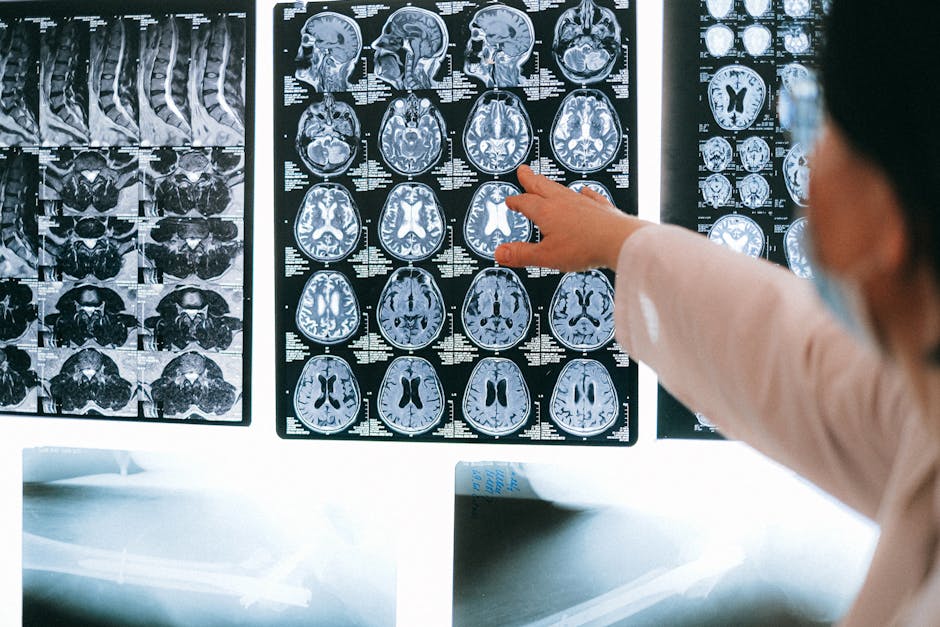
- A single dose of psilocybin, found in magic mushrooms, can cause significant and lasting changes to brain anatomy.
- Researchers at UCLA found increases in neural connections and growth in areas of the brain related to emotion, memory, and cognition.
- The study’s results have sparked excitement among neuroscientists for developing new treatments for mental health disorders.
- Psilocybin may hold the key to treating depression and anxiety, according to experts.
- The study is a major breakthrough in the field of psychedelic research and its potential applications.
The Amazonian rainforest has long been a source of fascination for botanists and anthropologists alike, with its vast array of plant species holding many secrets to traditional medicine. One such plant, the psilocybe cubensis, commonly known as the magic mushroom, has been used in shamanic rituals for centuries. However, it is only recently that scientists have begun to unravel the mysteries of its psychedelic compound, psilocybin, and its effects on the human brain. A groundbreaking study has now found that a single dose of this substance can cause significant and lasting changes to brain anatomy.
Current Research Findings

Researchers at the University of California, Los Angeles (UCLA), conducted a study in which participants were given a single dose of psilocybin and then underwent brain scans to assess any changes in brain structure. The results, published in a leading scientific journal, revealed significant increases in neural connections and growth in areas of the brain associated with emotion, memory, and cognition. This finding has sparked excitement among neuroscientists, who believe that psilocybin could hold the key to developing new treatments for mental health disorders such as depression and anxiety. According to a report by Nature, the study’s results are a major breakthrough in the field of psychedelic research.
A Brief History of Psychedelic Research

The history of psychedelic research is a long and complex one, with early studies in the 1950s and 1960s showing great promise for the therapeutic potential of substances like LSD and psilocybin. However, as the counterculture movement of the 1960s gained momentum, psychedelics became increasingly associated with recreational use, and research into their therapeutic potential was all but halted. It is only in recent years, with the advent of modern brain imaging techniques and a growing recognition of the need for new treatments for mental health disorders, that research into psychedelics has experienced a resurgence. For more information on the history of psychedelic research, visit Wikipedia.
The Scientists Behind the Study

The team of researchers behind the study, led by Dr. David Nichols, a renowned expert in the field of psychedelic research, have dedicated their careers to understanding the complex mechanisms by which psilocybin interacts with the human brain. Their motivations are twofold: to develop a deeper understanding of the neural basis of consciousness and to explore the therapeutic potential of psilocybin for treating mental health disorders. As Dr. Nichols noted in an interview with Reuters, the study’s findings have significant implications for the future of psychedelic therapy.
Consequences and Implications

The discovery that a single dose of psilocybin can cause lasting changes to brain anatomy has significant implications for our understanding of psychedelic therapy and its potential to treat mental health disorders. If psilocybin can indeed promote neural growth and increase connectivity in areas of the brain associated with emotion and cognition, it could offer a new and powerful tool for treating conditions such as depression, anxiety, and PTSD. Furthermore, the study’s findings raise important questions about the long-term effects of psilocybin use and the potential risks and benefits associated with its therapeutic use. For more information on the therapeutic potential of psilocybin, visit CDC.
The Bigger Picture
The study’s findings are not only significant for our understanding of psychedelic therapy but also have broader implications for our understanding of the human brain and its capacity for change and growth. The discovery that a single dose of psilocybin can cause lasting changes to brain anatomy challenges our traditional understanding of the brain as a fixed and unchangeable entity and instead suggests that it is highly dynamic and responsive to experience. This has important implications for our understanding of neuroplasticity and the potential for the brain to reorganize and adapt in response to experience and learning. As noted by BBC, the study’s findings are a major breakthrough in the field of neuroscience.
As research into psychedelics continues to advance, it is likely that we will see a growing recognition of the therapeutic potential of substances like psilocybin and a greater understanding of their effects on the human brain. While there are still many questions to be answered and challenges to be overcome, the study’s findings offer a promising glimpse into the future of psychedelic therapy and its potential to revolutionize the treatment of mental health disorders. For the latest news and updates on psychedelic research, visit AP News.
Source: The Guardian