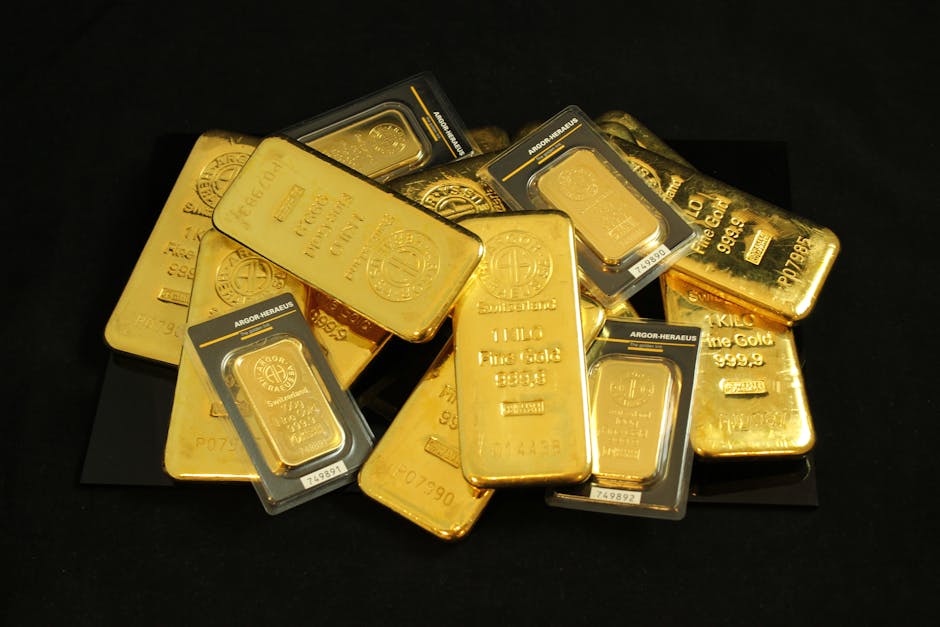
- Hungary returned 5 tons of gold to Ukraine, marking a significant gesture of goodwill in diplomatic relations.
- The transfer was conducted with military precision and observed by representatives from both nations.
- The assets were initially confiscated in October 2023 due to alleged customs documentation issues.
- Hungary’s decision to return the assets is seen as a step towards reweaving trust between the two neighbors.
- The move comes amid rising diplomatic calm following months of negotiations mediated by EU and NATO envoys.
In the quiet predawn chill of Ferihegy International Airport, under the dim glow of tarmac lights, a high-security convoy rolled slowly toward a Ukrainian military cargo plane. Diplomats in dark overcoats exchanged terse nods; no smiles, but a palpable easing of tension hung in the air. Inside sealed vaults were five tons of gold bullion and armored cases containing $23 million in U.S. dollars—assets once seized by Hungarian authorities in a move that nearly ignited a diplomatic firestorm. Now, they were being returned, piece by piece, in a gesture both symbolic and strategic. The transfer, conducted with military precision and observed by representatives from both nations, marked not just the restitution of property, but the fragile reweaving of trust between two neighbors long divided by politics, history, and war.
Assets Returned Amid Rising Diplomatic Calm

Hungary has officially repatriated approximately five tons of Ukrainian gold and a substantial sum in foreign currency, following months of negotiations mediated by EU and NATO envoys. The assets, initially confiscated in October 2023 when Ukrainian officials attempted to transport them through Budapest without full customs documentation, had sparked a sharp rebuke from Kyiv, which labeled the seizure as “unlawful and politically motivated.” Hungarian authorities at the time claimed the shipment violated EU financial regulations and raised concerns about potential sanctions evasion. However, after a joint investigation with Ukrainian and European bodies confirmed the gold’s legitimacy as state reserves, Budapest reversed course. The return was formalized during a closed-door ceremony at the airport, with Hungary’s Foreign Minister Péter Szijjártó stating that the decision was made “in the spirit of solidarity and regional stability.” Ukraine’s Deputy Foreign Minister, Emine Dzheppa, acknowledged the gesture as a “step toward normalization” of bilateral relations.
The Road to the Seizure and Its Fallout

The confiscation stemmed from a high-stakes moment in Ukraine’s wartime logistics. In late 2023, as Kyiv sought to diversify the storage of its national reserves amid ongoing Russian attacks, Ukrainian officials arranged to transfer part of their gold holdings through Hungary en route to a secure vault in Switzerland. The shipment, carried in diplomatic cargo, lacked complete paperwork required under EU anti-money laundering directives—a lapse Hungarian customs officials exploited or, as some suggest, weaponized. Prime Minister Viktor Orbán’s government, long criticized for its ambivalent stance toward Russia and reluctance to fully support Kyiv, faced immediate backlash. Ukraine suspended several bilateral cooperation agreements, and EU leaders expressed concern over the precedent of one member state impounding another’s sovereign assets. The European Commission launched a probe into whether Hungary had overstepped its authority, citing potential breaches of internal market rules.
Key Players and Shifting Allegiances

The reversal reflects a recalibration of Hungary’s foreign policy under growing pressure from both Brussels and Kyiv. Viktor Orbán, long seen as Europe’s most prominent Russia-skeptic nationalist, has faced increasing isolation within the EU over his refusal to support military aid packages for Ukraine and his maintenance of energy ties with Moscow. Yet, with Hungary set to lose billions in EU funding over rule-of-law disputes, Budapest appears to be making strategic concessions to avoid further penalties. Meanwhile, Ukrainian President Volodymyr Zelenskyy’s administration has prioritized securing international goodwill, especially amid faltering Western military support. Advisors close to Zelenskyy viewed the gold dispute not merely as a legal issue but as a test of European solidarity. The return of the assets, while not erasing deep-seated mistrust, offers both leaders a face-saving resolution—one that allows Orbán to appear cooperative without fully aligning with EU consensus, and Zelenskyy to claim a diplomatic victory.
Regional and Strategic Consequences

The restitution carries implications beyond bilateral ties. For NATO and the EU, it reaffirms the principle that member states cannot unilaterally seize the sovereign property of allies, even during wartime. It also underscores the challenges of enforcing unity among members with divergent geopolitical interests. Eastern European nations like Poland and the Baltic states, staunch supporters of Ukraine, welcomed the decision as a necessary correction. However, analysts warn that Hungary’s initial seizure may have exposed vulnerabilities in wartime asset movement and could encourage similar actions if tensions escalate. Economically, the return bolsters Ukraine’s ability to leverage its gold reserves for international loans and financial stability. For Hungary, the move may soften Brussels’ stance in ongoing funding negotiations, though skepticism remains about the durability of its alignment with EU foreign policy.
The Bigger Picture
This episode is less about gold than about power, trust, and the fragile architecture of alliance. In a continent still reeling from the shock of full-scale war, every diplomatic gesture is scrutinized for what it reveals about commitment and cohesion. Hungary’s decision to return the assets does not absolve its earlier stance, but it signals that even the most defiant members of the European order are not immune to collective pressure. As the war in Ukraine enters its third year, such moments of recalibration—however small—may prove essential in maintaining a unified front.
What comes next remains uncertain. While the immediate crisis has passed, underlying tensions between Hungary and Ukraine persist. Orbán’s government continues to resist deeper integration with EU defense initiatives, and Kyiv remains wary of Budapest’s overtures to Moscow. Yet the successful resolution of this dispute offers a template for de-escalation—one where diplomacy, however reluctantly applied, can still reclaim what brinkmanship nearly lost.
Source: Politico