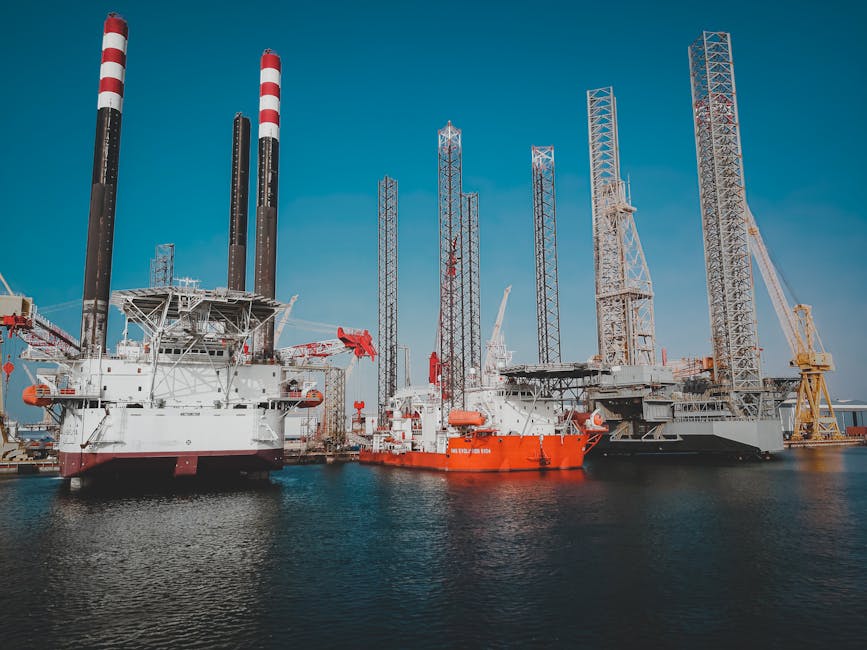
- Oil prices surged 6% after Iran’s military attack on the UAE’s oil port, with Brent crude reaching over $70 a barrel.
- The assault on the Strait of Hormuz has heightened tensions and raised concerns about global oil supply security.
- The US and its allies have condemned the attack, deploying additional warships to the region.
- The UAE has vowed to retaliate, warning of a potential escalation in the conflict.
- Oil prices are expected to remain volatile as the situation continues to unfold in the Middle East.
The sun was setting over the Strait of Hormuz as flames engulfed the UAE’s oil port, sending plumes of black smoke into the air. The sound of explosions and gunfire filled the night, as Iran’s military struck vessels and infrastructure in the strategic waterway. The attack, which began at dawn, had been anticipated by some, but its ferocity and scale caught many off guard. As news of the assault spread, oil prices jumped 6%, with Brent crude soaring to over $70 a barrel, its highest level in months.
Escalating Tensions in the Region

The current situation in the Strait of Hormuz is one of heightened tension and uncertainty. Iran’s attack on the UAE oil port and vessels has raised concerns about the security of global oil supplies and the potential for further escalation. The US and its allies have condemned the attack, with the US Navy deploying additional warships to the region. The UAE has vowed to retaliate, while Iran has warned of further action if its interests are threatened. As the situation continues to unfold, oil prices are likely to remain volatile, with traders and investors closely watching developments in the region.
A History of Conflict

The roots of the current conflict in the Strait of Hormuz can be traced back to the Iranian Revolution of 1979, which saw the overthrow of the US-backed Shah and the establishment of an Islamic republic. Since then, Iran has been at odds with the US and its allies, with tensions escalating in recent years over issues such as nuclear proliferation and regional influence. The Strait of Hormuz, which connects the Persian Gulf to the Arabian Sea, has long been a flashpoint, with Iran threatening to block the waterway in response to US sanctions and other forms of pressure. The history of US-Iran relations is complex and fraught, with periods of relative calm punctuated by episodes of intense conflict.
The Key Players

The individuals and groups shaping the current conflict in the Strait of Hormuz are motivated by a complex array of interests and ideologies. Iranian Supreme Leader Ali Khamenei has been a key driver of the country’s aggressive stance, while US President Joe Biden has faced pressure from lawmakers and allies to take a tough line against Tehran. The UAE, which has long been a close ally of the US, has its own interests in the region, including a desire to protect its oil exports and maintain stability in the face of Iranian expansionism. As the situation continues to evolve, these players will be closely watched, with their actions and decisions likely to have far-reaching consequences.
Consequences of the Conflict

The consequences of the conflict in the Strait of Hormuz are already being felt, with oil prices surging and global markets reacting to the uncertainty and instability. The impact on the global economy could be significant, with higher oil prices potentially slowing growth and increasing inflation. The humanitarian consequences of the conflict are also a concern, with the potential for civilian casualties and displacement. As the situation continues to unfold, stakeholders will be watching closely, with a hope that a peaceful resolution can be found before the conflict escalates further.
The Bigger Picture
The conflict in the Strait of Hormuz is part of a larger geopolitical landscape, with implications for global stability and security. The Middle East has long been a region of tension and conflict, with the US, Iran, and other powers vying for influence. The current situation is a reminder of the complex and interconnected nature of global politics, with events in one region having the potential to impact others. As the world watches the situation in the Strait of Hormuz, it is clear that the consequences of the conflict will be far-reaching and profound.
The coming days and weeks will be critical in determining the trajectory of the conflict in the Strait of Hormuz. As tensions continue to escalate, the potential for further violence and instability is high. The international community will be watching closely, with a hope that a peaceful resolution can be found before the conflict spirals out of control. One thing is certain, however: the situation in the Strait of Hormuz will have far-reaching consequences, shaping the course of global politics and economies for years to come.
Source: Reuters