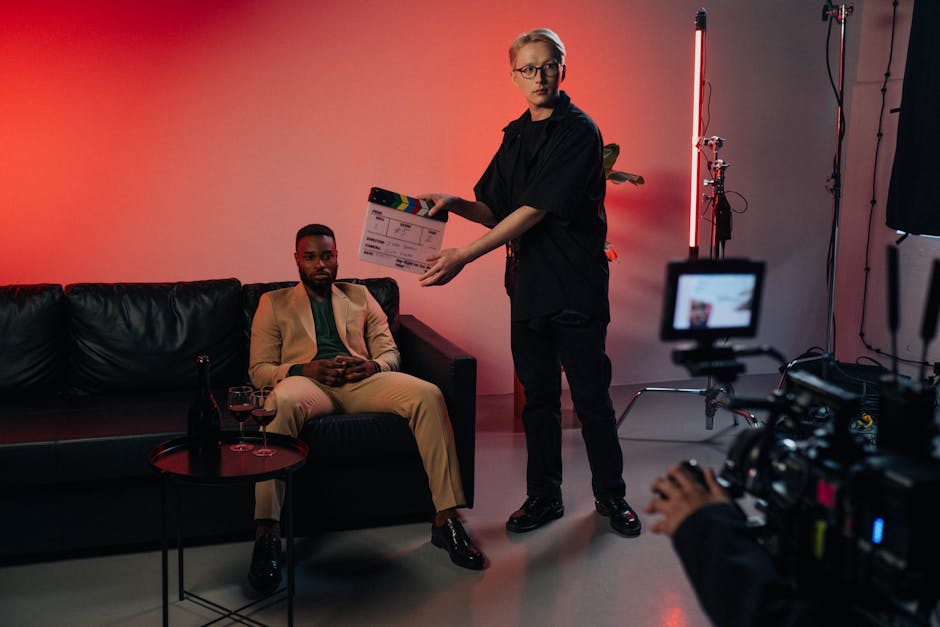
- TV and film portrayals of autism often rely on outdated and stereotypical representations that do not accurately represent the diverse experiences of people on the autism spectrum.
- Autistic individuals feel a sense of isolation and disconnection when they see inaccurate portrayals of autism in media, leading to delayed diagnosis and misunderstanding of the condition.
- Research suggests that stereotypes of autism in TV and film may be linked to delayed diagnosis, as they perpetuate a narrow and misleading understanding of the condition.
- Autistic characters in media are frequently depicted as being exceptionally intelligent, yet struggling with social interactions, which is not a typical representation of autism.
- Media portrayals of autism should strive to provide a nuanced and realistic representation of the condition, rather than relying on outdated stereotypes.
The lights dim in a movie theater, and the audience is transported to a world where autism is portrayed as a fascinating, yet debilitating condition. Actors don the mask of a socially awkward, yet brilliant mind, and the crowd is captivated by the performance. But for many autistic individuals, this portrayal is not only inaccurate but also damaging. Research suggests that stereotypes of autism in TV and film may be linked to delayed diagnosis, as they perpetuate a narrow and misleading understanding of the condition.
Current State of Autism Portrayals in Media

Studies have shown that TV and film portrayals of autism often rely on outdated and stereotypical representations. Characters with autism are frequently depicted as being exceptionally intelligent, yet struggling with social interactions. While these traits may be present in some autistic individuals, they do not accurately represent the diverse experiences of people on the autism spectrum. Researchers found that these portrayals were designed to be immediately identifiable to non-autistic viewers, rather than providing a nuanced and realistic representation of autism. As a result, autistic participants felt that they were not relatable to autistic people themselves, leading to a sense of isolation and disconnection.
A Historical Context of Autism Representation

The portrayal of autism in media has a long and complex history. In the past, autistic characters were often depicted as being ‘other,’ with their condition being used as a plot device to advance the story. The release of the film Rain Man in 1988 marked a significant turning point in autism representation, as it brought the condition into the mainstream consciousness. However, this film also perpetuated the stereotype of the autistic savant, which has been widely criticized for being inaccurate and misleading. Since then, there have been efforts to improve representation, but much work remains to be done to provide a realistic and nuanced portrayal of autism.
The People Behind the Portrayals

So, who is shaping the portrayal of autism in TV and film? The answer lies with the writers, directors, and actors who bring these characters to life. While some may have the best of intentions, others may be driven by a desire to create a compelling narrative, rather than an accurate representation. Autistic individuals and advocacy groups are increasingly speaking out against these stereotypes, calling for greater diversity and representation in media. By involving autistic people in the creative process, filmmakers can ensure that their portrayals are respectful, accurate, and relatable to autistic audiences.
Consequences of Inaccurate Portrayals

The consequences of inaccurate portrayals of autism in TV and film are far-reaching. Not only do they perpetuate negative stereotypes and stigma, but they also contribute to delayed diagnosis and inadequate support for autistic individuals. By relying on outdated and stereotypical representations, media outlets may inadvertently create a barrier to understanding and acceptance. As a result, autistic people may feel like they do not fit into the narrow definition of autism presented in media, leading to a sense of confusion and disconnection. Furthermore, delayed diagnosis can have serious consequences, including inadequate support and accommodations, which can impact an individual’s quality of life.
The Bigger Picture
The issue of autism representation in media is part of a larger conversation about diversity and inclusion. As our understanding of autism and other neurodevelopmental disorders evolves, it is essential that our media representations keep pace. By providing a nuanced and realistic portrayal of autism, filmmakers can help to break down barriers and promote greater understanding and acceptance. This, in turn, can have a positive impact on autistic individuals, their families, and society as a whole. As the Centers for Disease Control and Prevention continues to work towards a better understanding of autism, it is essential that media outlets do the same.
As we move forward, it is essential that we prioritize accuracy and representation in media portrayals of autism. By doing so, we can work towards a future where autistic individuals are valued, respected, and empowered to reach their full potential. The conversation around autism representation is ongoing, and it is up to us to ensure that it is informed, respectful, and inclusive. As we strive for a more nuanced understanding of autism, we must also recognize the importance of representation and diversity in media, and work towards a future where all individuals can see themselves reflected in the stories that are told.
Source: Stir