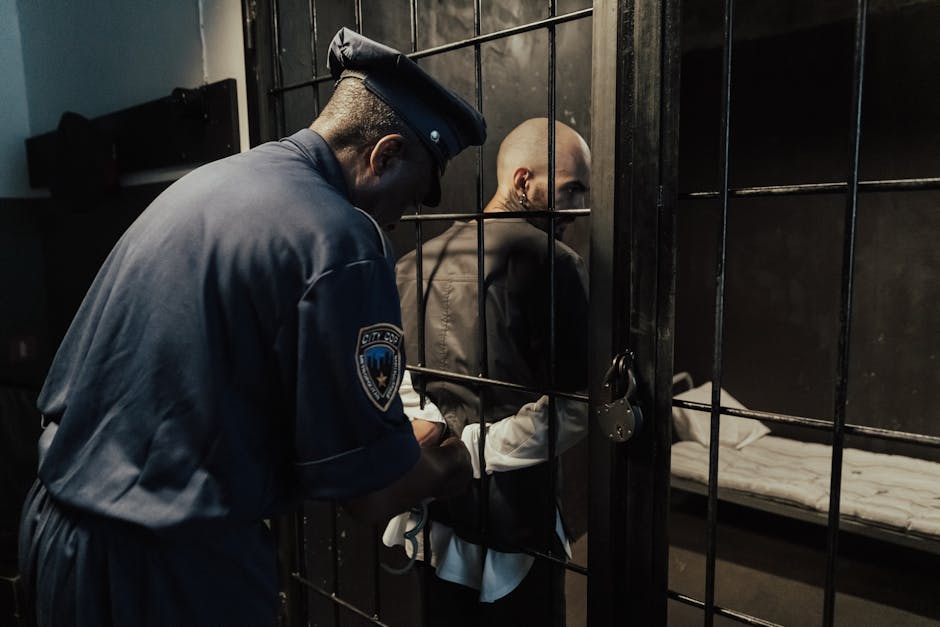
- Drones are increasingly used to smuggle contraband like drugs and weapons into prisons, presenting a significant security challenge.
- Victorian-era prison infrastructure, often crumbling, is unable to support the weight of modern anti-drone security measures.
- Plans for netting and reinforced grilles are stalled due to concerns about the structural integrity of aging prison walls.
- Drone deliveries not only introduce contraband but also erode the authority and control of prison staff and operations.
- Years of neglect, underfunding, overcrowding, and understaffing have contributed to the current vulnerability of prisons.
The imposing stone walls of Victorian prisons have long been a symbol of security and authority, but they are now proving to be a hindrance in the fight against a modern menace: drones. These unmanned aerial vehicles have been increasingly used to deliver drugs and weapons to inmates, and prisons are struggling to find ways to stop them. The problem is not just the drones themselves, but the crumbling infrastructure of the prisons, which are unable to support the weight of the measures needed to keep them out.
Current Challenges in Prison Security

Prison governors are facing a daunting task in trying to secure their facilities against the threat of drones. Plans to install tougher netting and window grilles have been put on hold because the weak and crumbling walls of the Victorian prisons cannot take the extra weight. This has left prisons vulnerable to the constant threat of drone deliveries, which are not only bringing in contraband but also undermining the authority of the prison staff. The situation is further complicated by the fact that many of these prisons were built over a century ago, and their walls were not designed to withstand the stresses and strains of modern security measures.
A History of Neglect and Underfunding

The story behind the current crisis in prison security is one of neglect and underfunding. For decades, prisons have been struggling to cope with overcrowding, understaffing, and a lack of resources. The physical infrastructure of the prisons has been allowed to deteriorate, with many buildings showing signs of serious decay. The walls, which were once the strongest part of the prison, are now crumbling, and the roofs are leaking. This has created an environment in which drones can thrive, and the prisoners are taking full advantage of the situation. According to a report by the Prison Reform Trust, the number of drones spotted near prisons has increased by over 50% in the past year alone.
The People Behind the Problem

The people involved in the drone trade are a mix of prisoners, former prisoners, and organized crime groups. They are highly motivated and well-organized, using social media and other forms of communication to coordinate their efforts. The prisoners themselves are often driven by a desire to make money or to gain status within the prison hierarchy. The organized crime groups, on the other hand, see the drones as a way to expand their operations and increase their profits. According to a report by BBC News, the use of drones in prisons is just one part of a larger trend of criminal activity that is being driven by technology.
Consequences for Prisoners and Staff

The consequences of the drone deliveries are far-reaching and devastating. Prisoners who are caught with contraband are facing disciplinary action, including loss of privileges and extra time on their sentences. The prison staff, on the other hand, are facing a constant threat to their safety and security. The drones are not only bringing in drugs and weapons but also creating an atmosphere of tension and fear. The staff are struggling to cope with the situation, and morale is at an all-time low. As reported by Reuters, the prison service is facing a major crisis in terms of staff recruitment and retention.
The Bigger Picture
The problem of drones in prisons is not just a matter of prison security; it is also a reflection of the broader societal issues that are driving the demand for contraband. The use of drones is a symptom of a larger problem, one that involves poverty, inequality, and a lack of opportunities. The prisons are a microcosm of the society as a whole, and the problems that are manifesting themselves within their walls are a reflection of the problems that exist outside. As noted by the World Health Organization, the health and wellbeing of prisoners are inextricably linked to the health and wellbeing of the wider community.
In conclusion, the problem of drones in prisons is a complex and multifaceted one, and it will require a comprehensive and coordinated response to resolve. The prison service, the government, and the wider community all have a role to play in addressing the underlying issues that are driving the demand for contraband. Only by working together can we hope to create a safer and more secure environment for prisoners and staff alike, and to reduce the threat posed by drones to the security of our prisons. As the situation continues to evolve, it is clear that the use of drones in prisons will remain a major challenge for the foreseeable future, and one that will require constant vigilance and innovation to overcome.
Source: The Guardian