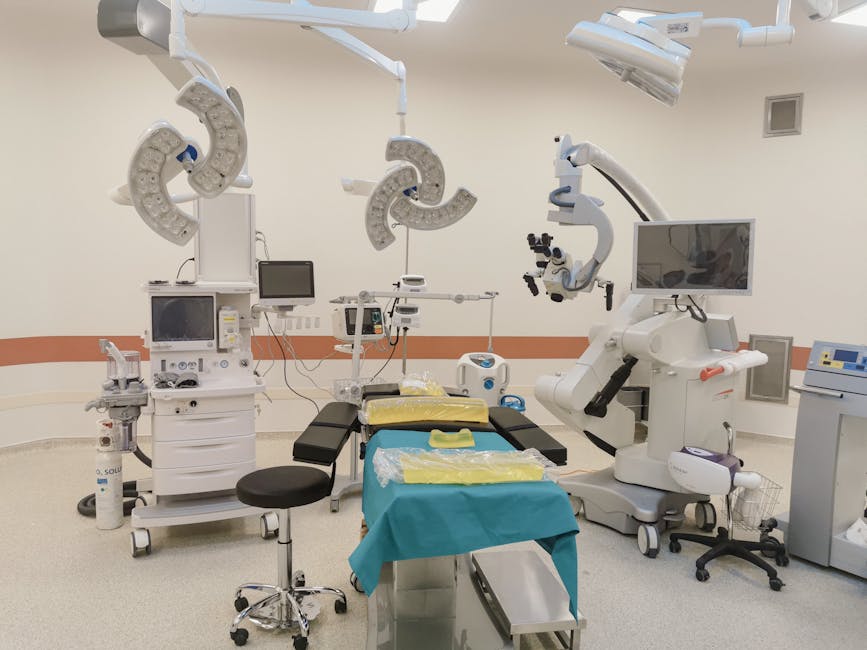
- 72-year-old opera singer Janine Roebuck regains her hearing after life-changing cochlear implant surgery, paving the way for thousands of NHS patients.
- Cochlear implants can significantly improve the quality of life for deaf patients with severe to profound sensorineural hearing loss.
- Bilateral cochlear implants can improve speech recognition and sound localization in noisy environments, according to a study on NCBI.
- Over 11,000 cochlear implant procedures have been performed in the UK since 2005, supporting the effectiveness of this treatment.
- Medical professionals, researchers, and patients play crucial roles in the development and implementation of cochlear implant surgery.
Executive summary: Janine Roebuck, a 72-year-old opera singer from London, has undergone life-changing surgery to restore her hearing after hiding her deafness for over 30 years. The double cochlear implants have transformed her life, and her experience could pave the way for thousands of NHS patients to receive similar treatment. As the NHS trials this method nationwide, Roebuck’s story highlights the potential for cochlear implants to become a game-changer for deaf patients.
The Evidence Behind Cochlear Implants

Hard data and primary sources suggest that cochlear implants can significantly improve the quality of life for deaf patients. According to the NHS website, cochlear implants can help patients with severe to profound sensorineural hearing loss. A study published on NCBI found that bilateral cochlear implants can improve speech recognition and sound localization in noisy environments. With over 11,000 cochlear implant procedures performed in the UK since 2005, the evidence supports the effectiveness of this treatment.
The Key Players in Cochlear Implant Surgery

Janine Roebuck’s story highlights the crucial role of medical professionals, researchers, and patients in the development and implementation of cochlear implant surgery. The surgeons, audiologists, and support staff involved in Roebuck’s treatment have played a vital part in her successful outcome. Moreover, organizations like the Royal National Institute for Deaf People and the British Society of Audiology are working to raise awareness and promote access to cochlear implant surgery for those who need it.
The Trade-Offs of Cochlear Implant Surgery

While cochlear implant surgery offers significant benefits, there are also costs, risks, and opportunities to consider. The procedure can be expensive, and the NHS must weigh the costs against the potential benefits for patients. Additionally, there are risks associated with surgery, such as infection and device failure. However, the potential opportunities for improved hearing and quality of life make cochlear implant surgery an attractive option for many patients. As Roebuck’s experience demonstrates, the benefits can far outweigh the risks, and the NHS must consider these trade-offs when deciding whether to offer this treatment to more patients.
The Timing of Cochlear Implant Surgery

So, why is cochlear implant surgery becoming more prominent now? Advances in technology and improvements in surgical techniques have made the procedure more effective and safer. Furthermore, increasing awareness and advocacy for deaf patients’ rights have helped to raise the profile of cochlear implant surgery. The NHS’s decision to trial this method nationwide is a significant step forward, and Roebuck’s story is a testament to the potential of this treatment to transform lives.
Where We Go From Here
Looking ahead to the next 6-12 months, there are several possible scenarios for the future of cochlear implant surgery. Firstly, the NHS may decide to roll out the treatment more widely, making it available to thousands more patients. Secondly, advances in technology could lead to even more effective and affordable cochlear implants. Finally, increased awareness and advocacy could help to reduce the stigma associated with deafness and promote greater understanding and support for deaf patients. Whatever the future holds, Roebuck’s story is a powerful reminder of the potential for cochlear implant surgery to change lives.
Bottom line: Janine Roebuck’s life-changing experience with cochlear implant surgery offers new hope for deaf patients, and her story could pave the way for thousands more to receive similar treatment, transforming their lives and restoring their hearing.
Source: The Guardian