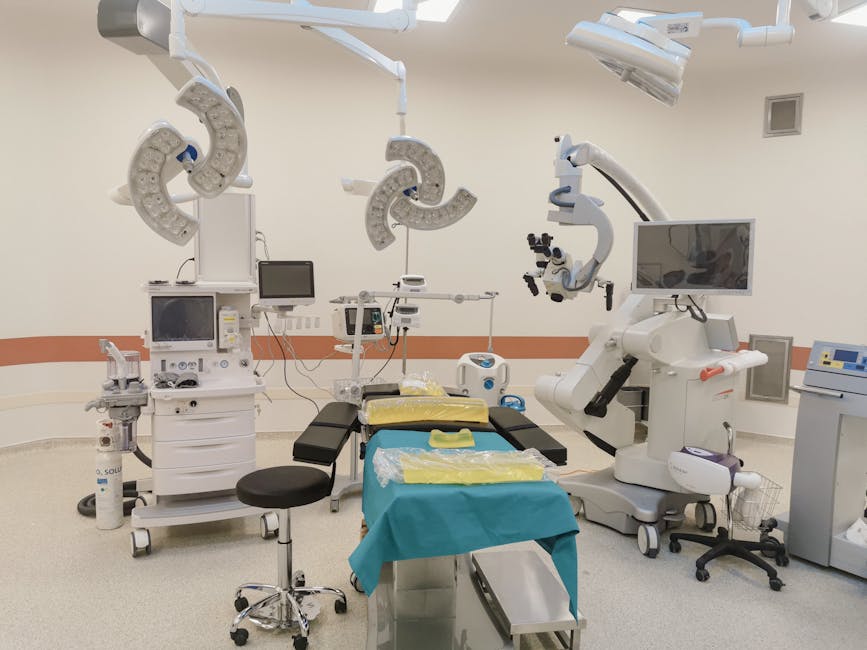
- Robotic nipple-sparing mastectomy is deemed safe and effective for early-stage breast cancer patients.
- This groundbreaking finding offers patients a new and potentially life-changing option for breast cancer treatment.
- Robotic surgery may provide a more aesthetically pleasing outcome compared to traditional mastectomy procedures.
- Breast cancer is the second leading cause of cancer deaths among women in the United States.
- Robotic nipple-sparing mastectomy preserves the nipple-areola complex, improving patient quality of life.
A striking fact has emerged in the field of breast cancer treatment: robotic nipple-sparing mastectomy (rNSM) has been deemed as safe and effective as open nipple-sparing mastectomy (NSM) for patients with early-stage breast cancer. This groundbreaking finding was presented at the annual meeting of the American Society of Breast Surgeons (ASBrS), held from April 29 to May 3 in Seattle. The study’s results have significant implications for the treatment of breast cancer, offering patients a new and potentially life-changing option. With breast cancer being one of the most common cancers affecting women worldwide, any advancement in treatment is a welcome development. According to the Centers for Disease Control and Prevention, breast cancer is the second leading cause of cancer deaths among women in the United States.
Background and Significance

The development of robotic nipple-sparing mastectomy is a crucial step forward in the treatment of early breast cancer. Traditional mastectomy procedures often result in the removal of the nipple-areola complex, which can have a significant impact on a patient’s quality of life and self-esteem. Nipple-sparing mastectomy, on the other hand, preserves the nipple-areola complex, providing a more aesthetically pleasing outcome. However, open NSM can be a complex and challenging procedure, requiring a high level of skill and expertise. The introduction of robotic technology has the potential to make this procedure more accessible and widely available. As noted by the World Health Organization, early detection and treatment are critical in improving breast cancer survival rates.
Key Details of the Study

The study presented at the ASBrS meeting compared the outcomes of robotic nipple-sparing mastectomy with those of open nipple-sparing mastectomy in patients with early-stage breast cancer. The results showed that rNSM was associated with similar rates of complications and recurrence as open NSM. The study also found that patients who underwent rNSM experienced less post-operative pain and recovered more quickly than those who underwent open NSM. These findings suggest that robotic nipple-sparing mastectomy is a viable option for patients with early breast cancer, offering a safe and effective alternative to traditional open surgery. The National Institutes of Health has also emphasized the importance of ongoing research in breast cancer treatment.
Analysis and Implications

The results of the study have significant implications for the treatment of breast cancer. Robotic nipple-sparing mastectomy offers a number of potential benefits, including reduced recovery time, less post-operative pain, and improved aesthetic outcomes. Additionally, the use of robotic technology may make it possible for more surgeons to perform nipple-sparing mastectomies, increasing access to this procedure for patients. However, further research is needed to fully understand the long-term outcomes and potential risks associated with rNSM. As the field of breast cancer treatment continues to evolve, it is likely that robotic nipple-sparing mastectomy will play an increasingly important role. According to BBC News, advancements in robotic surgery are transforming the medical landscape.
Expert Perspectives and Future Directions

Experts in the field of breast cancer treatment have welcomed the study’s findings, noting that robotic nipple-sparing mastectomy has the potential to revolutionize the way breast cancer is treated. However, some have also cautioned that further research is needed to fully understand the benefits and risks of this procedure. As one expert noted, “While the results of this study are promising, we need to continue to monitor the long-term outcomes of patients who undergo robotic nipple-sparing mastectomy to ensure that it is a safe and effective treatment option.” The Associated Press has also highlighted the importance of ongoing research in this area.
Expert Perspectives
Contrasting viewpoints on the use of robotic nipple-sparing mastectomy in breast cancer treatment highlight the need for ongoing discussion and research. Some experts argue that rNSM is a game-changer, offering a safe and effective alternative to traditional open surgery. Others, however, have expressed concerns about the potential risks and limitations of this procedure. As the debate continues, one thing is clear: robotic nipple-sparing mastectomy is a promising development in the treatment of breast cancer, and its potential benefits and risks must be carefully considered.
Looking to the future, it is likely that robotic nipple-sparing mastectomy will become an increasingly important treatment option for patients with early breast cancer. As the technology continues to evolve and improve, we can expect to see even more advanced and effective treatments emerge. For now, patients and healthcare providers must carefully weigh the potential benefits and risks of rNSM, considering the latest research and expert opinions. The Nature journal has also emphasized the importance of interdisciplinary collaboration in advancing breast cancer treatment.
Source: MedicalXpress