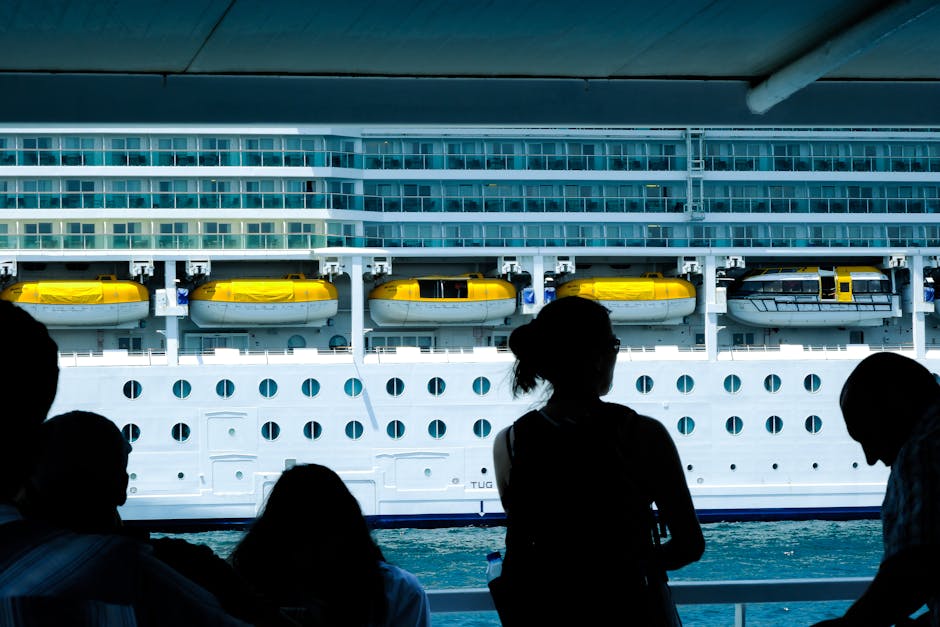
- Three passengers on the MV Hondius cruise ship have been evacuated due to suspected hantavirus infection.
- Symptoms of hantavirus infection include fever, muscle aches, and respiratory distress, similar to flu-like symptoms.
- Hantavirus is typically transmitted to humans through inhalation of rodent excreta, highlighting the risk on expedition cruises in ecologically sensitive regions.
- No specific antiviral treatment is available for hantavirus infection, making rapid isolation and supportive care crucial.
- The incident has raised concerns about biosecurity protocols on expedition cruises and remote maritime health response systems.
Executive summary — an outbreak of suspected hantavirus infection aboard the MV Hondius, a 150-passenger expedition cruise ship near Cape Verde, has prompted the emergency medical evacuation of three individuals, including a British man, to the Netherlands. The passengers exhibited fever, muscle aches, and respiratory distress—symptoms consistent with hantavirus pulmonary syndrome—after returning from shore excursions. With no specific antiviral treatment available, rapid isolation and intensive supportive care became critical, underscoring vulnerabilities in remote maritime health response systems and triggering broader scrutiny of biosecurity protocols on expedition cruises operating in ecologically sensitive regions.
Confirmed Symptoms and Medical Response

According to Dutch health authorities and the ship’s operator, Oceanwide Expeditions, the three evacuees began showing flu-like symptoms within 48 hours of returning from a birdwatching excursion on the uninhabited island of Santa Luzia. Initial clinical assessments pointed to high fever, severe myalgia, and early signs of pulmonary edema—hallmarks of hantavirus infection. The European Centre for Disease Prevention and Control (ECDC) later confirmed that blood samples tested positive for hantavirus RNA via RT-PCR at Leiden University Medical Center. Hantaviruses are typically transmitted to humans through inhalation of aerosolized rodent excreta, and Santa Luzia’s population of endemic mice (Mus minutoides) is now under investigation as a potential reservoir. With a case fatality rate for hantavirus pulmonary syndrome ranging from 30% to 40% in past outbreaks, as documented by the U.S. Centers for Disease Control and Prevention, the swift medical response likely prevented further deterioration.
Key Actors and Institutional Responses

The coordinated evacuation involved Dutch military medical transport, Cape Verdean port authorities, and the World Health Organization’s Regional Office for Africa. Oceanwide Expeditions, headquartered in the Netherlands, activated its emergency medical protocol, placing the remaining 147 passengers and crew under voluntary quarantine aboard the MV Hondius while anchored off Mindelo. The company has previously operated polar and tropical expeditions with an emphasis on ecological immersion, but this incident marks its first major public health crisis. The Dutch Ministry of Health deployed a rapid response team to assess transmission risks and conduct contact tracing, while WHO issued a preliminary alert to member states monitoring for imported cases. Notably, the British Foreign Office confirmed the nationality of one evacuee and advised UK travelers to review health precautions for remote ecotourism, reflecting growing diplomatic engagement in cross-border health threats linked to niche tourism sectors.
Trade-offs in Expedition Tourism and Biosecurity

The incident illuminates a critical tension between immersive ecotourism and biosafety. Expedition cruises like those operated by MV Hondius offer access to pristine, off-grid ecosystems—yet such environments may harbor undiscovered zoonotic pathogens. Shore excursions often involve direct contact with soil, caves, or wildlife habitats, increasing exposure risk. While cruise operators emphasize pre-trip health briefings and sanitation measures, few have protocols for rodent exposure or airborne zoonoses. The cost of enhanced biosecurity—such as on-board PCR testing, personal protective equipment distribution, or restricted landing zones—could raise ticket prices and limit accessibility. Conversely, failing to adapt may endanger public health and damage industry credibility. Moreover, local economies in Cape Verde depend on tourism, creating pressure to downplay risks despite the potential for international spread, as one infected traveler could seed outbreaks far from the origin.
Why Now? Changing Patterns of Travel and Zoonotic Emergence

This event arrives amid a surge in high-risk, low-density tourism following the post-pandemic travel rebound. According to UNWTO data, adventure and expedition travel grew by 23% globally in 2023, outpacing mass tourism. Simultaneously, climate change and habitat disruption are expanding rodent habitats and altering viral ecology. The Cape Verde archipelago, historically free of hantavirus reports, may now face spillover due to changing migration patterns of rodents or human encroachment on fragile ecosystems. The timing also reflects improved detection: unlike in past decades, modern molecular diagnostics allowed rapid identification, preventing misdiagnosis as influenza or COVID-19. Without such tools, this case might have gone unreported, masking the true incidence of hantavirus in subtropical regions.
Where We Go From Here
In the coming 6–12 months, three scenarios are plausible. First, containment succeeds: no secondary cases emerge, and the incident becomes a case study in effective maritime quarantine. Second, limited transmission occurs, prompting WHO to classify hantavirus as an emerging threat in island ecotourism, leading to new International Health Regulations for expedition vessels. Third, the virus spreads undetected to other travelers, triggering outbreaks in Europe or North America and provoking travel restrictions. Each path depends on surveillance rigor, transparency from cruise operators, and investment in frontline diagnostics. The ECDC has already proposed mandatory health risk assessments for all off-grid shore landings, a move that could redefine safety standards across the industry.
Bottom line — while the immediate outbreak appears contained, the MV Hondius incident exposes systemic gaps in managing zoonotic risks in remote tourism, demanding coordinated global health strategies to prevent isolated cases from becoming international crises.
Source: BBC