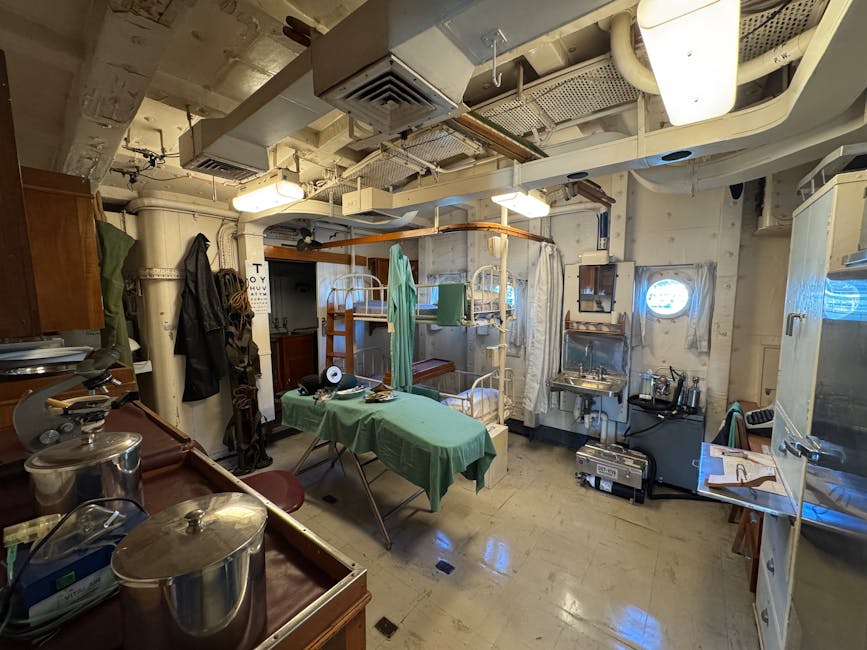
- Hantavirus has caused several confirmed cases on the MV Hondius cruise ship, highlighting the need for increased awareness and vigilance.
- The virus is spread through contact with infected rodents or their droppings, emphasizing the importance of proper hygiene practices.
- Hantavirus outbreaks are relatively rare but can have severe consequences, including hemorrhagic fever and respiratory distress.
- The MV Hondius outbreak has prompted an investigation by local health authorities and international health organizations.
- Proper response to hantavirus outbreaks requires collaboration among the ship’s crew, local health authorities, and international health organizations.
Executive summary — the recent outbreak of hantavirus on the MV Hondius cruise ship has raised concerns about the spread of the disease in confined environments. The outbreak, which occurred in early 2023, resulted in several confirmed cases and highlights the need for increased awareness and vigilance in preventing the spread of hantavirus. As the situation continues to unfold, it is essential to examine the evidence, key players, and trade-offs involved in addressing this public health concern.
Evidence of the Outbreak

According to reports from the Centers for Disease Control and Prevention (CDC), the MV Hondius outbreak is attributed to the hantavirus, a viral disease spread through contact with infected rodents or their droppings. The ship, which was traveling through South America, reported several cases of hantavirus, prompting an investigation by local health authorities. Data from the World Health Organization (WHO) indicates that hantavirus outbreaks are relatively rare, but can have severe consequences, including hemorrhagic fever and respiratory distress.
Key Players and Response

The key players involved in addressing the MV Hondius outbreak include the ship’s crew, local health authorities, and international health organizations. The crew’s prompt response to the outbreak, including isolating affected individuals and conducting thorough cleaning and disinfection of the ship, has been commended by health experts. Recent moves by the CDC and WHO to provide guidance and support to affected areas have also been instrumental in containing the outbreak. The New York Times reports that the outbreak has led to increased collaboration between health agencies and the cruise industry to prevent future outbreaks.
Trade-Offs and Challenges

The outbreak has highlighted the trade-offs and challenges involved in preventing the spread of hantavirus. While the ship’s crew and health authorities have taken swift action to contain the outbreak, there are concerns about the potential economic and social impacts of such measures. The BBC reports that the outbreak has resulted in significant financial losses for the cruise industry, with several ships being quarantined or rerouted. Furthermore, the outbreak has raised questions about the adequacy of current public health measures and the need for increased investment in disease surveillance and prevention.
Timing and Context

The timing of the MV Hondius outbreak is significant, as it coincides with an increase in global travel and trade. The outbreak has highlighted the need for increased vigilance and cooperation between health agencies, the cruise industry, and the public to prevent the spread of diseases. According to Reuters, the outbreak has led to a renewed focus on the importance of public health infrastructure and the need for increased investment in disease prevention and surveillance.
Where We Go From Here
Looking ahead, there are several possible scenarios for the next 6-12 months. One scenario is that the outbreak will be contained, and the cruise industry will implement new measures to prevent future outbreaks. Another scenario is that the outbreak will spread, leading to a significant increase in cases and a major public health crisis. A third scenario is that the outbreak will lead to increased collaboration and investment in public health infrastructure, resulting in improved disease surveillance and prevention. Ultimately, the outcome will depend on the effectiveness of the response efforts and the willingness of stakeholders to work together to address this public health concern.
Bottom line — the MV Hondius outbreak highlights the need for increased awareness and vigilance in preventing the spread of hantavirus and other diseases in confined environments, and underscores the importance of cooperation and investment in public health infrastructure to address emerging global health threats.
Source: Source