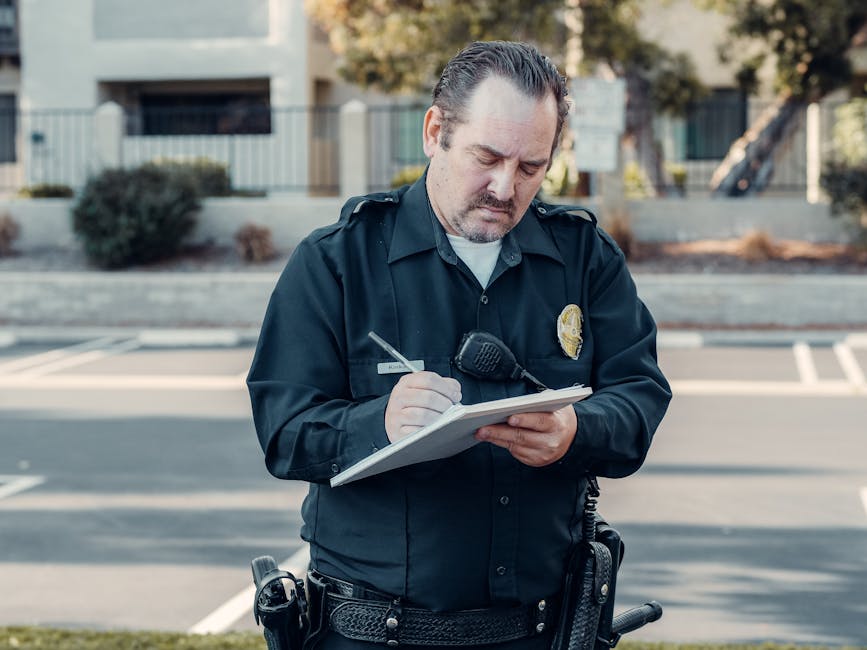
- One in five local councils in England and Wales have banned swearing in public under new ‘busybody’ orders.
- Public spaces protection orders (PSPOs) were originally intended to tackle serious anti-social behaviour, but are now being misused to regulate everyday activities.
- The number of councils banning swearing in public has increased significantly since 2022, sparking concerns among campaigners.
- PSPOs are being used to target a broader spectrum of activities, including harmless or beneficial ones, reflecting a shift towards a more intrusive approach to public space management.
- Councils are increasingly using PSPOs to infringe on personal freedoms, blurring the line between maintaining order and respecting individual rights.
A striking fact has emerged from a recent report: one in five local councils in England and Wales have banned swearing in public under new “busybody” orders, a significant increase from one in 20 councils in 2022. This trend has sparked concerns among campaigners who argue that public spaces protection orders (PSPOs) are being misused to criminalise a wide range of everyday activities. The report by the Campaign for Freedom in Everyday Life sheds light on the growing tendency of councils to regulate behaviour in public spaces, often with questionable justification.
Background and Intentions Behind PSPOs

PSPOs were originally intended to tackle serious anti-social behaviour, providing councils with a tool to address issues like noise pollution, littering, and public drunkenness. However, the report suggests that these orders are now being used to target a broader spectrum of activities, many of which are considered harmless or even beneficial. Campaigners argue that this expansion of PSPOs reflects a shift towards a more intrusive and controlling approach to public space management, where the line between maintaining order and infringing on personal freedoms is increasingly blurred.
Key Details of the Report

The report highlights several examples of how PSPOs are being applied in ways that seem excessive or unjustified. For instance, some councils have used these orders to ban activities such as standing in groups, shouting, or even picking up stones. These measures, while perhaps aimed at reducing disorder, end up criminalising behaviours that are either innocent or essential parts of social interaction and community life. The data collected for the report indicates a significant variation in how councils are using PSPOs, with some areas showing a much greater propensity to restrict everyday activities than others.
Analysis of the Causes and Effects

An analysis of the causes behind this trend suggests that it may be driven by a combination of factors, including pressure on councils to be seen as taking action against anti-social behaviour, and a lack of clear guidance on the appropriate use of PSPOs. The effects of these measures are multifaceted, potentially leading to increased tensions between communities and local authorities, as well as undermining trust in the fairness and proportionality of the law. Experts point out that such broad and vaguely defined restrictions can also have a chilling effect on legitimate forms of expression and assembly, fundamental rights in a democratic society.
Implications for Communities and Individuals

The implications of these bans and restrictions are far-reaching, affecting not just individuals who might find themselves fined for swearing or other newly criminalised activities, but also the fabric of community life. In areas where such measures are in place, there may be a noticeable reduction in social cohesion and an increased sense of surveillance and mistrust. Furthermore, the enforcement of these orders can disproportionately affect certain groups, such as young people or those from disadvantaged backgrounds, who may already feel marginalised or targeted by law enforcement.
Expert Perspectives
Experts and campaigners offer contrasting viewpoints on the use of PSPOs, with some arguing that they are a necessary tool for maintaining public order, while others see them as an overreach of council powers that infringes on personal liberties. According to The Guardian, civil liberties groups have expressed concern over the broad and often vague nature of these orders, which can be used to stifle free speech and assembly. In contrast, some council representatives argue that PSPOs are essential for addressing genuine community concerns about anti-social behaviour.
Looking forward, a key question remains as to how the use of PSPOs will evolve, and whether there will be a move towards greater clarity and consistency in their application. As BBC News has reported, there are calls for a review of the legislation governing PSPOs, to ensure that they strike a fair balance between maintaining public order and respecting individual rights and freedoms. The outcome of this debate will have significant implications for the nature of public spaces and community life in England and Wales.
Source: The Guardian