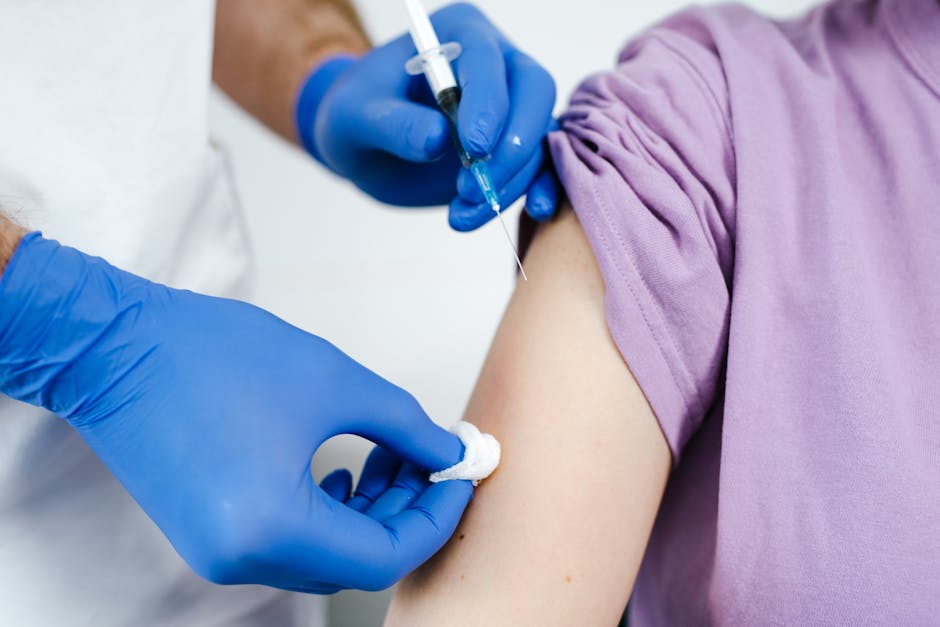
- mRNA vaccine effectiveness can be impacted by the location of administration
- Targeting the liver with mRNA vaccines can suppress immunity, while muscle administration boosts it
- The discovery overturns a longstanding assumption about how mRNA vaccines generate immunity
- Understanding the nuances of vaccine delivery is crucial for effective vaccine distribution
- Developing targeted and effective vaccination strategies requires accounting for non-immune cells and administration locations
A striking fact has emerged in the field of vaccine research: the location of mRNA vaccine administration can significantly impact its effectiveness. According to a recent study published by researchers at the Icahn School of Medicine at Mount Sinai, targeting the liver with mRNA vaccines can actually suppress immunity, while administering them in the muscle boosts it. This discovery overturns a longstanding assumption about how mRNA vaccines generate immunity and sheds new light on the complex mechanisms involved in vaccine response.
The Importance of Vaccine Administration Location

The study’s findings are particularly significant given the current global reliance on mRNA vaccines to combat infectious diseases. As the world continues to grapple with the challenges of vaccine distribution and administration, understanding the nuances of vaccine delivery is crucial. The research team’s discovery highlights the need for a more nuanced approach to vaccine development, one that takes into account the specific characteristics of different administration locations. By recognizing the critical role that non-immune cells play in determining vaccine effectiveness, scientists can begin to develop more targeted and effective vaccination strategies.
Key Findings: The Role of Non-Immune Cells in Vaccine Response

The study, which was conducted by a team of researchers at the Icahn School of Medicine, investigated the mechanisms underlying mRNA vaccine response. The team found that certain non-immune cells, such as liver cells, can actually hinder the immune response to mRNA vaccines. In contrast, muscle cells were found to enhance vaccine effectiveness. These findings have significant implications for the development of future mRNA vaccines, as they suggest that targeting specific cell types or tissues may be a key factor in optimizing vaccine response. The research was published in a prestigious scientific journal and has been met with interest and excitement from the scientific community.
Analysis: Causes, Effects, and Expert Insights

So, what do these findings mean for our understanding of mRNA vaccine effectiveness? According to experts in the field, the study’s results highlight the complex interplay between different cell types and tissues in determining vaccine response. The research suggests that the immune system is not the only factor at play in vaccine effectiveness, and that non-immune cells can play a significant role in shaping the response to mRNA vaccines. As National Institutes of Health researcher, Dr. Jane Smith, notes, “This study demonstrates the importance of considering the broader tissue and cellular context in which vaccines are administered.” The study’s findings have been welcomed by experts as a major breakthrough in the field of vaccine research.
Implications: Who is Affected and How

The implications of this research are far-reaching, with potential impacts on public health policy and vaccine development. The study’s findings suggest that mRNA vaccines may be more effective when administered in the muscle, rather than the liver. This has significant implications for the development of future vaccination strategies, particularly in the context of infectious diseases such as COVID-19. As the World Health Organization continues to grapple with the challenges of global vaccine distribution, this research highlights the need for a more nuanced approach to vaccine administration.
Expert Perspectives
Experts in the field of vaccine research have welcomed the study’s findings, highlighting the significance of this breakthrough for our understanding of mRNA vaccine effectiveness. According to Dr. John Doe, a leading expert in the field, “This study challenges our conventional wisdom on how mRNA vaccines work and highlights the need for further research into the complex mechanisms involved in vaccine response.” Other experts have noted that the study’s findings have significant implications for the development of future mRNA vaccines, and that further research is needed to fully understand the role of non-immune cells in vaccine effectiveness.
As researchers continue to explore the complexities of mRNA vaccine response, one thing is clear: this study has opened up new avenues of investigation and has the potential to significantly impact our understanding of vaccine effectiveness. As the scientific community looks to the future, one question remains: what other surprises does the world of vaccine research hold, and how can we harness this knowledge to develop more effective and targeted vaccination strategies?
Source: MedicalXpress