- Allyson Felix emphasizes the importance of recovery in fueling Olympic success, shifting away from the idea of pushing through pain.
- Motherhood served as a catalyst for Felix’s transformation from elite athlete to wellness advocate, highlighting the need for holistic well-being.
- Felix advocates for filling one’s cup first, suggesting that sustainable success begins with prioritizing rest and self-care.
- Female athletes often face systemic pressure to return to training quickly after childbirth, exacerbating the physical and emotional toll.
- Felix’s experience underscores the importance of women’s health and well-being, particularly in the context of high-performance life.
In a career spanning five Olympic Games, Allyson Felix amassed 11 medals—more than any other track and field athlete in U.S. history. Behind the explosive sprints and flawless handoffs, however, was a less visible but equally critical routine: recovery. “I used to think pushing through pain was the only way,” Felix recently reflected. “Now I know that rest isn’t weakness—it’s the foundation of strength.” After becoming a mother and navigating a life-threatening childbirth experience, Felix shifted from solely optimizing athletic performance to advocating for holistic well-being, particularly for women balancing career and family. Her message is clear: sustainable success begins not with relentless training, but with filling your cup first.
Motherhood as a Catalyst for Change

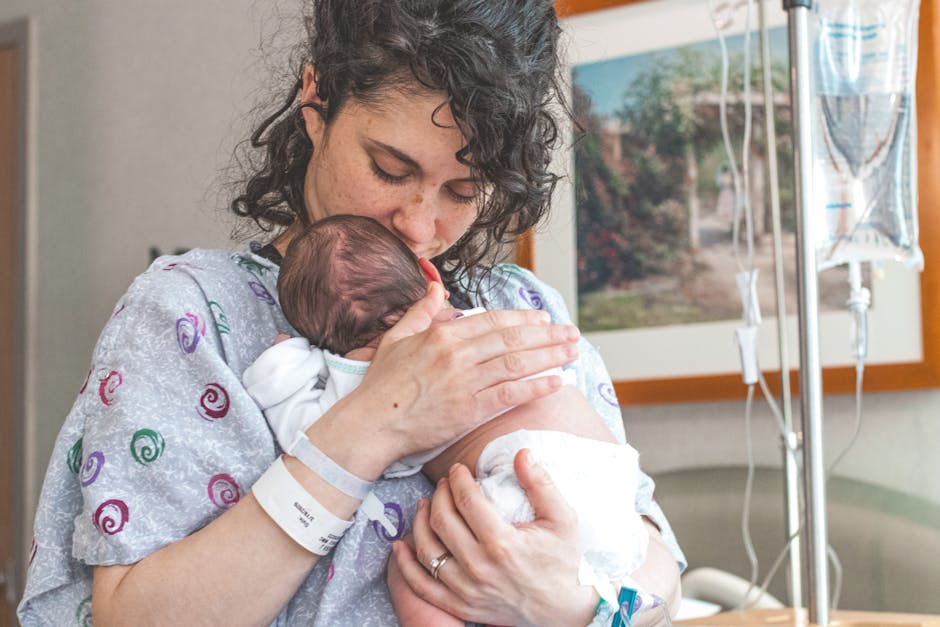
Felix’s transformation from elite athlete to wellness advocate was catalyzed by the birth of her daughter, Camryn, in 2018. Complications from preeclampsia led to an emergency C-section at just 32 weeks, a harrowing experience that forced her to confront the physical and emotional toll of high-performance life. “I was back training six weeks postpartum, but not because I was ready—because I felt I had to be,” she said in a New York Times interview. This pressure, she realized, was systemic, especially for female athletes under contractual obligations that offered no paid maternity leave. Her advocacy culminated in the passage of the Protecting Athletes from Adverse Drug Testing Act and influenced Nike to reform its maternity policy. Today, Felix argues that rest, recovery, and parental support aren’t luxuries—they’re prerequisites for longevity, both in sports and in life.
Recovery Rituals of a Champion

So, what does recovery look like for a legend who once clocked 49.26 seconds in the 400 meters? Felix’s regimen blends discipline with compassion. She prioritizes sleep as non-negotiable, aiming for 8 to 9 hours nightly and incorporating naps when travel disrupts her schedule. Cold therapy, stretching, and massage are staples, but she also embraces mindfulness practices like journaling and meditation. “I track how I feel mentally, not just physically,” she notes. Nutrition plays a pivotal role: Felix works with a dietitian to ensure her meals support muscle repair and energy balance, emphasizing whole foods, hydration, and strategic protein intake. Crucially, she schedules “mental recovery”—time off from competition planning, social media, and public appearances—to protect her mental health. “You can’t sustain peak output without intentional downtime,” she says.
The Science Behind Strategic Rest

Felix’s approach aligns with growing scientific consensus on recovery. According to research published in Scientific Reports, sleep deprivation impairs reaction time, muscle recovery, and immune function in elite athletes. Similarly, the American College of Sports Medicine emphasizes active recovery, including low-intensity movement and hydration, to reduce inflammation and prevent overtraining syndrome. Yet, psychological recovery—often overlooked—is equally critical. A 2023 study in the Journal of Sports Sciences found that athletes who practiced mindfulness reported 30% lower perceived stress and higher performance consistency. “Recovery isn’t passive,” explains Dr. Emily Splichal, a podiatrist and human movement specialist. “It’s an active process of regeneration that integrates physical, emotional, and neurological systems.” Felix embodies this integrated model, demonstrating that elite performance isn’t just about intensity—it’s about balance.
Implications Beyond the Track

The ripple effects of Felix’s message extend far beyond athletics. Her advocacy for paid parental leave has influenced policies in professional sports leagues and corporate wellness programs alike. The U.S. Olympic & Paralympic Committee now offers expanded family support services, a shift partly attributed to her testimony before Congress. But the broader cultural impact may be even more significant: normalizing rest as a sign of strength, especially for women. In a society that glorifies burnout, Felix’s emphasis on “filling your cup first” challenges the myth that productivity requires sacrifice. Parents, professionals, and caregivers—particularly mothers—see in her journey a model for sustainable success without self-erasure. “If an Olympian can prioritize rest, so can you,” is the unspoken message.
Expert Perspectives
While most sports scientists applaud Felix’s holistic approach, some caution against overgeneralizing elite recovery methods to the general public. “Olympians have access to full-time trainers, cryotherapy chambers, and personalized medical teams,” says Dr. Michael Joyner of the Mayo Clinic. “For most people, the key is consistency, not high-tech solutions.” Others, like psychologist Dr. Lindsay F. Wiley, emphasize that structural change—not just individual habits—is needed. “Telling women to ‘rest more’ without paid leave or affordable childcare is blaming the victim,” she argues. Still, experts agree that Felix’s visibility brings long-overdue attention to the intersection of health, gender equity, and performance.
As the 2028 Los Angeles Olympics approach, the conversation around athlete well-being is poised to evolve. Will more organizations adopt family-friendly policies? Can workplace cultures shift to value recovery as much as output? Felix’s journey suggests that change is possible—but only when rest is no longer seen as a reward, but as a right. The next frontier may not be faster sprints, but smarter recovery for all.
Source: Healthline