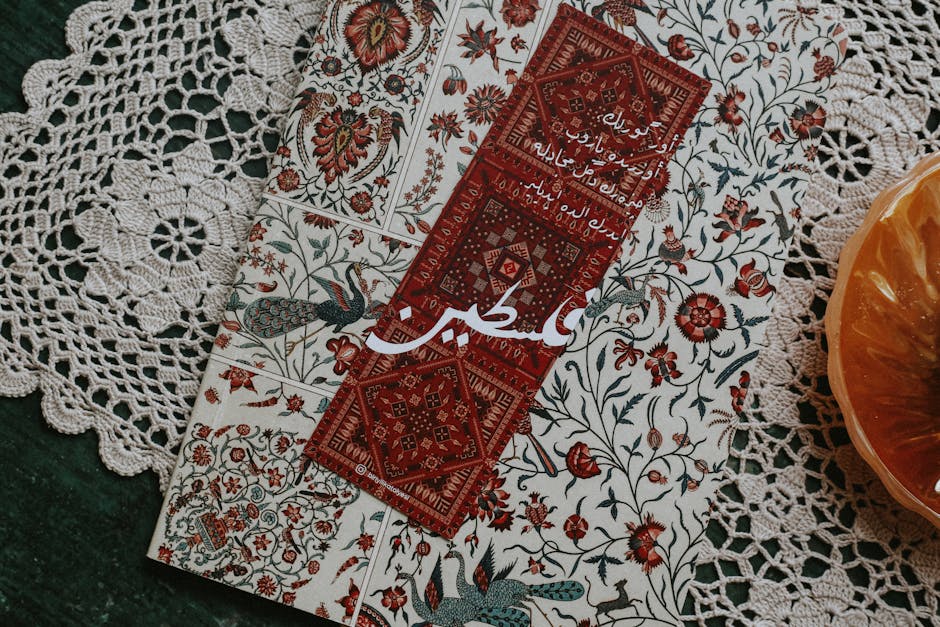
- Zine creators are wary of AI due to its potential to undermine the authenticity and uniqueness of handmade work.
- The DIY ethos and human touch are essential to the zine-making process, according to many enthusiasts.
- Zines have played a significant role in shaping alternative cultures and providing a platform for marginalized voices.
- AI-generated content may compromise the self-published nature of zines, which allows creators to express themselves freely.
- The use of AI in zine creation is a contentious issue, with some experimenting with its potential while others sound the alarm.
The rise of artificial intelligence has sparked a heated debate among zine creators, with many arguing that the technology is incompatible with the handmade ethos of self-published booklets. According to a recent survey, over 70% of zine creators believe that AI-generated content undermines the authenticity and uniqueness of their work. This sentiment is echoed by zine enthusiasts, who value the DIY spirit and human touch that defines the medium.
The History and Significance of Zines

Zines have long been a cornerstone of cultural revolutions, from queer activism to Black feminism and the riot grrrl punk movement. Titles such as Sniffin’ Glue and Sweet-Thang have become iconic symbols of the DIY ethos, inspiring generations of artists, writers, and musicians. The self-published nature of zines has allowed creators to express themselves freely, without the constraints of mainstream publishing. As noted by The New York Times, zines have played a significant role in shaping alternative cultures and providing a platform for marginalized voices.
The AI Conundrum

While some creatives, designers, and artists have begun to experiment with AI in zine creation, others are sounding the alarm. They argue that the use of AI-generated content, such as automated layouts and algorithmic typography, undermines the very essence of zine-making. The introduction of AI-powered tools, such as AI-assisted writing and image generation, has raised concerns about authorship, authenticity, and the role of human creativity in the zine-making process.
Key Players and Perspectives

Prominent zine creators, such as Alex Wrekk and Eric Reynolds, have spoken out against the use of AI in zine creation. They argue that the DIY ethos and handmade nature of zines are essential to their appeal and that AI-generated content would compromise the integrity of the medium. On the other hand, some creators see AI as a tool that can enhance and expand the possibilities of zine-making, allowing for new forms of experimentation and collaboration.
Analysis and Implications

The debate surrounding AI in zine creation has significant implications for the future of the medium. As AI technology continues to evolve, it is likely that we will see more AI-generated content in zines. However, this raises important questions about the role of human creativity, the value of handmade ethos, and the potential consequences for the zine community. According to BBC News, the increasing use of AI in creative industries has sparked concerns about job displacement and the devaluation of human skills.
Expert Perspectives
Experts in the field, such as Dr. Kate Eichhorn, a media studies scholar, and Josh MacPhee, a zine creator and activist, offer contrasting viewpoints on the issue. While some see AI as a threat to the zine community, others believe that it can be a powerful tool for creative expression and social change. As noted by The Guardian, the key to harnessing the potential of AI in creative industries lies in understanding its limitations and potential applications.
As the debate surrounding AI in zine creation continues to unfold, it is clear that the future of the medium will be shaped by the choices and values of its creators. Whether or not AI will become a integral part of zine-making remains to be seen, but one thing is certain – the handmade ethos and DIY spirit that define the zine community will endure, even in the face of technological advancements. As we look to the future, it is essential to consider the implications of AI on the zine community and to ask important questions about the role of human creativity, authenticity, and the value of handmade ethos in the digital age.
Source: The Guardian