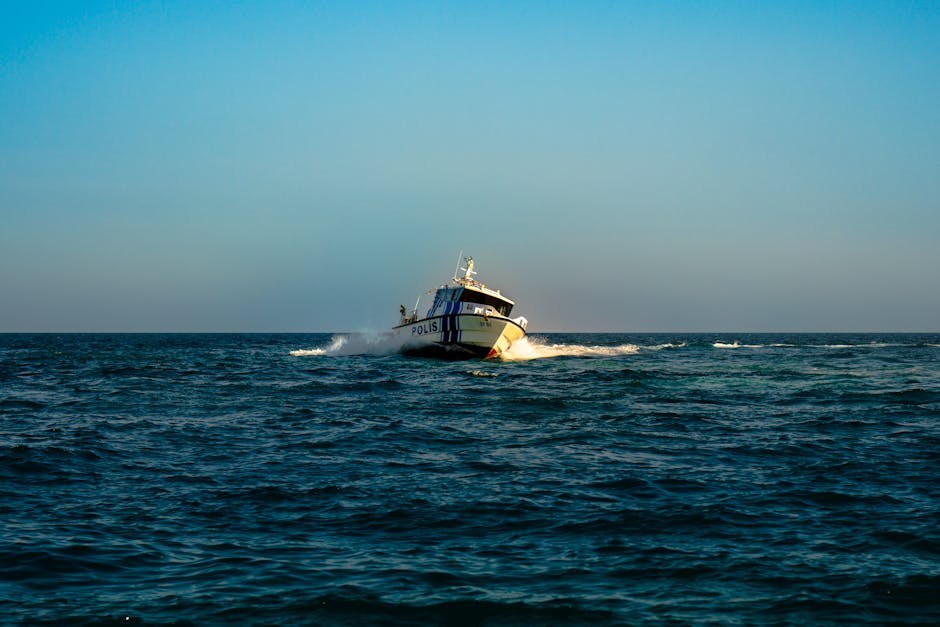
- The US military conducted a targeted strike in the Eastern Pacific Ocean against a narco-trafficking boat, killing three men aboard.
- The incident occurred in international waters, part of intensified operations to disrupt drug smuggling routes.
- The strike was carried out under the authority of the Department of Defense and supported by intelligence from US Southern Command.
- At least 185 individuals have been killed in similar operations since the beginning of the campaign.
- The high fatality count raises scrutiny over the use of lethal force in maritime interdiction missions.
The United States military conducted a targeted strike in the Eastern Pacific Ocean on Saturday, killing three men aboard a vessel it identified as engaged in narco-trafficking operations. According to a Pentagon statement, the boat was moving at high speed when it was intercepted and destroyed by military forces, with video footage showing the craft exploding and bursting into flames. The incident occurred in international waters, where US agencies have intensified operations aimed at disrupting drug smuggling routes. No US personnel were harmed in the operation, which marks the latest in a series of similar interdictions.
Escalation in Maritime Drug Interdiction

Defense officials confirmed the strike was carried out under the authority of the Department of Defense and supported by intelligence from US Southern Command and allied partners. The vessel, described as a low-profile go-fast boat designed to evade detection, was allegedly transporting illegal narcotics from South America to North America. Since the beginning of the campaign, which relies on aerial surveillance and rapid-response strike capabilities, at least 185 individuals have been killed across dozens of operations, according to an Agence France-Presse tally. The high fatality count has drawn scrutiny over the use of lethal force in maritime interdiction missions.
Context of the Offshore Drug War

For years, the Eastern Pacific has served as a major transit corridor for cocaine shipments from countries like Colombia and Peru, often destined for the US market. The US Coast Guard and Navy have increasingly relied on armed drones, surveillance aircraft, and Navy assets to intercept these vessels, many of which jettison cargo or resist capture. While the military does not typically pursue survivors, the lack of accountability and transparency in these incidents has raised concerns among human rights groups. Critics argue that lethal force may be disproportionate, especially when non-lethal interdiction methods are available.
What to Watch

As the US continues its offshore drug interdiction strategy, attention is growing over the legal and ethical implications of using military force in law enforcement roles. Lawmakers and international observers may call for independent oversight or policy reviews. Future operations are expected to rely more heavily on unmanned systems, though the long-term effectiveness and humanitarian impact remain under debate. The White House has yet to issue a detailed public assessment of the campaign’s outcomes.
Source: The Guardian