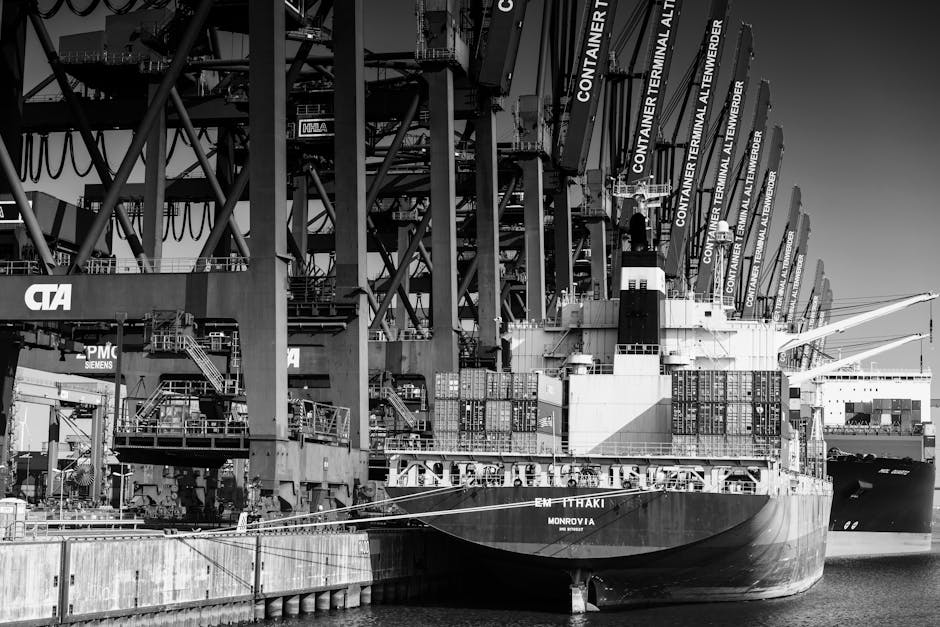
- Ukraine has warned Israel of potential diplomatic fallout over grain shipment dispute.
- 600,000 metric tons of Ukrainian grain worth over $150 million were seized by Russian forces and resold abroad.
- Shipping records suggest Israeli-linked shipping channels were used to divert grain to international markets.
- Ukraine claims to have traced some shipments to third-party traders using Israeli maritime logistics networks.
- The dispute highlights international scrutiny of war-looted resources entering global supply chains.
In a dramatic escalation of geopolitical tensions, Ukraine has formally warned Israel of potential diplomatic fallout over allegations that grain looted during Russia’s invasion has reached international markets through Israeli-linked shipping channels. An estimated 600,000 metric tons of Ukrainian grain—harvested from occupied territories in the south—has reportedly been diverted through Black Sea ports under Russian control and resold abroad, with shipping records suggesting some consignments passed through companies connected to Israeli interests. The grain, worth over $150 million, was originally seized by Russian forces from Ukrainian silos in Kherson and Zaporizhzhia. Kyiv claims it has traced some shipments to third-party traders using Israeli maritime logistics networks, raising alarms about complicity in the illicit trade of stolen agricultural commodities.
Mounting Tensions in Wartime Trade Networks

The dispute underscores growing international scrutiny over how war-looted resources enter global supply chains, often masked by complex corporate structures and opaque shipping registries. Ukraine’s Ministry of Foreign Affairs released a detailed dossier this week alleging that several vessels registered under Eastern Mediterranean flags—and managed by firms with Israeli ownership or operational ties—transported grain from Russian-held Crimean ports to African and Middle Eastern markets. While Israel has not officially imported the grain, the involvement of Israeli-linked intermediaries has prompted Kyiv to demand accountability. The timing is particularly sensitive, as Ukraine relies heavily on Western support to sustain its war effort and protect its agricultural exports, which are vital to global food security. Any perception of Israeli complicity, even indirect, risks undermining diplomatic solidarity at a critical juncture.
Tracing the Grain Trail from Occupied Territories

Ukrainian intelligence and maritime analysts have pieced together evidence showing that Russian-backed operators began harvesting and exporting Ukrainian crops from occupied regions as early as 2022, shortly after Moscow’s full-scale invasion. Using repurposed port infrastructure in Sevastopol and Berdiansk, Russian authorities coordinated shipments to countries including Turkey, Syria, and Lebanon—often under false documentation declaring the grain as Russian-produced. According to data from the Kyiv-based Black Sea Grain Initiative Monitoring Group, at least 18 vessels with connections to offshore holding companies tied to Israeli nationals were involved in transshipment or logistical coordination. One such firm, Coral Maritime Ltd., registered in Cyprus but managed from Tel Aviv, has been flagged for chartering ships that loaded grain in Mariupol after its fall in 2022. While no direct evidence ties the Israeli government to these operations, Ukraine insists Tel Aviv must exert control over private actors benefiting from wartime plunder.
Legal and Economic Implications of War-Looted Exports

International law is clear: the exploitation of occupied territories’ natural resources constitutes a war crime under the Fourth Geneva Convention. However, enforcement remains fragmented, particularly when illicit goods enter global markets through third-party intermediaries. Experts at the BBC’s investigative unit have documented how looted grain is often blended with legitimate shipments, making detection difficult. The United Nations has previously condemned the practice, but no state has successfully prosecuted private firms for handling stolen Ukrainian crops. Economically, the diversion of such large volumes undermines Ukraine’s export capacity, depressing global prices and disadvantaging Ukrainian farmers trying to rebuild. With over 40% of pre-war grain exports still disrupted, Kyiv argues that every ton diverted by Russia represents lost revenue and a blow to food sovereignty.
Diplomatic Stakes for Israel and Western Alliances

The fallout could strain Israel’s relations not only with Ukraine but also with key European partners who strongly support Kyiv’s position. Israel has maintained a cautious stance throughout the war, avoiding direct military aid to Ukraine while condemning Russia’s invasion in principle. However, its reluctance to fully align with Western sanctions has drawn criticism. The grain scandal now places Tel Aviv in a delicate position: distancing itself from implicated firms without triggering a diplomatic rupture with Kyiv. Ukrainian officials have privately warned that failure to act could lead to the downgrading of bilateral ties or reciprocal trade restrictions. Given Israel’s growing agricultural exports to Eastern Europe, such measures could carry economic weight. Moreover, the episode risks tarnishing Israel’s reputation as a tech-driven agricultural innovator amid accusations of indirect involvement in resource exploitation.
Expert Perspectives
“This isn’t just about grain—it’s about the integrity of international trade during conflict,” says Dr. Elena Kovalenko, a geopolitical risk analyst at the European Council on Foreign Relations. “When private actors exploit war zones for profit, it erodes trust in global supply chains.” Others caution against overreach. “Accusations must be backed by ironclad evidence,” argues Amos Goren, a Tel Aviv-based international trade lawyer. “Linking a nation to the actions of private firms without government involvement risks diplomatic overreaction.” Meanwhile, humanitarian experts warn that diverted grain often ends up in vulnerable markets, where it undercuts local farmers and distorts aid programs.
As Ukraine presses for accountability, the international community faces mounting pressure to close loopholes that enable the trade in conflict commodities. The case may prompt new EU regulations targeting maritime firms involved in suspicious Black Sea shipments. With Russia showing no sign of halting the practice, and demand for cheap grain rising in Africa and the Middle East, the challenge will be enforcing compliance without disrupting legitimate trade. The coming months could see intensified scrutiny of shipping manifests, ownership structures, and port inspections—a test of whether the global order can protect the fruits of sovereign nations from wartime theft.
Source: United24media