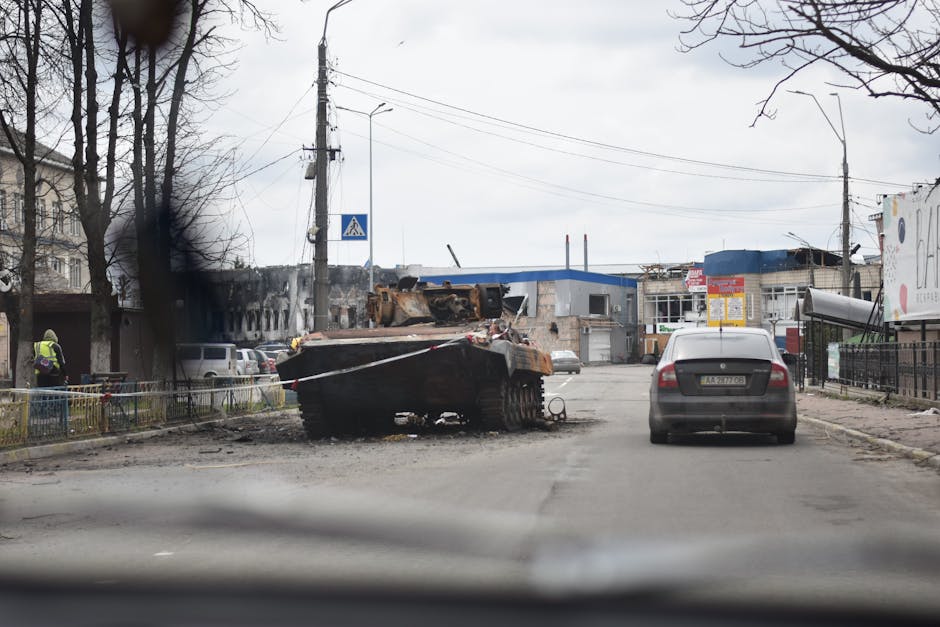
- A cease-fire between Israel and Hezbollah has failed to bring lasting peace, with both sides continuing to trade attacks.
- The latest Israeli strikes in Lebanon killed 14 people, sparking a humanitarian crisis and widespread damage.
- Hezbollah has insisted on maintaining its arsenal, defying international pressure to disarm.
- The conflict between Israel and Hezbollah is rooted in a complex web of historical, political, and religious factors.
- The situation in Lebanon remains volatile, with both sides accusing each other of violating the fragile truce.
A cease-fire between Israel and Hezbollah has done little to quell the violence, as both sides continue to trade attacks almost daily, with the latest Israeli strikes killing 14 people in Lebanon, according to Lebanese officials, amidst a backdrop of heightened tensions in the region. The situation remains volatile, with both sides accusing each other of violating the fragile truce. Hezbollah has reiterated its commitment to maintaining its arsenal, despite international pressure to disarm.
Current Situation

Key confirmed details indicate that the Israeli strikes were in response to alleged Hezbollah aggression, with Israel stating that it is acting in self-defense. The immediate impact of these strikes has been significant, with reports of widespread damage and a growing humanitarian crisis. The Lebanese government has condemned the Israeli actions, calling for an immediate cessation of hostilities and respect for Lebanese sovereignty. As the situation continues to deteriorate, concerns are growing over the potential for further escalation.
Historical Context

The conflict between Israel and Hezbollah is rooted in a complex web of historical, political, and religious factors. Hezbollah, a Shia Islamist organization, has been a major player in Lebanese politics and has long been at odds with Israel, which views the group as a terrorist organization. The two sides have clashed repeatedly over the years, with periods of relative calm punctuated by outbreaks of violence. The current cease-fire, brokered by international mediators, was intended to provide a framework for a lasting peace, but its effectiveness remains in question.
What to Watch
As the situation continues to unfold, observers will be closely watching the response of the international community, particularly the United Nations, which has been involved in efforts to broker a lasting peace. The international community has called for restraint on both sides, and there are fears that a failure to de-escalate could have far-reaching consequences for the region. With both sides dug in and refusing to back down, the potential for further violence remains high, and the world waits with bated breath to see what the next developments will be.
Source: The New York Times