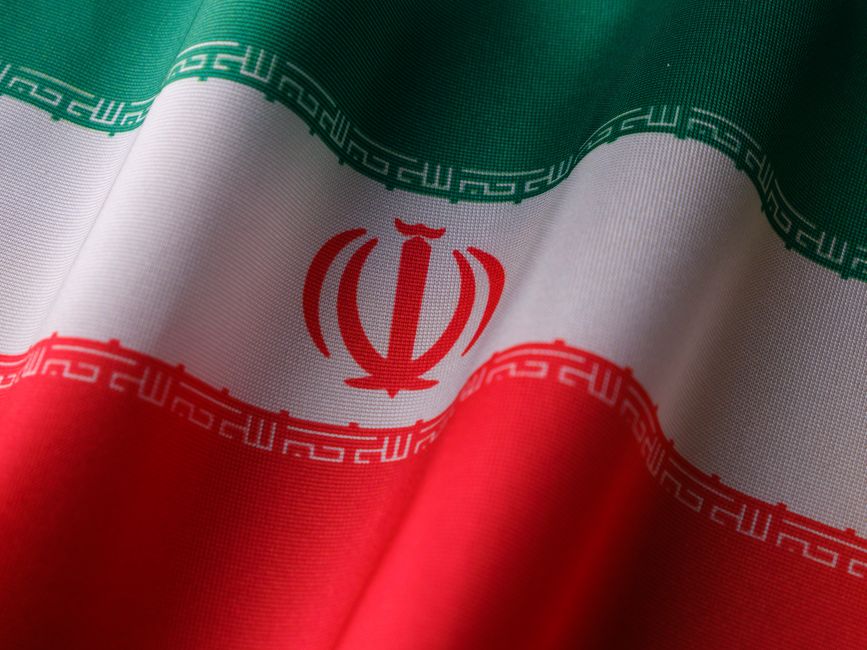
- Iran denies US claims of progress in negotiations, stating no talks are currently underway.
- The US has imposed stringent sanctions on Iran, causing significant economic strain.
- The Strait of Hormuz is a critical waterway for international oil trade, exacerbating tensions in the region.
- The US and Iran have been at odds for decades, with recent disputes centered on Iran’s nuclear program and regional influence.
- The volatile situation in the region threatens to escalate into further conflict.
Iranian officials have disputed President Trump’s claim of progress in negotiations between the two countries, stating that there are no current talks with the United States. This comes after President Trump cited progress in the negotiations when canceling a threatened attack on Iran over the weekend. The development has significant implications for the region, particularly with regards to the Strait of Hormuz, a critical waterway for international oil trade.
Background on Iran-US Relations

The relationship between Iran and the US has been strained for decades, with tensions escalating in recent years over issues such as Iran’s nuclear program and its influence in the Middle East. The US has imposed stringent sanctions on Iran, which have had a significant impact on the country’s economy. The current dispute over the Strait of Hormuz is just the latest in a long line of flashpoints between the two nations. With the US seeking to maintain its influence in the region and Iran looking to assert its own interests, the situation remains volatile.
Key Details of the Dispute

The latest developments began when President Trump threatened to attack Iran in response to the downing of a US drone. However, he later canceled the planned attack, citing progress in negotiations. Iranian officials have since denied that any such talks are taking place, leading to confusion and uncertainty. The situation is further complicated by the involvement of other regional players, including Oman, which has been rumored to be acting as a mediator between the two sides. As the situation continues to unfold, it remains to be seen what role these other nations will play in resolving the dispute.
Analysis of the Situation

Analysts point to a number of factors that may be contributing to the current impasse, including the US’s maximum pressure campaign against Iran. This campaign, which includes the imposition of stringent sanctions, has had a significant impact on the Iranian economy and may be limiting the country’s willingness to negotiate. Additionally, the lack of a clear channel for communication between the two sides has made it difficult to establish a basis for talks. With tensions running high, it remains to be seen how the situation will be resolved.
Implications of the Dispute

The current dispute between Iran and the US has significant implications for the region and beyond. The Strait of Hormuz, which is the world’s most important oil transit chokepoint, is a critical waterway for international trade. Any disruption to shipping in the area could have a major impact on the global economy, leading to increased oil prices and potential shortages. Additionally, the dispute has the potential to draw in other regional players, including Saudi Arabia and the UAE, which could further escalate tensions.
Expert Perspectives
Experts are divided on the best course of action for resolving the dispute. Some argue that the US should take a more diplomatic approach, engaging in direct talks with Iran in order to establish a basis for negotiations. Others, however, believe that the US should maintain its tough stance, arguing that this is the only way to bring Iran to the table. As the situation continues to unfold, it will be important to consider the perspectives of experts in the field in order to better understand the implications of the dispute.
Looking to the future, it remains to be seen how the situation will be resolved. The US and Iran are likely to continue to engage in a war of words, with each side seeking to assert its influence in the region. As the situation continues to unfold, it will be important to watch for any signs of a breakthrough in negotiations, as well as any further escalation of tensions. The international community will be closely watching the situation, eager to see how the dispute will be resolved and what implications it will have for the region and beyond.
Source: The New York Times