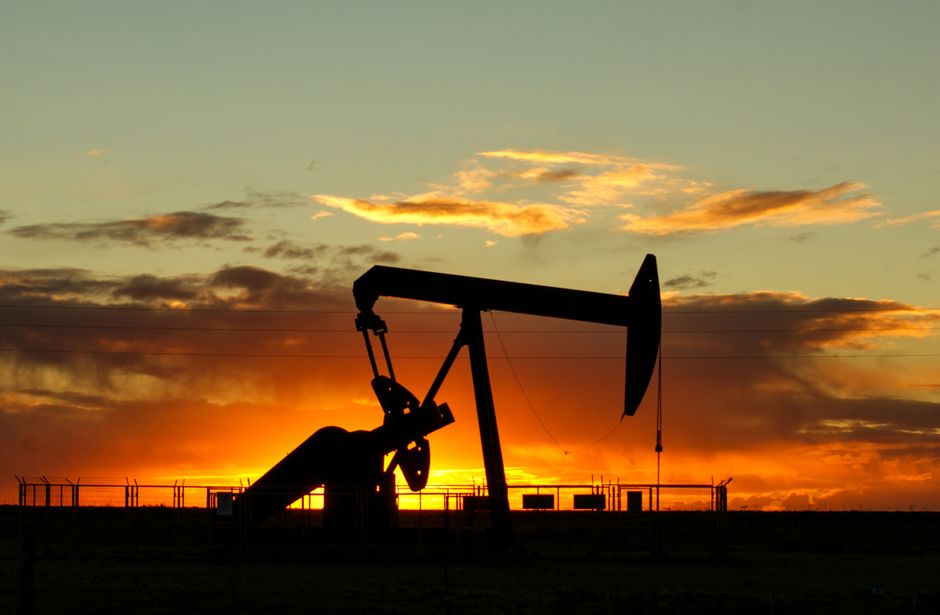
- OPEC+ countries agreed to increase monthly oil production by 188,000 barrels per day to stabilize global markets and address growing demand concerns.
- Saudi Arabia and Russia are the primary contributors to the production increase, accounting for a significant portion of the total output.
- The decision aims to address growing oil demand driven by economic activity in Asia and other regions, as forecasted by the International Energy Agency.
- A stable oil market is crucial for the global economy, according to the International Energy Agency.
- The production increase may impact oil prices and influence policies of major oil-consuming countries.
The Organization of the Petroleum Exporting Countries (OPEC) and its allies, known as OPEC+, have announced plans to increase their monthly oil production by 188,000 barrels per day. The move, which includes seven member countries such as Saudi Arabia and Russia, aims to stabilize global oil markets and address growing demand concerns. This decision is expected to have significant implications for the global economy and energy markets, as it may impact oil prices and influence the policies of major oil-consuming countries.
Evidence of the Production Increase

According to reports, the production increase will be implemented by seven OPEC+ member countries, with Saudi Arabia and Russia being the primary contributors. The decision was made after careful consideration of global oil demand and the current market situation. Data from the International Energy Agency (IEA) suggests that global oil demand is expected to increase in the coming months, driven by growing economic activity in Asia and other regions. The production increase is seen as a response to this growing demand, with OPEC+ aiming to ensure a stable and balanced oil market. As noted by the International Energy Agency, a stable oil market is crucial for the global economy.
Key Players and Their Roles

The key players in this decision include Saudi Arabia, Russia, and other major oil-producing countries. These countries have significant influence over the global oil market and have played a crucial role in shaping OPEC+ policies. Recent moves by these countries, including their decision to cut production in 2020, have had a major impact on global oil prices and markets. The current production increase is seen as a shift in their strategy, as they aim to balance their own economic interests with the need to stabilize the global oil market. As reported by Reuters, the decision was made after careful consultation between OPEC+ member countries.
Trade-Offs and Implications

The decision to increase oil production has significant trade-offs and implications. On the one hand, it may help to stabilize global oil markets and address growing demand concerns. On the other hand, it may also lead to increased oil prices, which could have negative impacts on the global economy. Additionally, the production increase may also have environmental implications, as it could lead to increased greenhouse gas emissions and contribute to climate change. As noted by the United Nations Environment Programme, the global energy sector must transition towards cleaner and more sustainable energy sources to mitigate the impacts of climate change.
Timing and Market Conditions

The timing of the production increase is significant, as it comes amidst growing concerns about global oil demand and market stability. The COVID-19 pandemic has had a major impact on global oil markets, leading to volatility and uncertainty. The current production increase is seen as a response to these changing market conditions, as OPEC+ aims to stabilize the market and ensure a balanced supply of oil. As reported by the BBC, the global oil market is expected to remain volatile in the coming months, with demand and supply factors influencing prices and market stability.
Where We Go From Here
Looking ahead, there are several possible scenarios for the global oil market. One scenario is that the production increase will help to stabilize the market and address growing demand concerns, leading to a balanced and stable oil market. Another scenario is that the production increase will lead to increased oil prices, which could have negative impacts on the global economy. A third scenario is that the production increase will have minimal impacts on the market, as other factors such as global demand and supply chain disruptions influence prices and market stability. Ultimately, the outcome will depend on a range of factors, including global demand, supply chain disruptions, and the policies of major oil-producing countries.
In conclusion, the decision by OPEC+ countries to expand monthly oil production by 188,000 barrels per day is a significant development that will have major implications for the global economy and energy markets. As the global oil market continues to evolve, it is essential to monitor developments and assess the impacts of this decision on the market and the environment.
Source: Al Jazeera