- Ukraine targets Russian oil infrastructure with drone attacks, straining fuel supply and adding pressure on President Putin.
- The strikes have resulted in significant disruptions to Russia’s oil production and distribution capabilities, causing widespread damage and disruption.
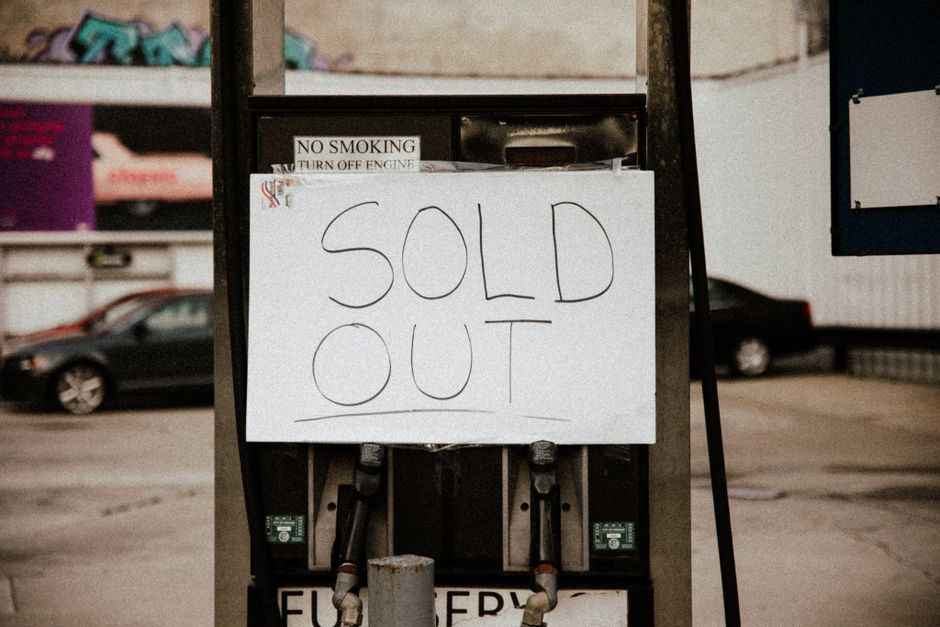
- The fuel crisis in Russia has led to a shortage of fuel, long lines at gas stations, and a surge in prices.
- The Russian government has struggled to respond to the crisis, with President Putin downplaying the attacks as ‘not critical’.
- The use of drones by Ukraine marks a significant escalation of the conflict and highlights the growing importance of unmanned aerial vehicles in modern warfare.
Ukrainian drones have launched a series of attacks on Russian oil infrastructure, further straining the country’s fuel supply and adding to the political pressure on President Vladimir Putin. The strikes, which Ukrainian President Volodymyr Zelenskyy described as part of Ukraine’s “long-range sanctions” against Russia, have resulted in significant disruptions to Russia’s oil production and distribution capabilities. As the fuel crisis deepens, Putin’s government is facing increased scrutiny and criticism, both domestically and internationally.
Russia’s Fuel Crisis Escalates

The drone attacks have targeted key oil facilities, including refineries and storage depots, causing widespread damage and disruption to Russia’s energy sector. The immediate impact of the attacks has been a significant shortage of fuel, leading to long lines at gas stations and a surge in prices. The Russian government has struggled to respond to the crisis, with Putin downplaying the attacks as “not critical” despite the evident strain on the country’s economy.
Background and Context

The conflict between Ukraine and Russia has been ongoing for several years, with both sides engaging in a series of escalating attacks and counter-attacks. The use of drones by Ukraine to target Russian oil infrastructure marks a significant escalation of the conflict, and highlights the growing importance of unmanned aerial vehicles in modern warfare. The attacks also underscore the economic dimension of the conflict, with Ukraine seeking to weaken Russia’s economy and undermine its ability to wage war.
What to Watch

As the situation continues to unfold, several key developments are worth watching. The Russian government’s response to the fuel crisis will be crucial, with Putin facing increasing pressure to take decisive action to address the shortage and stabilize the economy. Additionally, the international community’s reaction to the conflict will be important, with the potential for further sanctions or diplomatic efforts to resolve the crisis. For more information on the conflict, see the Russo-Ukrainian War page on Wikipedia, or visit the Reuters Europe page for the latest news and updates.
Source: Fortune