- Pope Leo visited Lampedusa to urge protection and integration of migrants fleeing their homelands.
- The Pontiff emphasized the need for people in Europe and the US to welcome and assist migrants.
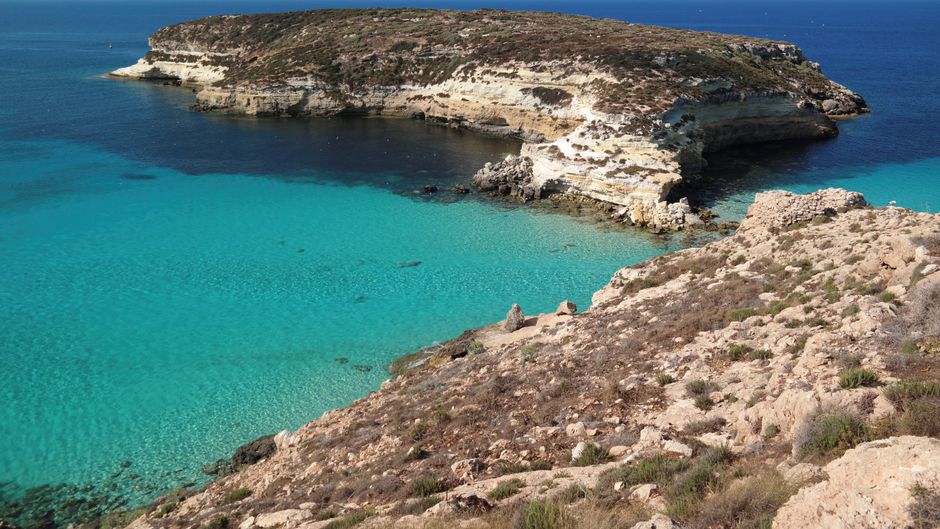
- Lampedusa has become a symbol of the migrant crisis due to its proximity to North Africa and perilous migration conditions.
- Pope Leo’s visit highlights the need for a more compassionate and coordinated response from European countries and the international community.
- The Pope’s message of protection and integration is centered on respecting the dignity of all human beings, regardless of nationality or circumstances.
Pope Leo has visited the Italian island of Lampedusa, a key entry point for migrants into Europe, to urge protection and integration of those fleeing their homelands. During his trip, the Pontiff emphasized the need for people in Europe and the US to welcome and assist migrants, highlighting the importance of providing a safe haven for those in need. This visit comes at a time when migrant rights are a contentious issue globally, with many countries struggling to balance border security with humanitarian obligations.
The Significance of Lampedusa

Lampedusa, a small island in the Mediterranean, has become a symbol of the migrant crisis in recent years. The island’s proximity to North Africa makes it a primary landing point for migrants attempting to reach Europe, often under perilous conditions. Pope Leo’s visit to Lampedusa is significant because it draws attention to the plight of these migrants and the need for a more compassionate and coordinated response from European countries and the international community. By choosing Lampedusa as the site for his message, the Pope underscores the urgency of addressing migrant welfare and the moral imperative to protect human life.
Migrant Protection and Integration

The Pope’s message of protection and integration is centered on the principle of respecting the dignity of all human beings, regardless of their nationality or circumstances. He has consistently advocated for policies that balance the need to regulate migration flows with the obligation to protect the rights and safety of migrants. This includes providing adequate reception conditions, facilitating access to legal pathways for migration, and promoting social inclusion. By emphasizing integration, the Pope encourages host communities to embrace migrants as contributors to society, rather than viewing them as a burden, and to recognize the cultural, economic, and social benefits that migration can bring.
Global Response to Migration

The global response to migration is complex and often controversial, with some countries adopting more restrictive policies while others strive to create more inclusive and supportive environments for migrants. The Pope’s visit to Lampedusa and his call for a more welcoming approach to migration come at a time when international cooperation on migration issues is increasingly important. This includes sharing the responsibility for protecting refugees, addressing the root causes of migration such as conflict, poverty, and climate change, and ensuring that migration policies are based on solidarity, justice, and human rights. For more information on global migration trends and policies, readers can visit the UNHCR website, which provides comprehensive data and insights into refugee and migrant movements worldwide.
Implications for Europe and Beyond

The implications of the Pope’s message extend beyond Lampedusa and Italy, to Europe and the world at large. As migration continues to be a significant challenge for many countries, the Pope’s advocacy for protection and integration serves as a reminder of the ethical dimensions of migration policy. His call to action encourages not only governments but also civil society and individuals to reconsider their attitudes towards migrants and to work towards creating more inclusive and supportive communities. This is particularly relevant in the context of rising anti-migrant sentiment in some parts of the world, where the Pope’s message can help to counterbalance divisive rhetoric with a message of hope, solidarity, and respect for human dignity.
Expert Perspectives
Experts in migration studies and human rights law view the Pope’s visit to Lampedusa as a significant moment in the global debate on migration. According to BBC News, many analysts believe that the Pope’s intervention can help to shift public opinion and encourage political leaders to adopt more compassionate and effective migration policies. However, others note that the challenges of implementing such policies are considerable, requiring not only political will but also significant resources and international cooperation. The Pope’s message, therefore, serves as a call to action for a broad range of stakeholders, from governments and international organizations to local communities and individuals, to work together in addressing the complex issues surrounding migration.
Looking forward, the key question is how the Pope’s message will be received and acted upon by governments and societies around the world. Will his call for protection and integration inspire a new wave of solidarity and cooperation on migration issues, or will it face resistance from those who prioritize border security over human rights? As the global community continues to grapple with the challenges of migration, the Pope’s visit to Lampedusa stands as a powerful reminder of the need for a more compassionate and sustainable approach to this critical issue. For ongoing updates and analysis on migration policy and its impacts, readers can follow reputable news sources such as Reuters, which provides in-depth coverage of global events and trends.
Source: Al Jazeera