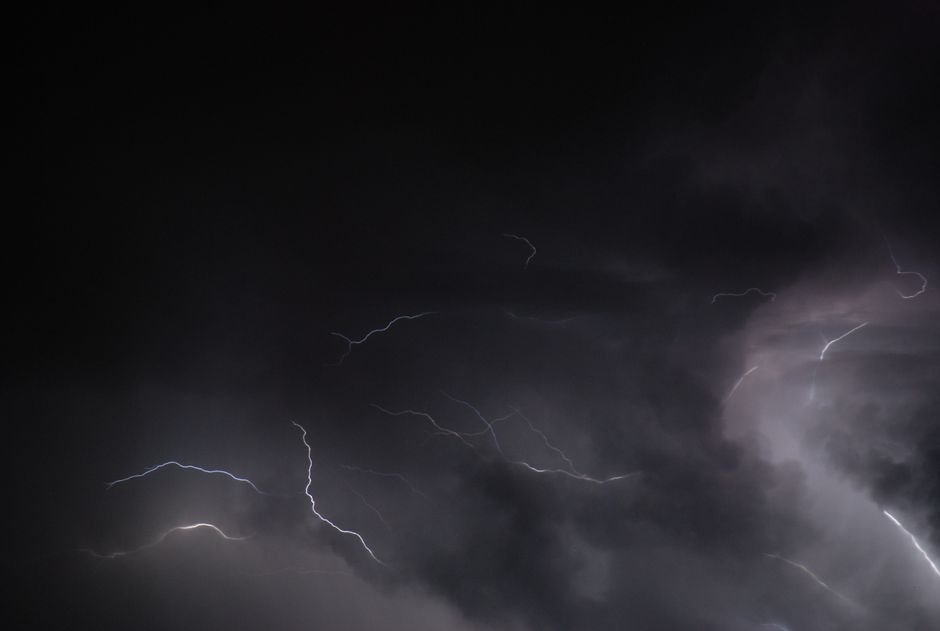
- Severe weather disrupted 250th anniversary celebrations in Washington, DC, raising questions about timing and preparedness.
- A thunderstorm with heavy rain and strong winds forced the delay of events on the National Mall.
- President Trump vowed to speak in the capital despite the weather, highlighting the importance of contingency planning.
- The severe weather underscored the challenges of hosting large-scale outdoor events, emphasizing the need for safety measures.
- Event organizers prioritized attendee safety, postponing festivities and eventually proceeding with a reduced schedule.
As the United States marked its 250th anniversary, severe weather disrupted celebrations across the country, with a thunderstorm delaying events in Washington, DC. The inclement weather raised questions about the timing and preparedness of the celebrations, prompting concerns about the impact on attendees and the overall success of the events. With President Trump vowing to speak in the capital despite the weather, the situation highlighted the challenges of hosting large-scale outdoor events and the importance of contingency planning.
What Happened in Washington, DC?

The severe weather in Washington, DC, forced the delay of celebrations, which were scheduled to take place on the National Mall. The thunderstorm, which brought heavy rain and strong winds, prompted event organizers to postpone the festivities, citing safety concerns. Despite the disruptions, President Trump announced that he would still deliver his speech, emphasizing the significance of the anniversary and the need to proceed with the celebrations. The decision to continue with the event despite the weather underscored the importance of the occasion and the determination of the organizers to ensure its success.
Supporting Evidence and Reactions

According to reports from Al Jazeera, the severe weather affected not only the celebrations in Washington, DC, but also other parts of the country. The National Weather Service issued warnings and alerts, advising people to take necessary precautions and stay safe. The disruptions caused by the severe weather were widely reported, with many attendees expressing disappointment and frustration on social media. However, others praised the determination of the event organizers and the resilience of the attendees, who were determined to make the most of the occasion despite the challenges.
Counter-Perspectives and Criticisms

Some critics argued that the decision to proceed with the celebrations despite the severe weather was misguided, citing concerns about safety and the potential for injuries. Others questioned the timing of the events, suggesting that they should have been scheduled for a different time of year when the weather is more favorable. Additionally, some commentators pointed out that the disruptions caused by the severe weather highlighted the need for more effective contingency planning and emergency preparedness. These criticisms underscored the complexities and challenges of hosting large-scale outdoor events and the importance of careful planning and risk management.
Real-World Impact and Consequences

The severe weather disruptions had significant consequences for attendees, event organizers, and the local community. The delays and cancellations caused inconvenience and disappointment, with many people having traveled from across the country to attend the celebrations. The economic impact of the disruptions was also significant, with local businesses affected by the reduced foot traffic and decreased sales. Furthermore, the severe weather highlighted the importance of investing in infrastructure and emergency preparedness, particularly in the context of large-scale events. The consequences of the disruptions served as a reminder of the need for careful planning, effective risk management, and robust contingency measures.
What This Means For You
The disruptions caused by the severe weather during the US’s 250th anniversary celebrations serve as a reminder of the importance of preparedness and contingency planning. For individuals attending large-scale outdoor events, it is essential to stay informed about weather conditions and to follow safety guidelines and instructions from event organizers. Additionally, the incident highlights the need for event organizers to prioritize safety and to have robust contingency measures in place to mitigate the impact of unforeseen events. By taking these precautions, individuals and event organizers can minimize the risks associated with severe weather and ensure a safe and successful experience.
As the US continues to celebrate its 250th anniversary, the incident raises questions about the role of weather in shaping our experiences and the importance of resilience and adaptability in the face of uncertainty. What other challenges and opportunities will arise as the country continues to mark this significant milestone, and how will event organizers and attendees respond to the complexities of hosting large-scale outdoor events in a rapidly changing environment?
Source: Al Jazeera