- US President Trump warns of communism as the biggest threat, highlighting its potential implications for global stability.
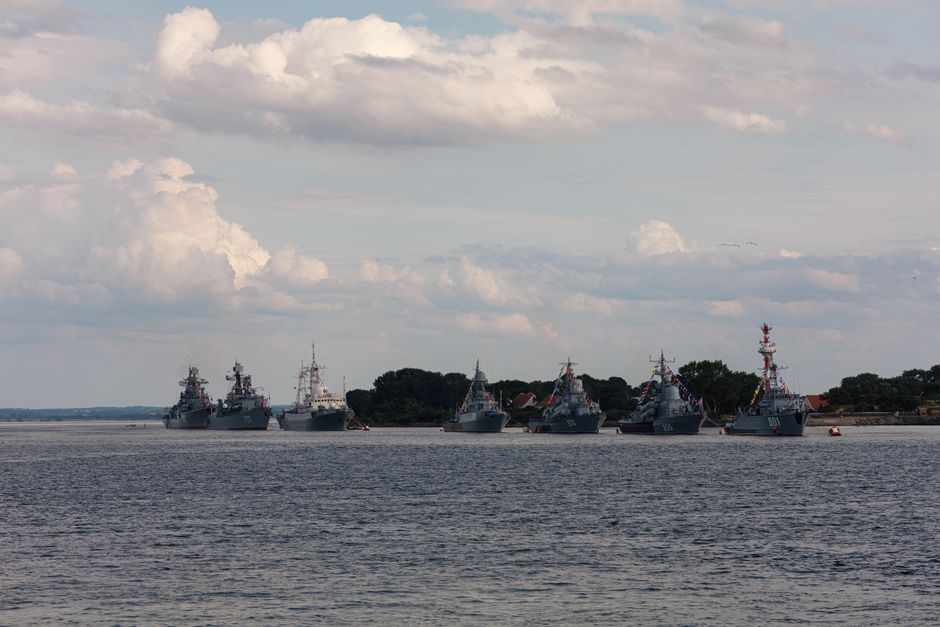
- A record number of boats are leaving the Strait of Hormuz, a critical waterway for global oil trade, exacerbating concerns over regional stability.
- The Strait of Hormuz’s importance in global oil trade has raised concerns about the potential implications for global energy markets.
- The US’s stance on communism and the situation in Hormuz are crucial in the current geopolitical landscape with rising global tensions.
- Experts are analyzing the geopolitical and economic ramifications of the boat exodus and the US’s strategy to address the situation.
US President Donald Trump has sounded the alarm on communism, labeling it the biggest threat, while also addressing the record number of boats leaving the Strait of Hormuz. This development comes as Trump arrived in North Dakota aboard a train for the Roosevelt Presidential Library dedication, where he made these significant comments. The situation in Hormuz and Trump’s stance on communism are crucial, given the current geopolitical landscape and rising global tensions.
Current Tensions and Boat Exodus

The Strait of Hormuz, a critical waterway connecting the Persian Gulf to the Gulf of Oman, has seen a record number of boats leaving its waters. This exodus is significant due to the strait’s importance in global oil trade, with a substantial portion of the world’s petroleum passing through it. Trump’s comments on this situation highlight the US’s concern over stability in the region and the potential implications for global energy markets. The reasons behind the boat exodus and the US’s strategy to address the situation are under scrutiny, with experts analyzing the geopolitical and economic ramifications.
Historical Context of US Involvement

The United States has a long history of involvement in the Middle East, particularly in relation to the Strait of Hormuz. Past conflicts, including the Iran-Iraq War and more recent tensions with Iran, have underscored the region’s volatility. The US has maintained a military presence in the area to ensure the free flow of oil and to protect its allies. Trump’s comments on communism and the Hormuz situation must be understood within this historical context, where the US has sought to balance its interests with the complex web of regional alliances and rivalries. The legacy of previous administrations’ policies in the region also plays a role in shaping current US strategy.
Key Players and Motivations

President Trump’s motivations for highlighting communism as the biggest threat and addressing the Hormuz boat situation are multifaceted. They reflect both his administration’s foreign policy priorities and the domestic political landscape. Trump has consistently positioned himself as a strong leader on national security issues, and his comments can be seen as part of this narrative. Additionally, the role of other key players, such as Iran and other regional actors, cannot be overlooked. Their actions and responses to US policy will significantly influence the trajectory of events in the Strait of Hormuz and beyond.
Consequences for Global Stability

The consequences of the situation in Hormuz and Trump’s warnings on communism are far-reaching. For stakeholders, including oil-producing nations, shipping companies, and global consumers, the stability of the region is paramount. Any disruption to oil supplies could have significant economic impacts, affecting not just the energy sector but also broader economic activity. Furthermore, the escalation of tensions between the US and countries perceived as leaning towards communism, such as China, could lead to a colder geopolitical climate, impacting trade, security, and diplomatic relations worldwide.
The Bigger Picture
Trump’s comments and the developments in Hormuz are part of a larger narrative about global governance, security, and the balance of power. As the world navigates the challenges of the 21st century, including rising nationalism, technological change, and shifting global alliances, the importance of stable and open international waterways cannot be overstated. The situation highlights the need for concerted international effort to address shared security concerns and promote cooperation, rather than competition, among nations. For more information on the strategic importance of the Strait of Hormuz, visit the Wikipedia page on the Strait of Hormuz.
As the international community watches the situation unfold, the coming weeks and months will be crucial in determining the trajectory of events. The responses of regional and global actors to Trump’s comments and the actions taken to address the Hormuz situation will set the stage for the next chapter in this evolving story. With the dedication of the Roosevelt Presidential Library as a backdrop, Trump’s remarks serve as a reminder of the enduring challenges of international relations and the need for thoughtful, strategic leadership in addressing them.
Source: Al Jazeera