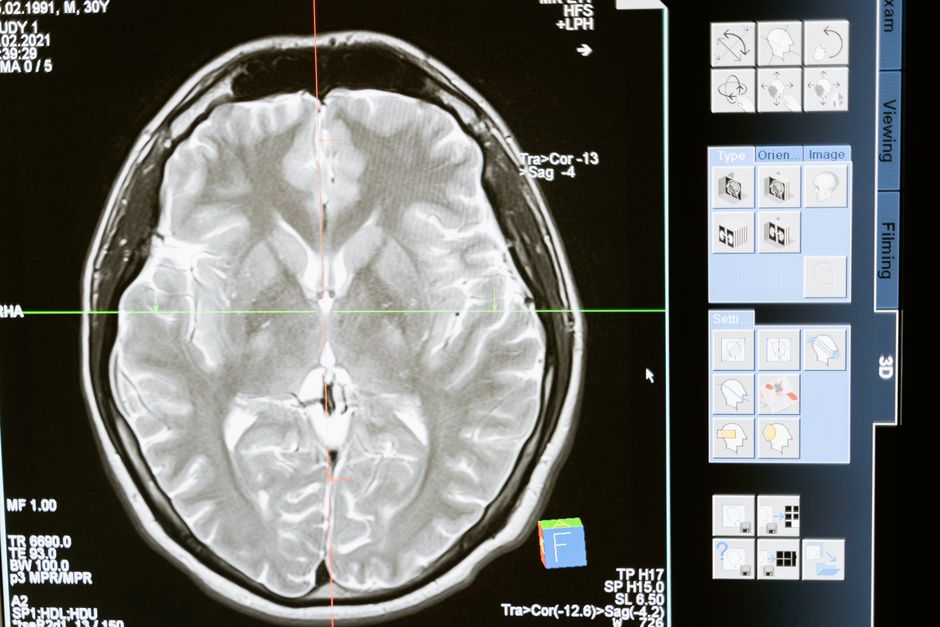
- Scientists have discovered a natural mechanism in some brains that helps resist Alzheimer’s disease by promoting the survival of immature brain cells.
- This finding could lead to new ways to protect memory and slow dementia, providing hope to millions of people affected by the disease.
- The brain’s natural resilience is a departure from the conventional understanding of Alzheimer’s, which focuses on toxic protein accumulation.
- Researchers may shift their approach to developing treatments, focusing on promoting the survival of neural progenitor cells.
- Advanced imaging techniques were used to analyze the brains of individuals with Alzheimer’s, revealing a unique pattern of resistance.
What makes some brains more resilient to Alzheimer’s disease? Scientists have made a groundbreaking discovery that sheds light on the brain’s natural ability to fight back against the devastating disease. According to a recent study, some brains appear to resist Alzheimer’s by helping immature brain cells survive damage instead of succumbing to it. This finding could point researchers toward entirely new ways to protect memory and slow dementia, bringing hope to millions of people affected by the disease.
Understanding the Brain’s Natural Resilience

The study reveals that certain brains have a unique ability to promote the survival of immature brain cells, also known as neural progenitor cells. These cells play a crucial role in the development and maintenance of brain tissue. By helping these cells survive, the brain can potentially repair itself and resist the damaging effects of Alzheimer’s. This natural resilience is a significant departure from the conventional understanding of the disease, which focuses on the accumulation of toxic proteins in the brain. The discovery of this mechanism could lead to a paradigm shift in the way researchers approach the development of treatments for Alzheimer’s.
Supporting Evidence from Research

The research team behind the study used advanced imaging techniques to analyze the brains of individuals with Alzheimer’s disease. They found that the brains that showed greater resistance to the disease had higher levels of neural progenitor cells. Furthermore, these cells were more active and produced more new neurons, which are essential for learning and memory. The study’s findings are supported by data from the National Institute on Aging, which has been conducting extensive research on Alzheimer’s disease. The institute’s research has consistently shown that the brain’s ability to adapt and change is critical in resisting the disease.
Counter-Perspectives and Limitations

While the study’s findings are promising, some experts caution that the results should be interpreted with caution. They argue that the study’s sample size was relatively small and that more research is needed to confirm the results. Additionally, some researchers point out that the brain’s natural resilience to Alzheimer’s may be influenced by a complex array of factors, including genetics, lifestyle, and environmental factors. For example, a study published in the National Library of Medicine found that physical exercise can improve cognitive function in individuals with Alzheimer’s disease. These counter-perspectives highlight the need for further research to fully understand the brain’s natural resilience to the disease.
Real-World Impact and Implications

The discovery of the brain’s natural resilience to Alzheimer’s has significant implications for the development of new treatments. If researchers can understand how to promote the survival of neural progenitor cells, they may be able to develop therapies that can slow or even reverse the progression of the disease. This could lead to a significant improvement in the quality of life for millions of people affected by Alzheimer’s. Furthermore, the study’s findings could also have implications for the development of treatments for other neurodegenerative diseases, such as Parkinson’s and Huntington’s.
What This Means For You
The study’s findings offer a message of hope for individuals affected by Alzheimer’s disease. While there is still no cure for the disease, the discovery of the brain’s natural resilience suggests that there may be new ways to protect memory and slow dementia. As research continues to uncover the mechanisms behind the brain’s natural resilience, individuals can take steps to promote their own brain health, such as engaging in regular exercise, eating a healthy diet, and getting enough sleep.
As researchers continue to explore the brain’s natural resilience to Alzheimer’s, one question remains: what other secrets does the brain hold that could help us develop more effective treatments for the disease? The answer to this question could lead to a new era of hope and discovery in the fight against Alzheimer’s, and scientists are eager to uncover the next breakthrough in this critical area of research.
Source: ScienceDaily