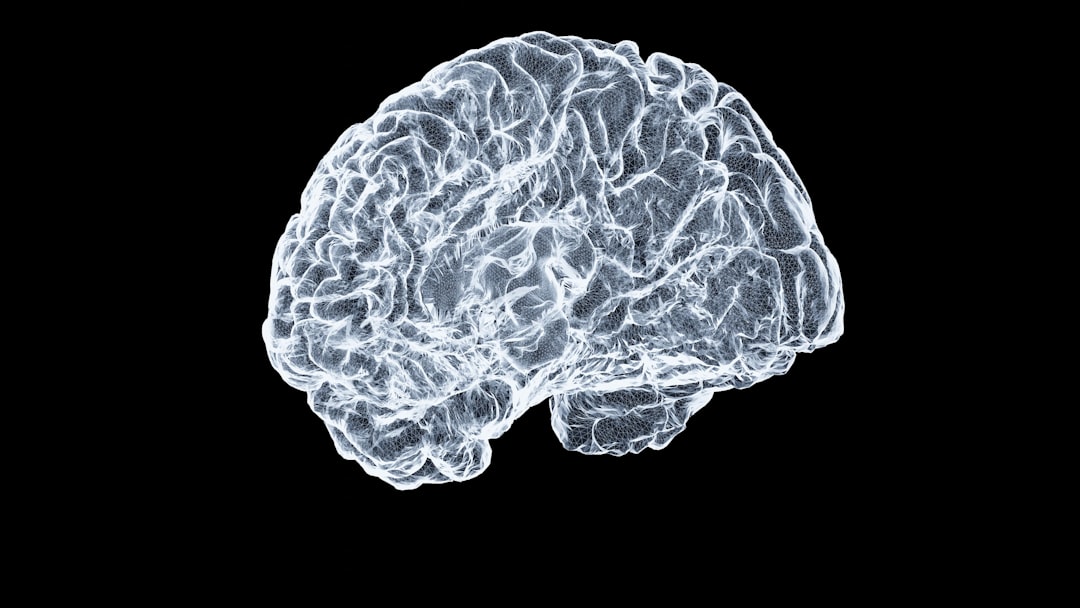
- BCG vaccine, commonly used to prevent tuberculosis, may also lower Alzheimer’s disease risk by rewiring brain immunity.
- Researchers at Mass General Brigham found that BCG vaccination remodels the brain’s immune system, offering a biological explanation for reduced Alzheimer’s risk.
- The BCG vaccine’s effects on brain immunity may lead to new approaches in preventing and treating Alzheimer’s disease.
- BCG vaccination can induce significant changes in the brain’s immune environment lasting up to 12 months.
- This groundbreaking discovery may provide a long-term solution for reducing Alzheimer’s disease risk.
Researchers at Mass General Brigham have made a groundbreaking discovery that the Bacillus Calmette-Guérin (BCG) vaccine, commonly used to prevent tuberculosis, may also rewire the human brain’s immune environment, potentially lowering the risk of Alzheimer’s disease. The study, published in Communications Medicine, suggests that BCG vaccination can remodel the brain’s immune system, offering a biological explanation for the previously observed associations between BCG vaccination and reduced Alzheimer’s risk. This finding is significant, as it may lead to new approaches in preventing and treating Alzheimer’s disease, which currently affects millions of people worldwide.
The Science Behind BCG Vaccination

The BCG vaccine has been used for decades to prevent tuberculosis, a bacterial infection that primarily affects the lungs. However, recent studies have suggested that BCG vaccination may also have a positive effect on the immune system, potentially reducing the risk of other diseases, including Alzheimer’s. The new research led by Mass General Brigham investigators found that BCG vaccination can induce significant changes in the brain’s immune environment, including changes in the levels of certain immune cells and the expression of specific genes involved in the immune response. According to the study, these changes can last for up to 12 months after vaccination, suggesting a long-term impact on brain immunity.
Key Players and Their Roles

The study was led by researchers at Mass General Brigham, a prominent medical research institution in the United States. The team used a combination of experimental and computational approaches to investigate the effects of BCG vaccination on the brain’s immune environment. The researchers analyzed blood samples from individuals who had received the BCG vaccine, as well as those who had not, to identify changes in immune cell populations and gene expression. The study’s findings were published in Communications Medicine, a peer-reviewed journal that publishes high-impact research in the field of medicine. For more information on the study, visit the Medical Xpress website.
Trade-Offs and Implications

While the study’s findings are promising, there are also potential trade-offs and implications to consider. For example, the BCG vaccine is not currently approved for the prevention or treatment of Alzheimer’s disease, and more research is needed to fully understand its effects on the brain’s immune environment. Additionally, the vaccine may have potential side effects, such as skin reactions or allergic responses, which must be carefully weighed against its potential benefits. However, if the BCG vaccine is found to be effective in reducing Alzheimer’s risk, it could have significant implications for public health, particularly in regions where tuberculosis is common and access to healthcare is limited.
Timing and Future Directions

The study’s findings come at a critical time, as the world is facing a growing Alzheimer’s disease epidemic. With the global population aging rapidly, the number of people affected by Alzheimer’s is expected to rise significantly in the coming decades, posing a major challenge to healthcare systems and economies. The discovery that the BCG vaccine may have a positive effect on brain immunity could lead to new approaches in preventing and treating Alzheimer’s, and may also have implications for the development of other vaccines and therapies. As noted by the Centers for Disease Control and Prevention (CDC), tuberculosis is a significant public health concern, and the use of the BCG vaccine could have a major impact on reducing the burden of this disease.
Where We Go From Here
Looking ahead, there are several possible scenarios for the next 6-12 months. One scenario is that the BCG vaccine will be further investigated as a potential therapeutic agent for Alzheimer’s disease, with larger clinical trials conducted to confirm its efficacy and safety. Another scenario is that the vaccine will be used in combination with other therapies, such as medications or lifestyle interventions, to enhance its potential benefits. A third scenario is that the discovery of the BCG vaccine’s effects on brain immunity will lead to the development of new vaccines or therapies that target specific aspects of the immune system, potentially leading to even more effective treatments for Alzheimer’s and other diseases.
In conclusion, the discovery that the BCG vaccine may rewire brain immunity and shift Alzheimer’s markers over 12 months is a significant finding that has major implications for public health. While more research is needed to fully understand the effects of the BCG vaccine, the study’s findings offer new hope for the prevention and treatment of Alzheimer’s disease, and highlight the importance of continued investment in medical research and development.
Source: MedicalXpress